The wet vs dry electric shaving question has more to it than most grooming guides admit. Both methods work and both have real upsides but they are not the same experience. Pick the wrong one for your skin, your beard or your morning routine and you end up with needless irritation, an uncomfortable shave or a process that drags on twice as long as it should.
This guide covers everything worth knowing about wet vs dry electric shaving. It explains how each method works, lays out the pros and cons side by side, shows which skin and beard types suit each, walks through how to shave both ways and points you to the shavers that handle both best. By the end you will know exactly whether you should shave wet or dry.
Wet or Dry Electric Shaving: The Short Answer
If you only want the quick verdict, here it is. There is no single winner. Wet electric shaving is better for sensitive or dry skin, coarse beards, and anyone who gets razor burn, because the gel and water cut down friction and soften the hair. Dry electric shaving is better for normal or oily skin and daily shavers who want speed, convenience and a routine that works anywhere. Most premium shavers do both, so many men shave dry on busy weekdays and wet at the weekend. The rest of this guide helps you match the method to yourself.
What Is Dry Electric Shaving?
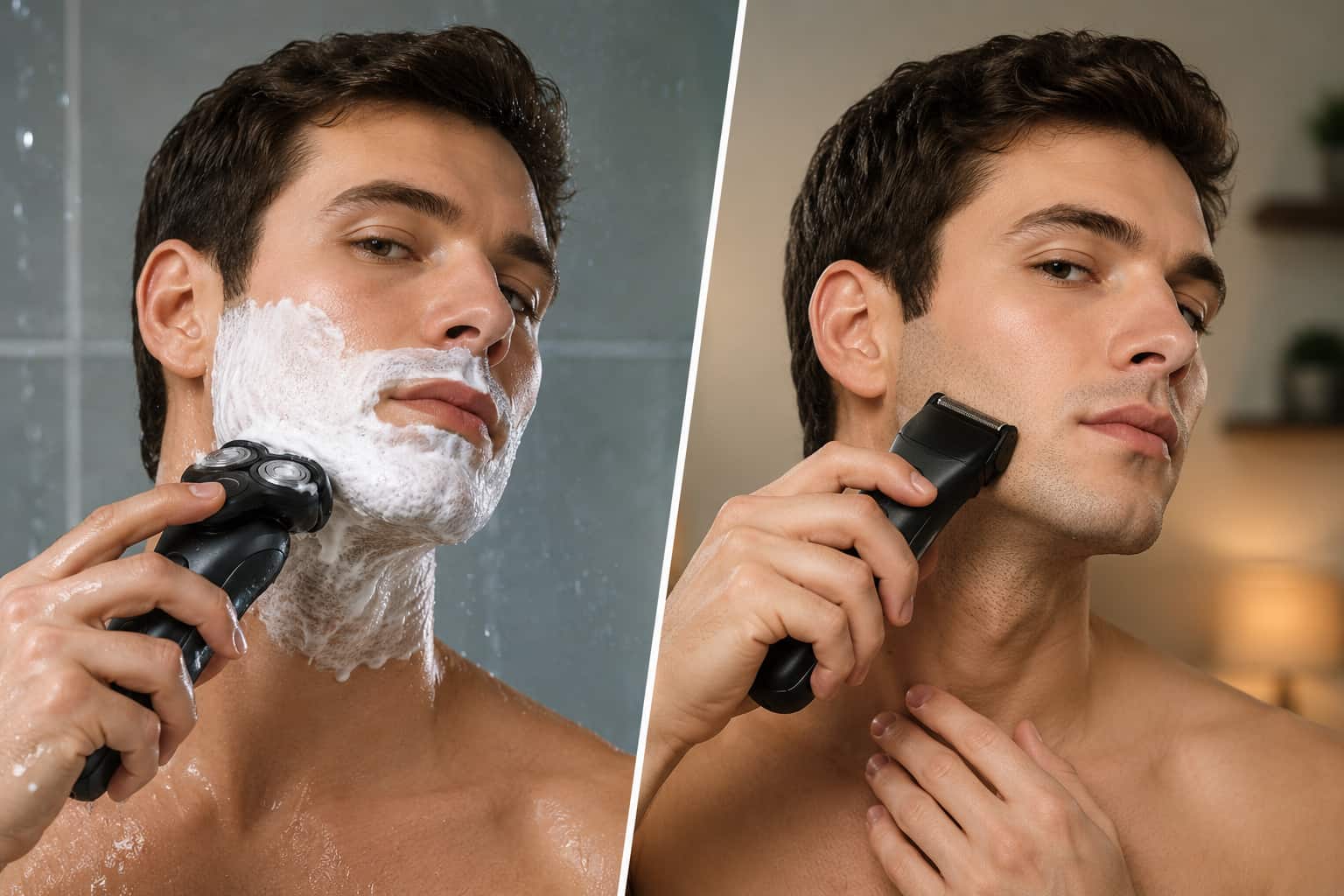
Dry electric shaving means running your electric shaver over bare, unprepared skin with no water, gel or foam. You pick the shaver up, move it across your face and you are finished. It is the method most people picture when they think of an electric razor.
The whole thing is fast and clean, with no prep and no cleanup beyond rinsing or brushing the head. For most men who shave daily and have normal to oily skin, dry shaving is the default and with a good shaver on short stubble it works well.
What Is Wet Electric Shaving?
Wet electric shaving means using a waterproof electric shaver together with water, shaving gel, or foam applied to the face first. The shaver has to be rated waterproof, usually IPX7 or higher, to be safe in wet conditions.
You can do it at the sink with running water and gel, or entirely in the shower. Plenty of men switch to wet electric shaving specifically to calm irritation and the jump in post shave comfort is often obvious even with the exact same shaver they used dry.
What Is a Wet and Dry Electric Shaver?
A wet and dry electric shaver is simply one that is sealed and waterproof enough to be used both ways: dry on bare skin, or wet with water and gel in the sink or shower. In practice this means an IPX7 rating or higher. Almost every mid range and premium shaver from Braun, Panasonic, and Philips Norelco is a wet and dry shaver, which is what gives you the freedom to switch methods whenever you like.
Wet vs Dry Electric Shaving: Head-to-Head Comparison
| Factor | Wet Electric Shaving | Dry Electric Shaving |
| Closeness | Slightly closer on most beard types | Very good, close enough for most men |
| Skin Comfort | Much better for sensitive skin | Fine for normal skin |
| Speed | Slower, needs prep and cleanup | Fastest, no setup |
| Convenience | Needs a waterproof shaver and gel | Works anywhere, anytime |
| Best For | Sensitive skin, coarse beards, infrequent shavers | Daily shavers, normal skin, travel |
| Shaver Needed | IPX7 waterproof shaver only | Any electric shaver |
| Irritation Risk | Lower | Higher on sensitive skin |
| Cleanup | More involved | Quick rinse or brush |
| Extra Cost | Ongoing gel cost | None |
| Shower Compatible | Yes | No |
Pros and Cons of Wet Electric Shaving
Pros of Wet Electric Shaving
The biggest win is less friction. Gel or foam lays down a slippery layer between the head and your skin, which cuts the friction behind razor burn, redness and that tight feeling afterward. For men who get irritation every time they shave dry, going wet often clears it up completely. Water also softens the hair shaft a little, so the blades meet less resistance, cut more cleanly, and need fewer passes. That combination makes wet the clear pick for sensitive, reactive or easily irritated skin and our guide to the best electric shavers for sensitive skin covers the models built for it. Coarse beards benefit too, since softened hair gives way more easily for a closer result and the whole thing can happen in the shower to save time overall.
Cons of Wet Electric Shaving
The catch is that you need a genuinely waterproof shaver because using a non waterproof one with water or gel can wreck the motor and void the warranty, so you must confirm an IPX7 rating first. There is also a small ongoing cost for gel or foam that dry shaving avoids. Cleanup takes a bit longer, since gel residue has to be rinsed out of the head after every shave and it is less travel friendly because gel adds bulk and runs into carry on liquid limits.
Pros and Cons of Dry Electric Shaving
Pros of Dry Electric Shaving
Dry shaving is all about speed and freedom. There is zero prep: wake up, grab the shaver, shave, move on, with no gel, no water and no waiting. It also works anywhere, in the car, at your desk, or in a hotel room with nothing to unpack, which is the main reason most daily users stick with it. Beyond the shaver and the odd blade replacement it costs nothing extra and cleanup is a quick tap or brush of the head that takes seconds.
Cons of Dry Electric Shaving
Without any lubrication the head rubs directly against the skin, so irritation risk is higher for sensitive, reactive, or dry skin, which is exactly what wet shaving softens. It is also less effective on coarse beards with no prep, because dry wiry hair fights the blades harder, runs the motor hotter and usually needs more passes and men moving from a manual razor to a dry electric shaver often go through a two to four week skin adjustment period where irritation runs higher than normal before it settles. Our guide to the best electric shavers for thick and coarse beards explains how to get the most from coarse hair.
Which Is Better for Your Skin Type?
Sensitive or reactive skin: Wet wins clearly. The gel plus softened hair takes away the friction that sets sensitive skin off, so if you get razor burn or tightness shaving dry, switching to wet is the single most effective change you can make before buying anything new.
Normal skin: Either is fine. With a good shaver most men will not feel a dramatic gap. Dry is faster, wet is a touch more comfortable, so choose on routine.
Oily skin: Dry is fine. Oily skin has natural lubrication that partly stands in for gel, so these men usually get less irritation from dry shaving than dry or sensitive types do.
Dry skin: Wet is the better call. Dry skin has a weaker moisture barrier that shaving strips further and a layer of gel adds protection that cuts down post shave dryness and tightness.
Which Is Better for Your Beard Type?
Fine or medium beard: Dry is plenty. This hair cuts cleanly with a good shaver even without softening, so dry shaving has no real disadvantage here.
Thick or coarse beard: Wet is noticeably better. Softening coarse hair with warm water and gel drops the cutting resistance enough to matter on the first pass and fewer passes means less friction, less heat and a more comfortable finish.
Multi-day stubble (2 to 4 days): Wet handles longer growth better, because water and gel soften those longer hairs and cut down the tugging that dry shaving tends to cause past a day or two.
Daily stubble: Dry is efficient and enough. Day old stubble is short enough that softening adds little, so the speed of dry shaving is worth more than the small comfort gain from prep.
Can Electric Razors Get Wet? Can You Wet Shave with an Electric Razor?
Only some of them. This is the point men most often miss. You can wet shave, rinse or shower with an electric razor only if it is rated IPX7 or higher. Taking a non waterproof shaver under water, or putting gel on the motor housing, can permanently damage the internals and create an electrical hazard. So the honest answer to “can electric razors get wet” is: yes but only the waterproof ones.
Before you wet shave, check the box or manual for the IPX rating:
- IPX4: splash resistant only, not safe for wet shaving or the shower
- IPX5: water jet resistant, borderline, not for submersion
- IPX7: fully waterproof to 1 meter for 30 minutes, safe for wet shaving and shower use
- IPX8: waterproof beyond IPX7, safe in all wet conditions
Nearly all mid range and premium shavers from Braun, Panasonic, and Philips Norelco are IPX7 or higher. Budget models vary, so always verify before you add water.
How to Wet Shave with an Electric Shaver
Wet shaving gives its best result with the right technique. Follow these steps.
- Confirm your shaver is IPX7 rated, so it is safe to use with water and gel.
- Wet your face with warm water first to start softening the hair.
- Apply a thin, even layer of shaving gel rather than foam. Gel gives denser lubrication and does not dry out as fast during the shave.
- Do not over apply. A thin coat works better than a thick one, since excess gel clogs the head and forces more rinsing.
- Shave in the shower when you can, because the steam keeps skin and hair soft through the whole session.
- Rinse the head under running water every 30 to 45 seconds to clear gel and hair and keep it cutting well.
- Rinse the head thoroughly when you finish, remove the foil cassette or rotary heads, and let everything air dry before storing. Our guide on how to clean and maintain your electric shaver covers the full routine.
How to Dry Shave with an Electric Razor
Dry shaving is at its best when your skin and technique suit the method.
- Shave before showering, not after. Dry shaving works best on dry skin and showering first dampens the skin and softens hair so the foil struggles to catch it cleanly.
- Wait at least 20 minutes after waking. Skin is slightly puffy first thing due to overnight fluid and giving it time lets hairs stand more upright for a cleaner cut.
- Use a pre shave product. Dry pre shave powders, lotions or sprays reduce friction and stand the hairs up, which helps a lot if dry shaving usually irritates you.
- Keep the blades sharp. Dry shaving leans entirely on blade sharpness since there is no gel to compensate, so replace foils and blades every 12 to 18 months without fail.
- Clean after every use, because hair and skin debris build up fast in dry conditions and drag down cutting performance quickly.
Best Wet and Dry Electric Shavers
These models handle both wet and dry shaving exceptionally well. For full reviews of each, see our complete guide to the best electric shavers for men.
Braun Series 9 Pro+
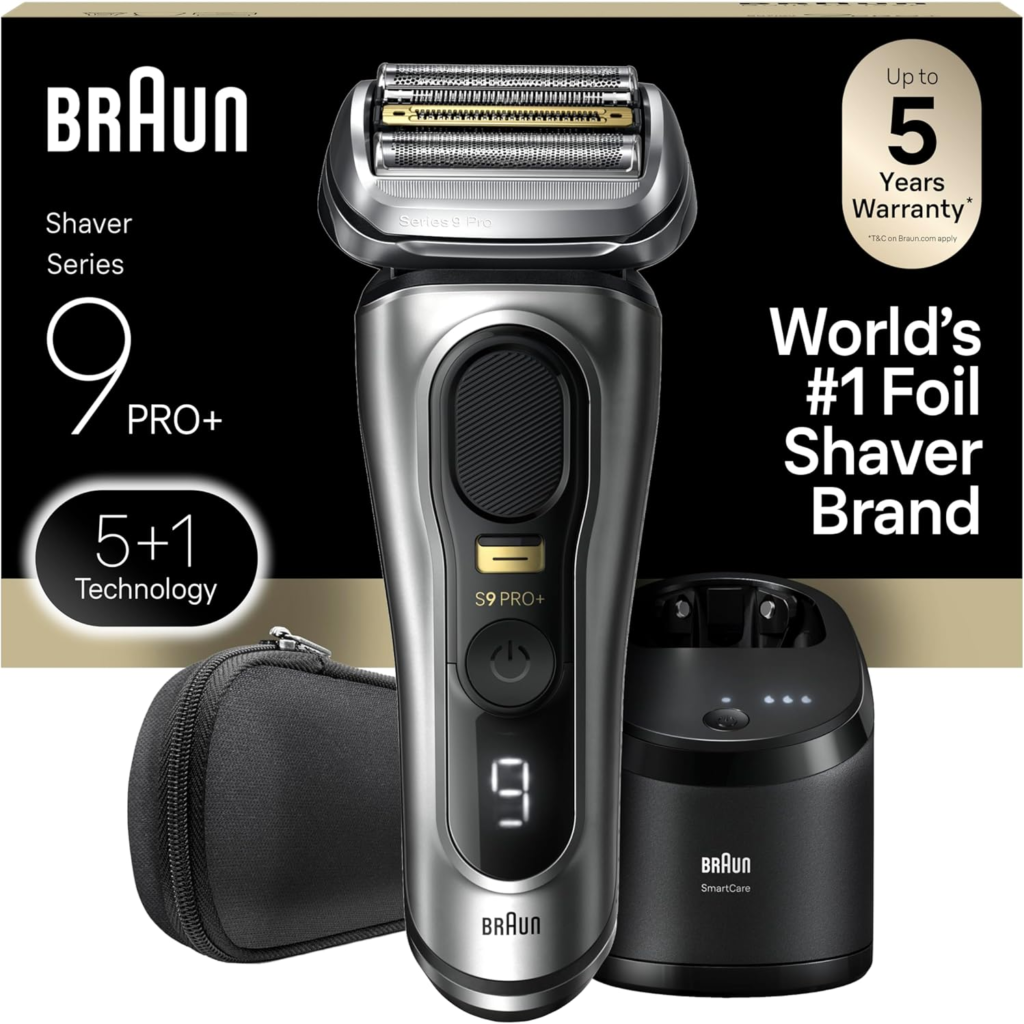
The gold standard for wet and dry performance. The HyperGlide foil stays comfortable either way, and the five cutting elements handle any beard type in wet or dry conditions.
👉 Check Latest Price on Amazon
Panasonic Arc5 ES-LV97
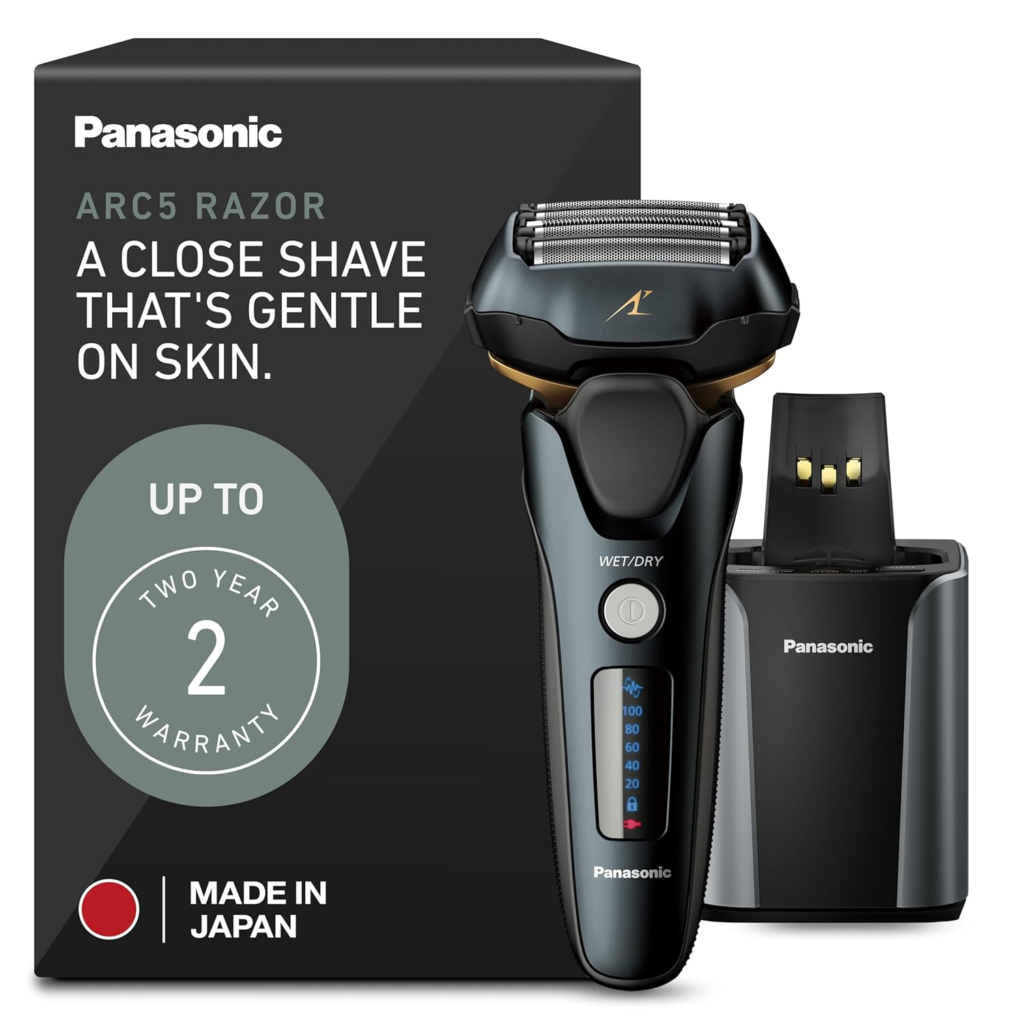
The best wet shaver for coarse beards. A 14,000 CPM motor paired with wet softened hair gives about the cleanest single pass shave a heavy beard can get.
👉 Check Latest Price on Amazon
Braun Series 7
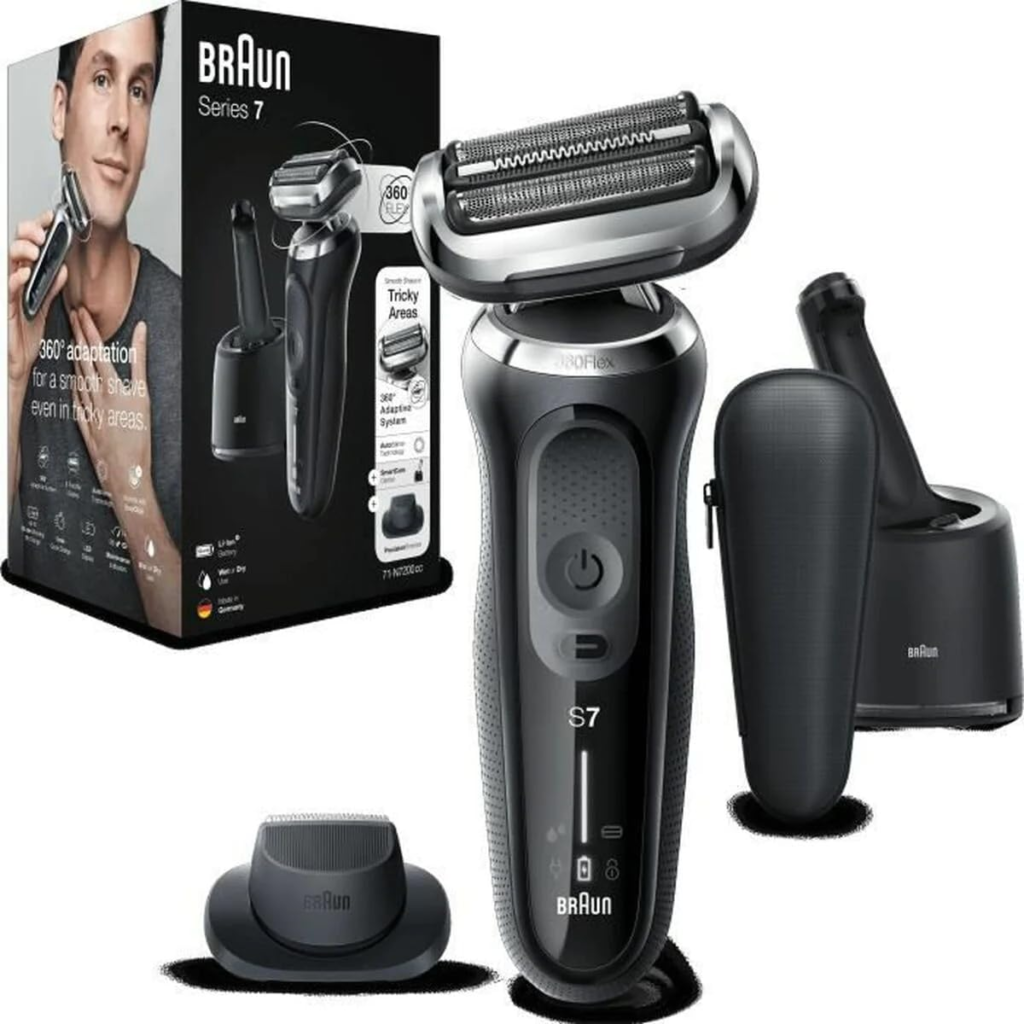
The best mid range wet and dry shaver. The AutoSense motor adjusts itself to wet or dry beard conditions automatically, and it comes with a Clean and Charge station.
👉 Check Latest Price on Amazon
Philips Norelco 9000 Prestige
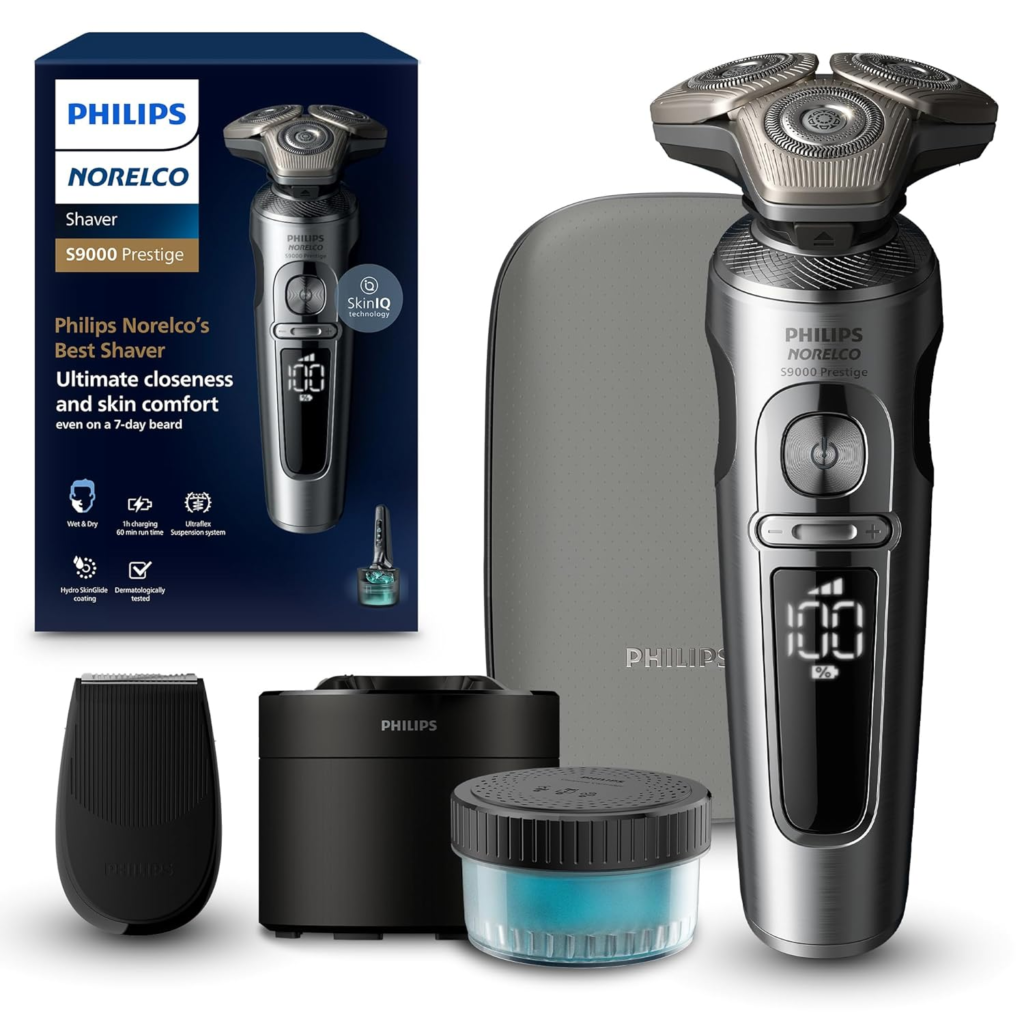
The best wet rotary shaver. Its nano skin friendly coating performs especially well in wet conditions and it charges over USB-C.
👉 Check Latest Price on Amazon
Who Should Shave Wet and Who Should Shave Dry?
Shave wet if you:
- Have sensitive, reactive or dry skin
- Get razor burn or irritation when shaving dry
- Have a thick, coarse or fast growing beard
- Shave every two to four days rather than daily
- Prefer shaving in the shower
Shave dry if you:
- Have normal or oily skin with no irritation issues
- Shave every day on short stubble
- Value speed and convenience above all
- Travel often and want a no fuss routine
- Have a shaver that is not rated waterproof
Whichever way you go, the shaver matters as much as the technique, so it is worth checking current prices on a good wet and dry model before you decide.
Conclusion
The wet vs dry electric shaving question has no universal winner. It has a winner for each skin type and situation. Wet shaving gives better skin comfort, a closer result on coarse beards, and lower irritation risk. Dry shaving wins on speed, convenience and simplicity for daily shavers with normal skin.
Because most modern premium shavers do both, you can shave wet at the weekend and dry on weekday mornings. Start with your skin type and beard type, match the method to your needs and adjust from there. If you are still choosing a shaver, our electric shaver buying guide walks through every feature worth checking and our guide to the best electric shavers for men covers top picks at every price.
Amazon Affiliate Disclaimer
This post contains affiliate links. If you buy through one of them, we may earn a small commission at no extra cost to you.
FAQs
Q1: Is wet or dry electric shaving better?
It depends on your skin and beard. Wet is better for sensitive skin, coarse beards and men who shave less often. Dry is better for daily shavers with normal skin who want speed and convenience. Most premium shavers do both, so you can switch as needed.
Q2: What are the pros and cons of wet vs dry electric shaving?
Wet shaving reduces friction and irritation, softens hair, and shaves coarse beards closer, but it needs a waterproof shaver, gel, and more cleanup. Dry shaving is fast, cheap and works anywhere but it can irritate sensitive skin and struggles more on coarse beards.
Q3: Can electric razors get wet?
Only if they are rated IPX7 or higher. Waterproof shavers can be used with water, rinsed and taken in the shower. A non waterproof shaver should never get wet, as water can ruin the motor and create a safety risk.
Q4: Can I use shaving gel with an electric shaver?
Yes, but only with a waterproof shaver rated IPX7 or higher. Gel gives denser lubrication than foam and is the better choice for wet electric shaving. Using gel on a non waterproof shaver can damage it.
Q5: Can I use my electric shaver in the shower?
Only if it is IPX7 waterproof or higher. Check the box or manual for the rating first. Most mid range and premium shavers from Braun, Panasonic, and Philips Norelco are fully waterproof and safe for the shower.
Q6: Does wet electric shaving give a closer shave than dry?
Usually yes, especially on coarse or thick beards. Water and gel soften the hair and lower cutting resistance, so the blades cut more cleanly. The difference shows most on multi day stubble and dense beards.
Q7: Is dry electric shaving bad for sensitive skin?
Not necessarily, but it carries a higher irritation risk than wet shaving. Without lubrication the head rubs directly on the skin. Sensitive skin shavers can reduce irritation with a pre shave product, sharp blades and light pressure.
Q8: How do I clean my electric shaver after wet shaving?
Rinse the head under running water right after use to clear gel and hair. If it has an auto cleaning station, run a cycle. For manual cleaning, remove the foil cassette or rotary heads, rinse each part and let everything air dry before storing.
Q9: How long does wet electric shaving take compared to dry?
Wet shaving usually adds two to four minutes: a minute or two for gel and a minute or two for rinsing afterward. The shaving itself takes about the same time as dry. For most men that trade is worth it if skin comfort improves.