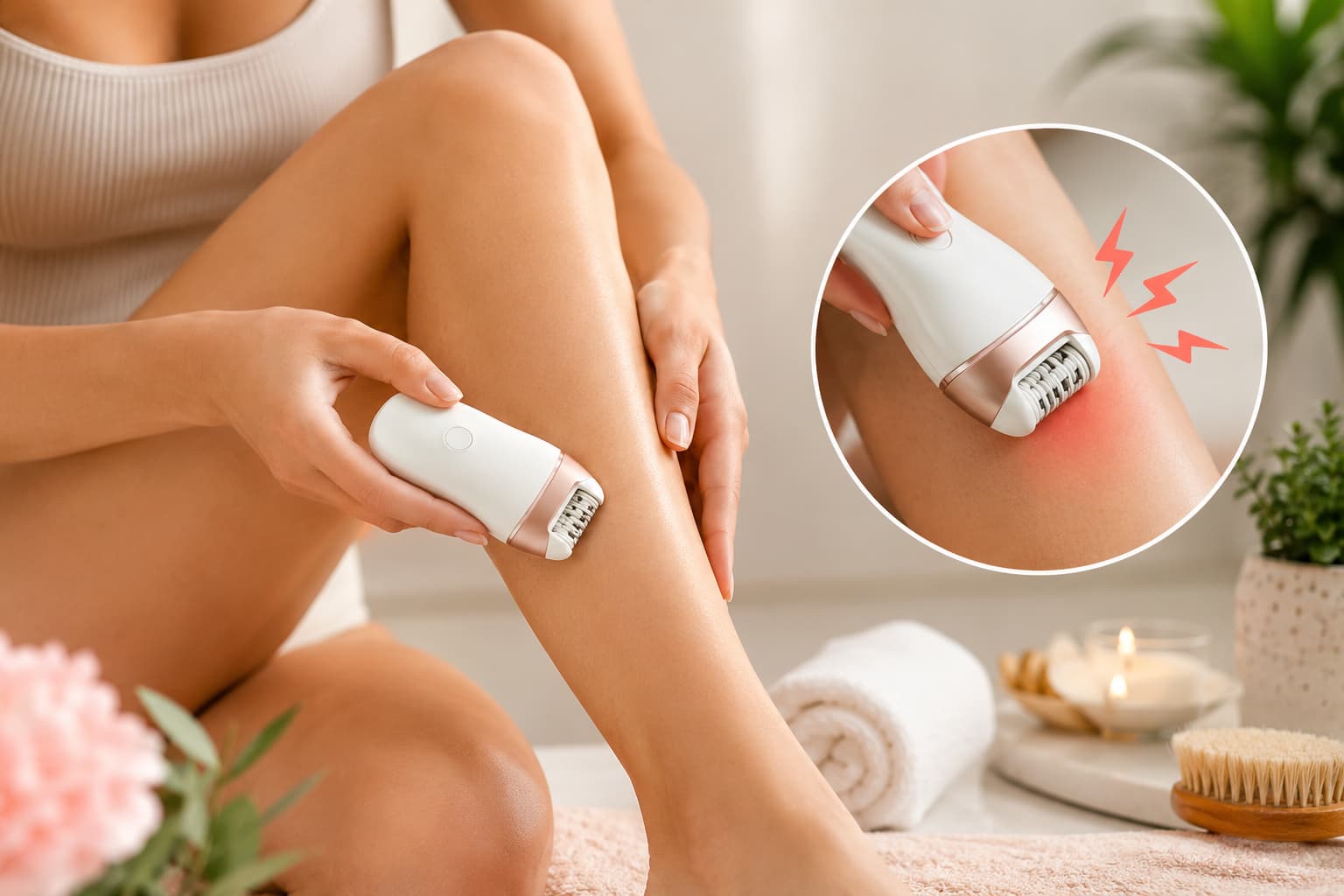
Yes, epilating can hurt, especially the first few times. An epilator removes hair from the root using tiny rotating tweezers, so the sensation is stronger than shaving and most beginners describe it as a series of quick pinches across the skin. The reassuring part is that epilation usually gets easier with practice, as your skin adjusts, your technique improves and each maintenance session removes less hair than the first. How much it hurts also depends on the body area, hair thickness, device quality, skin sensitivity and how well you prepare beforehand.
If you are about to buy your first epilator, do not expect it to feel painless. A better goal is to make it manageable and that is very achievable. With the right device, warm water, gentle exfoliation, slow movement, taut skin and proper aftercare, epilation becomes a practical long term routine. This guide explains what the pain actually feels like, which areas hurt most and above all how to make epilating hurt less.
Quick Answer: How Painful Is Epilating?
For most beginners, epilating feels moderately painful. Legs are usually the easiest area, while underarms, the bikini line and the upper lip feel much more sensitive.
| Body Area | Pain Level for Beginners | Notes |
| Lower legs | 4 out of 10 | Usually the easiest area to start |
| Thighs | 5 out of 10 | Can feel more sensitive than lower legs |
| Arms | 4 out of 10 | Fine hair may hurt less |
| Underarms | 7 out of 10 | Soft, sensitive skin |
| Bikini line | 8 out of 10 | Not ideal for a first session |
| Face | 6 to 8 out of 10 | Use only facial epilators |
| Chest or stomach | 6 out of 10 | Depends on hair thickness |
| Ankles and knees | 6 out of 10 | Bony areas can feel sharper |
Pain is not the same for everyone. Someone with fine leg hair may find it easy, while someone with coarse hair and sensitive skin may find it intense.
Why Does Epilating Hurt?
Epilating hurts because the device pulls each hair out from the root. Shaving only cuts hair at the surface, so it never creates that pulling sensation, and while waxing also removes hair from the root, waxing pain comes in quick strips whereas epilation feels more continuous because the device removes hair as it moves. The American Academy of Dermatology groups plucking and waxing as root removal methods whose results last longer than shaving and epilation works the same way, which is exactly why the smoothness lasts longer but the process feels more uncomfortable.
The pain is stronger when the hair is long, thick or coarse, when the skin is dry or not held taut, when you move the epilator too fast or press too hard, when you use a dry only device where wet use would feel easier, when you start on sensitive areas or when you go over the same spot too many times.
Does Epilating Hurt More on Longer Hair?
Yes. Longer hair hurts more, because a longer strand gives the tweezers more to grip and pull, and it is also more likely to tangle and drag against the skin. This is one of the easiest pain triggers to remove: trim longer hair down before you epilate so the device grips each hair cleanly at the ideal short length. Most epilators work best on hair that is short enough to be caught in one clean pull, so trimming first is one of the simplest ways to reduce the pulling sensation.
Does the First Session Hurt More?
Yes, the first session usually hurts the most, for two reasons. You are removing more hair at once than in any later session, and the roots have never been removed this way before. After a few sessions, most people find it easier, partly because they get better at holding the skin taut and moving the device correctly, and partly because hair grows in cycles, so later sessions remove less hair at a time. Do not judge epilation by your first five minutes, since the first session is usually the hardest part of the whole learning curve.
Which Body Areas Hurt Most?
Legs are usually the best place to start, since the skin is easy to stretch, the area is large and the pain is easier to manage than the underarms or bikini line, with lower legs generally easier than thighs and the ankles and knees feeling sharper because the skin sits close to bone.
Arms are often manageable, especially with fine hair, though you should move slowly since fine arm hair can lie flat, and a built-in light helps you spot missed hairs.
Underarms can hurt a lot because the skin is soft, loose and sensitive, and the hair grows in several directions, so if you epilate here, trim first, hold the skin tight and use a sensitive cap if your device has one.
The bikini line is one of the most painful areas for beginners, so it is better to build experience on the legs first, and if you do try it, use a suitable attachment, trim long hair and test a small area. For anyone searching how to epilate the bikini line without pain, the honest answer is that you cannot make it painless, but trimming, taut skin, a warm shower first and going slowly on the lowest speed make it far more bearable.
The face can sting, especially the upper lip, so use only a device made for facial hair and never a large body epilator on delicate facial skin unless the manual clearly says it is safe.
How to Make Epilating Hurt Less
These are the changes that make the biggest difference to comfort and they are the answer to the most common question beginners ask.
Choose the Right Epilator
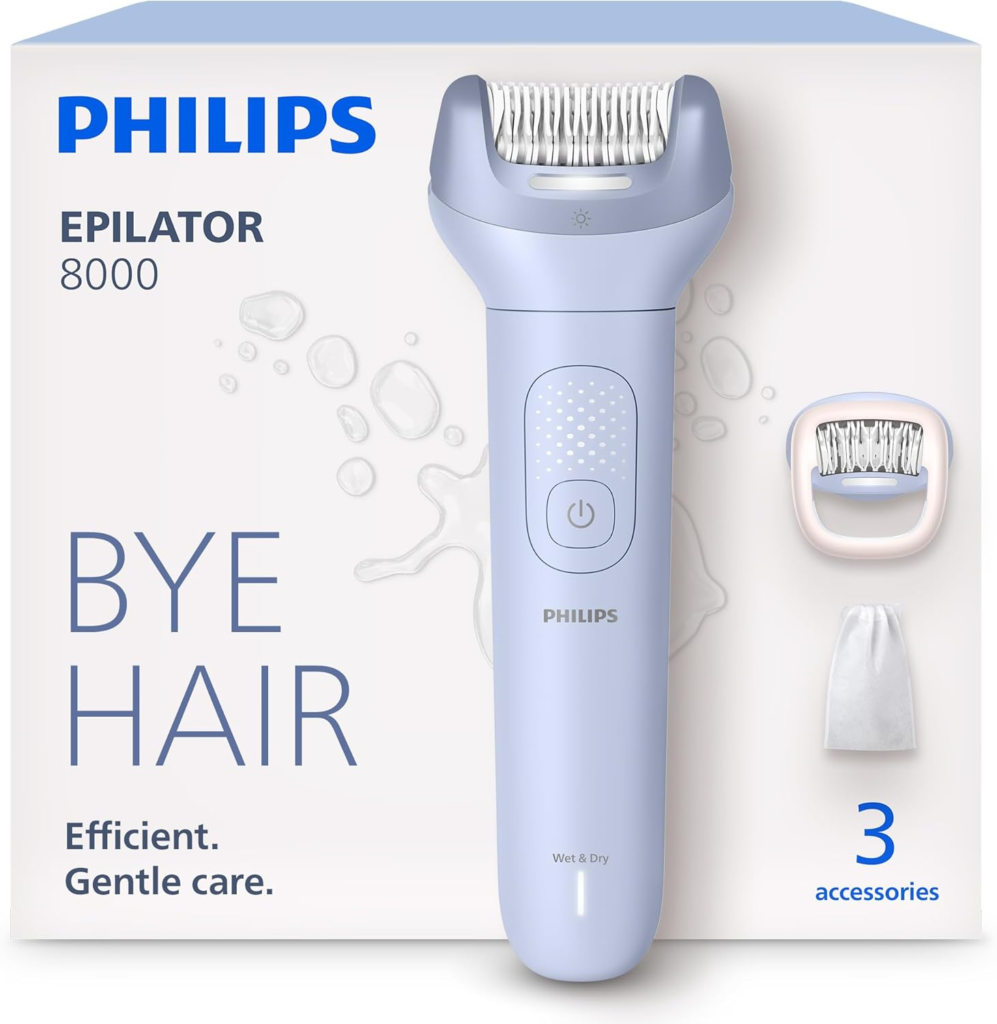
The device matters, so if your skin is sensitive, do not pick the strongest model just because it has more tweezers. Look for wet and dry use, a massage cap, a gentle speed setting, a skin contact cap, a good grip and easy cleaning. A beginner friendly model makes the learning curve much easier and for reactive skin our guide to the best epilators for sensitive skin covers the most comfortable options.
Start With Your Legs
Do not begin on the underarms, bikini line, or face. Start with the lower legs, where the pain is easiest to control and only move to other areas once you know how the sensation feels.
Trim Long Hair First
Because longer hair hurts more, trim it before you epilate so the device grips each hair cleanly rather than tugging.
Take a Warm Shower First
Warm water softens the skin and makes epilation feel easier and Braun suggests a warm shower or bath beforehand as one way to reduce the discomfort. If your epilator is wet and dry, you can also use it in the shower, which many beginners find more comfortable even if it takes a little longer.
Exfoliate Gently Beforehand
Gentle exfoliation clears dead skin cells and lowers the chance of hair being trapped under the surface but do not scrub hard right before epilating, since already irritated skin hurts more. A good routine is to exfoliate lightly the day before, then epilate on clean skin.
Hold the Skin Taut
This is one of the most important pain reducing steps, since loose skin lets the device pull the skin along with the hair. Use your free hand to stretch the skin gently, which helps the epilator catch hair more cleanly.
Use the Correct Angle
Most epilators work best held at roughly a right angle to the skin and Philips recommends moving slowly with the device at about 90 degrees to help reduce both pain and ingrown hairs. Do not press it hard into the skin and let the tweezers do the work.
Move Slowly
Moving too fast makes the device miss hairs, which tempts you to go over the same area again and increase redness. Slow movement gives the tweezers time to grip properly, so it takes a little longer but feels more comfortable overall.
Use the Lowest Speed First
If your epilator has speed settings, start on the lowest, which feels less intense for beginners and move up to a higher setting on larger areas like the legs once your skin has adjusted.
Epilate at Night
Epilating at night gives any redness time to settle while you sleep, which is useful before wearing a dress, shorts or anything sleeveless.
Do Not Epilate Irritated Skin
Avoid epilation on skin that is sunburned, scratched, rashy or already irritated. The Canadian Dermatology Association advises against waxing on irritated, sunburned or broken skin and the same caution applies to epilation, since the skin is already stressed.
Soothe the Skin Afterward
Once the skin calms, apply a gentle fragrance free moisturizer and avoid perfume, deodorant, strong acids, retinoids or harsh scrubs right after epilating.
A Beginner Routine to Reduce Epilator Pain
Before epilating, charge a cordless device, clean the head, trim long hair, exfoliate gently the day before, take a warm shower, dry the skin well if using dry mode, choose the lowest speed and start with the lower legs.
During epilation, hold the skin taut, keep the device at the correct angle, move slowly against the direction of hair growth if your manual allows it, avoid pressing hard, pause when you need to and do not repeat the same spot too many times.
After epilating, clean the head, rinse the skin gently if needed, apply a gentle moisturizer once the redness settles, wear loose clothing, avoid heavy exercise for a few hours, skip deodorant on freshly epilated underarms and do not exfoliate immediately.
How Long Does Epilator Pain Last?
The sharp pinching stops the moment you stop using the device. Afterward the skin may feel warm, red, or tender for a few hours and beginners often notice more redness after the first session. If redness, swelling, burning or pain lasts longer than expected, stop epilating that area and treat the skin gently and if it looks infected or does not improve, it is worth speaking with a dermatologist.
Side Effects to Expect (and What Is Normal)
The common, normal side effects are short lived redness, mild tenderness and occasional small bumps as the follicles react to root removal, all of which usually settle within a few hours to a day. Ingrown hairs are the other common side effect, which regular gentle exfoliation and moisturizing help prevent. What is not normal is persistent swelling, spreading redness, pus or pain that lingers well beyond a day, which are signs to pause hair removal on that area and seek medical advice if they do not clear.
Is Wet Epilation Less Painful?
Wet epilation feels less painful for many beginners, since warm water relaxes the skin and makes the process feel smoother. The trade off is that wet hair is harder to see, so the session can take longer and dry epilation can be more efficient because the hair stands up better. If dry epilation feels too sharp, a wet and dry epilator is well worth considering.
Does Epilation Get Less Painful Over Time?
Yes, it often gets less painful with regular use, as your technique improves, each maintenance session removes less hair and your skin gets more used to the sensation. To keep it that way, do not leave long gaps between sessions because letting all the hair grow back fully makes the next session feel like starting over.
Can You Numb the Skin Before Epilating?
Some people consider numbing creams before epilation but this is not something to use casually without reading the product instructions, since numbing products can irritate the skin or cause problems if used incorrectly. For most beginners, the safer route is the simple set of methods above: a warm shower, short hair, slow movement, taut skin and a gentle device. If you have a medical condition, a skin disorder or unusual pain sensitivity, ask a healthcare professional before using any numbing product.
👉Check the Best Epilator Deals on Amazon
Epilator Pain vs Waxing
Epilator and waxing pain feel different. Waxing pain is sudden and sharp because the hair comes out in one strip, while epilator pain is more gradual because the device pulls hair continuously. If you dislike sudden pain, epilation may feel easier since you control the speed and can stop whenever you need, and if you dislike prolonged discomfort, waxing may feel easier since each pull is fast. Both remove hair from the root, so both can cause redness or ingrown hairs, and as the Cleveland Clinic notes, ingrown hairs can occur after shaving, tweezing or waxing when hair grows back into the skin, sometimes painfully or itchily.
Epilator Pain vs Shaving
Shaving is usually much less painful than epilation, since it cuts hair at the surface, but the results do not last as long and it can still cause razor burn, cuts, or ingrown hairs if done poorly. Epilation hurts more during the session but keeps skin smooth for longer, so if your priority is comfort, shaving may suit you better and if it is lasting smoothness, epilation is worth learning.
How to Avoid Ingrown Hairs After Epilation
Ingrown hairs are a common frustration for beginners, happening when hair grows back into the skin instead of out of the follicle. To reduce them, exfoliate gently between sessions, keep the skin moisturized, avoid tight clothing right after epilating, do not pick at bumps, keep the epilator clean, never epilate over irritated skin, move the device slowly and avoid too many passes over one area. If you get painful bumps, pus or worsening redness, pause hair removal and consider medical advice.
Common Beginner Mistakes That Make Epilation Hurt More
- Starting with the underarms or bikini line
- Epilating long hair without trimming first
- Pressing the device too hard
- Moving too fast
- Jumping straight to high speed
- Skipping exfoliation completely
- Epilating dry skin when wet use would feel easier
- Going over the same area too many times
- Using fragrance products right afterward
- Not cleaning the epilator after use
Should You Buy a Pain Reducing Epilator?
A pain reducing epilator is worth it if you are a beginner or have sensitive skin, so look for comfort features rather than just power. Helpful ones include wet and dry use, a massage roller cap, a sensitive area cap, a gentle speed setting, a flexible or pivoting head, a built-in light, easy cleaning and a comfortable handle. A basic epilator can work, but comfort features matter a lot while you are building the habit, so if you are nervous about pain, choose a wet and dry model with comfort caps and speed control.
👉See Pain Reducing Epilators on Amazon
Final Verdict: Does Epilating Hurt?
Yes, epilating hurts, especially at first, because the device removes hair from the root rather than cutting it at the surface. The pain is manageable for most people with the right routine: start with the legs, trim long hair, take a warm shower, hold the skin taut and move slowly, choosing a wet and dry epilator if comfort matters and leaving sensitive areas until you have built confidence. For most beginners the first session is the hardest and with patience and good technique epilation becomes much easier over time.
Amazon Affiliate Disclaimer
This post contains affiliate links. If you buy through one of them, we may earn a small commission at no extra cost to you.
FAQs
Does epilating hurt a lot?
It can hurt a lot during the first few sessions, especially on sensitive areas but it eases with practice. Legs are usually much easier than the underarms, bikini line or face.
How can I make epilating hurt less?
Trim long hair first, take a warm shower, exfoliate gently the day before, hold the skin taut, start on the lowest speed and move slowly. Using a wet and dry epilator in a warm bath is one of the most effective ways to reduce the pain.
Does epilating hurt more on longer hair?
Yes. Longer hair gives the tweezers more to pull and is more likely to tangle, so trimming it short before you epilate noticeably reduces the pulling sensation.
Is epilating more painful than waxing?
It depends on your pain tolerance. Waxing pain is quick and sharp, while epilator pain feels like repeated pinches that continue through the session, though you can control the speed and stop whenever you need.
Is wet epilation less painful?
For many beginners, yes, because warm water relaxes the skin and makes it feel smoother. It can take a little longer than dry epilation since wet hair is harder to see.
Does epilation get less painful over time?
Yes. Most people find it less painful with regular use, as technique improves, less hair is removed each session and the skin adjusts to the sensation.
What is the least painful area to epilate?
The lower legs, which is why beginners should start there. The underarms, bikini line, and upper lip are usually the most painful.
Can I use an epilator on sensitive skin?
Yes, but choose a gentle wet and dry epilator with comfort caps and start slowly and never epilate irritated or sunburned skin.
Why do I get red bumps after epilating?
Red bumps come from the follicle reacting to root removal and can also result from irritation, repeated passes or ingrown hairs. Gentle exfoliation and moisturizing between sessions help reduce them.
Should beginners epilate or shave first?
If comfort is the priority, shaving is easier to start with. If longer lasting smoothness is the goal, try epilating on the lower legs first, where it hurts the least.