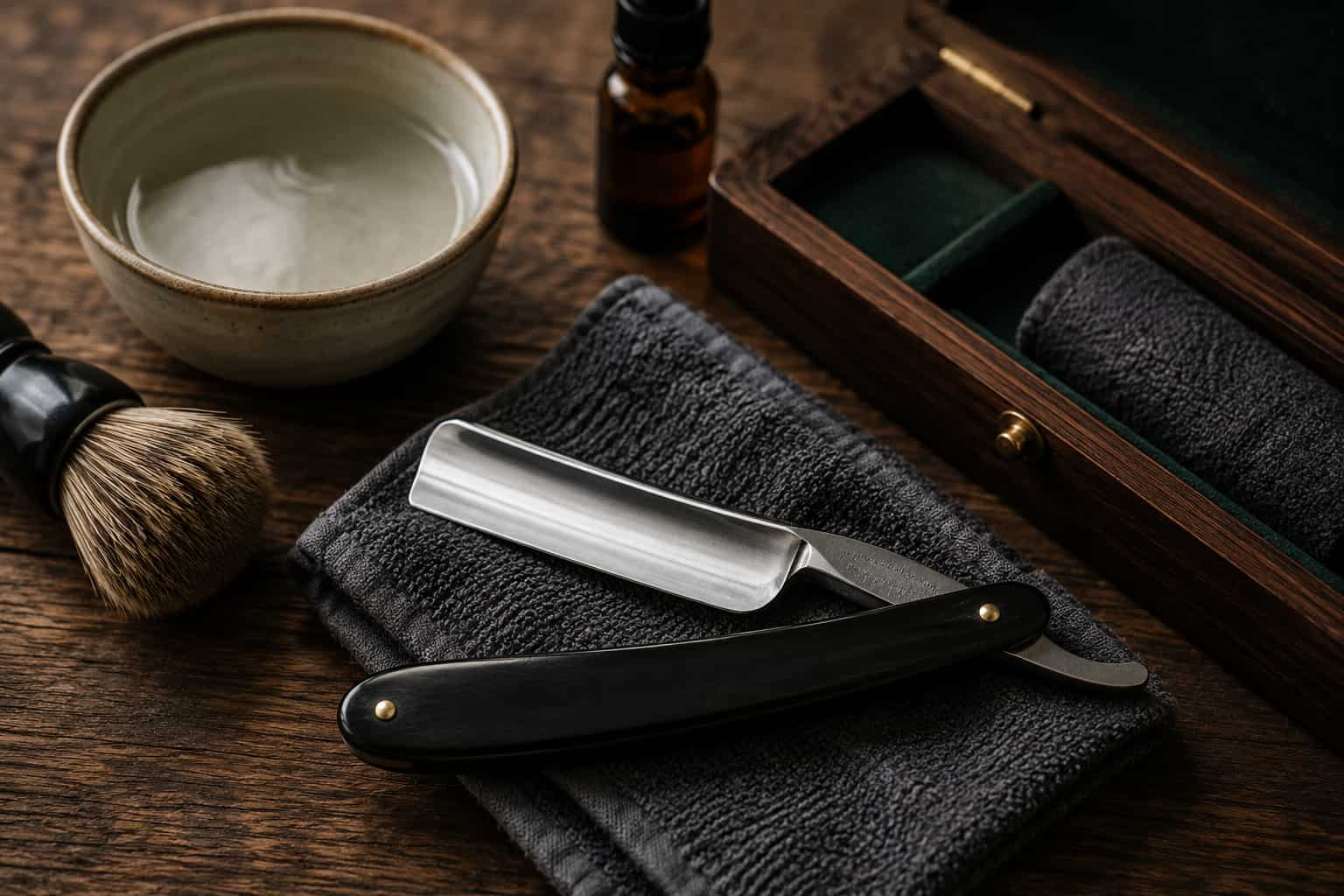
A straight razor can last for years but only if you take care of it properly. Unlike cartridge razors or disposable razors, a traditional straight razor has a fixed blade that needs regular cleaning, careful drying, stropping, safe storage plus occasional honing. If you ignore maintenance, the blade can rust, tug hair or feel rough on the skin. Straight razor maintenance is not difficult but it does need consistency. After every shave, you should remove lather, rinse the blade, dry it fully and store it in a dry place. If the razor is carbon steel, moisture control becomes even more important because carbon steel can rust faster than stainless steel.
This guide explains how to clean, dry and store a straight razor correctly. You will also learn how often to strop, when honing is needed, how to prevent rust, what mistakes beginners make plus which accessories make maintenance easier.
Quick Maintenance Summary
| Maintenance Step | How Often | Why It Matters |
| Rinse blade | After every shave | Removes lather and hair |
| Dry blade | After every shave | Helps prevent rust |
| Dry pivot area | After every shave | Stops hidden moisture buildup |
| Strop blade | Before shaving | Refreshes the edge |
| Inspect edge | Weekly or as needed | Finds chips, rust or roughness early |
| Oil blade | When storing long term | Adds moisture protection |
| Hone blade | Only when needed | Restores a dull edge |
| Store dry | Always | Protects blade and handle |
Why Straight Razor Maintenance Matters
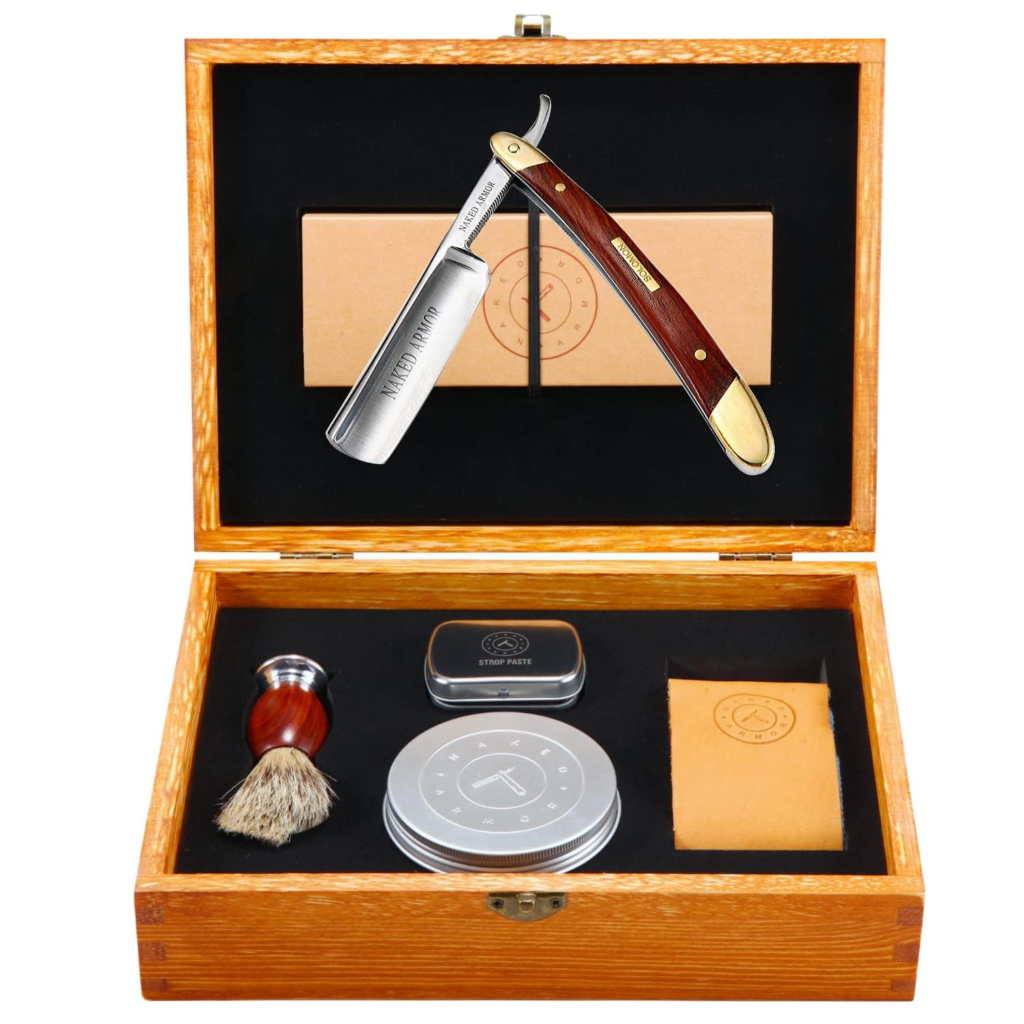
A straight razor edge is extremely thin. That thin edge gives a close shave, but it also needs care. Soap residue, moisture, skin oil and poor storage can all affect performance. Good maintenance helps with:
- Smoother shaving.
- Less tugging.
- Lower rust risk.
- Better edge life.
- Safer shaving.
- Longer razor lifespan.
- Better value from your purchase.
If you have invested in one of the best straight razors of 2026, maintenance protects that investment. A quality razor can become a long term grooming tool, but only if you keep the blade clean and dry.
Straight Razor Maintenance Tools You Need
You do not need a huge setup, but a few basic tools make care much easier.
| Tool | Purpose | Beginner Advice |
| Soft towel | Drying the blade | Use a clean lint free towel |
| Cotton swab | Drying pivot area | Useful after rinsing |
| Leather strop | Edge maintenance | Needed for traditional straight razors |
| Razor oil | Rust protection | Helpful for carbon steel |
| Storage case | Safe storage | Choose breathable dry storage |
| Small brush | Cleaning around pivot | Useful for soap buildup |
| Magnifier | Edge inspection | Optional but helpful |
| Silica gel pack | Moisture control | Good for storage drawers |
A leather strop is the most important accessory after the razor itself. If your strop is poor quality or damaged, your blade edge can suffer. That is why many beginners compare the best straight razor strops 2026 before buying their first maintenance setup.
Amazon CTA: Check straight razor and shaving kits on Amazon
How to Clean a Straight Razor After Shaving
Cleaning should happen immediately after shaving. Do not leave the razor covered with lather while you clean the sink or apply aftershave. Soap can dry on the blade and moisture can sit around the pivot.
Step 1: Rinse the Blade Carefully
Hold the razor under gentle running water. Rinse away shaving cream, soap, hair and skin residue. Do not use high pressure water directly into the pivot if you can avoid it. Too much water around the pivot can be harder to dry.
Step 2: Keep the Edge Safe
Never wipe directly along the sharp edge. If you wipe carelessly, you can cut the towel or damage the edge. Use soft careful movements. Wipe from spine toward edge only if needed, but avoid dragging across the edge.
Step 3: Clean Around the Pivot
Soap can collect near the pivot area. Use a cotton swab or soft brush if needed. This area matters because hidden moisture can cause rust or stiffness over time.
Step 4: Remove Handle Residue
If the handle has shaving cream or water on it, wipe it clean. Natural materials like wood or horn need extra care because moisture can affect them over time.
Step 5: Check for Water Spots
Look at the blade under light. If you see water spots, dry again. Do not close the razor while the blade is still wet.
How to Dry a Straight Razor Properly
Drying is the most important part of straight razor maintenance. Many rust problems happen because users rinse the blade but do not dry it fully.
Use a Soft Towel
Use a clean soft towel to dry the blade surface. Be gentle near the edge. Do not rub hard.
Pat and wipe carefully. Keep your fingers away from the sharp side.
Dry the Spine
The spine is safe compared to the edge, but it still needs drying. Water can sit along the spine and move toward the blade face.
Dry the Pivot Area
The pivot is where water hides. Use a dry cotton swab or tissue corner to absorb moisture. Open and close the razor slightly to help air reach the area.
Let the Razor Air Dry
After towel drying, leave the razor open in a safe dry place for a short time. This helps remaining moisture evaporate.
Do not leave it open where children, pets or clutter can touch it.
Do Not Store It Wet
Never close and store a wet straight razor. Moisture trapped between blade and scales can cause rust, staining or bad smells.
How to Prevent Rust on a Straight Razor
Rust prevention is especially important for carbon steel razors. Carbon steel can take a very sharp edge but it needs careful moisture control.
Dry Immediately
The best rust prevention method is simple. Dry the blade right after shaving. Do not let water sit on the steel.
Use Razor Oil for Long Storage
If you will not use the razor for several days or weeks, apply a tiny amount of razor oil or mineral oil to the blade. Use a very thin layer. Too much oil can attract dust or make the blade messy.
Store Away from Steam
The bathroom is often humid. If your bathroom stays damp after showers, store the razor somewhere else.
Use Silica Gel
A small silica gel pack in your storage case or drawer can help reduce moisture. Make sure it does not touch the blade edge.
Inspect the Blade Often
Check for tiny rust spots before they become bigger. Early spotting is easier to handle than deep rust.
Should You Oil a Straight Razor?
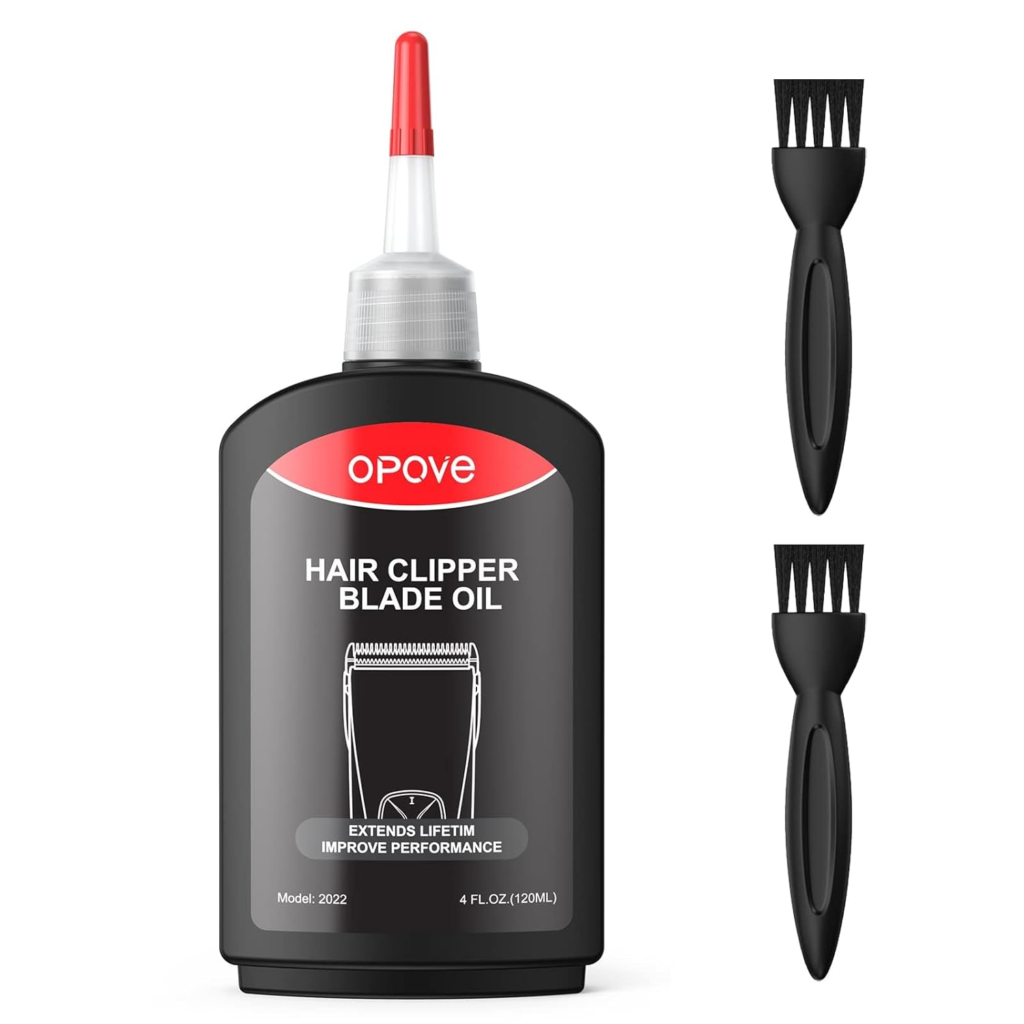
You do not always need to oil a razor after every shave if you use it regularly and store it in a dry area. But oil is helpful for long term storage or humid climates. Use oil when:
- You will not use the razor for a week or more.
- Your bathroom is humid.
- The blade is carbon steel.
- You live in a damp climate.
- You store the razor in a closed case.
Avoid using thick sticky oils. A light mineral oil or razor safe blade oil is usually better. Before shaving again, wipe the oil off carefully. Do not shave with an oily blade unless the product is safe for skin contact.
How to Strop During Maintenance
Stropping is part of regular straight razor care. It helps refresh the blade edge before shaving. Most users strop before every shave. Some also use a few light laps after shaving once the blade is fully clean and dry. Beginners should focus on pre shave stropping first.
The basic rule is simple. Keep the razor flat on the strop. Move spine first. Use light pressure. Flip on the spine. If you are not confident yet, learn how to strop a straight razor before trying fast strokes. Speed is not important. Clean technique matters more.
When Maintenance Requires Honing
Stropping keeps the edge fresh, but it cannot fix every problem. A traditional straight razor eventually needs honing when the edge becomes dull. Your razor may need honing if:
- It tugs hair after stropping.
- It feels rough on the skin.
- It skips over hair.
- You need too many passes.
- The edge looks damaged.
- Shaving feels worse than usual.
- Stropping no longer improves the edge.
At that point, you can learn how to hone and sharpen a straight razor at home or use a professional honing service. Beginners should be careful with home honing because poor sharpening can damage the edge.
Daily Straight Razor Care Routine
Here is a simple daily routine after each shave.
| Step | Action | Time Needed |
| 1 | Rinse blade gently | Less than 30 seconds |
| 2 | Remove hair and lather | Less than 30 seconds |
| 3 | Wipe blade dry | 1 minute |
| 4 | Dry pivot area | 1 minute |
| 5 | Let razor air dry | A few minutes |
| 6 | Store in dry place | Less than 30 seconds |
This routine is easy once it becomes a habit. The main goal is to remove moisture before storage.
Weekly Straight Razor Maintenance Routine
A weekly check helps you catch small issues early.
| Weekly Task | What to Check | Why It Matters |
| Inspect blade | Rust, stains, chips | Prevents long term damage |
| Check pivot | Stiffness or residue | Keeps razor opening smoothly |
| Check scales | Cracks or warping | Protects blade alignment |
| Clean strop | Dust or grit | Protects the razor edge |
| Check storage area | Moisture or steam | Reduces rust risk |
This does not need to take long. A quick inspection can save you from bigger problems later.
Long Term Storage Tips
If you will not use your straight razor for a while, prepare it properly before storing.
Clean It Fully
Remove all soap residue, fingerprints and moisture. Do not store a dirty blade.
Dry It Completely
Let the razor air dry after towel drying. Pay attention to the pivot.
Apply a Thin Oil Layer
Use a small amount of blade oil or mineral oil. Cover the blade lightly.
Use a Safe Case
A case protects the razor from scratches and accidental contact. But the case should be dry. Do not put a wet razor inside.
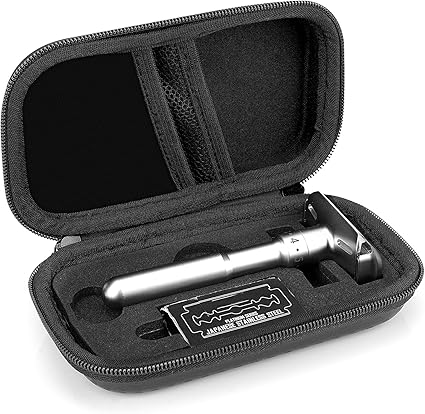
Avoid Leather Cases for Long Term Moisture Storage
Leather can hold moisture. It looks premium, but it may not be ideal for long storage in humid areas.
Check It Monthly
Even in storage, inspect the razor sometimes. This helps catch early rust.
Best Storage Options for Straight Razors
| Storage Option | Best For | Notes |
| Dry drawer | Daily users | Add silica gel if needed |
| Razor stand | Air drying | Good after shaving |
| Ventilated case | Travel or short storage | Make sure razor is dry first |
| Hard case | Protection | Better for transport |
| Display box | Premium razors | Keep away from humidity |
| Bathroom cabinet | Convenient storage | Only if bathroom stays dry |
The best storage option is dry, stable and away from steam.
Common Straight Razor Maintenance Mistakes
Closing the Razor While Wet
This traps moisture inside the scales. It can cause rust near the pivot or blade face.
Storing in a Damp Bathroom
Steam and humidity can damage carbon steel. Store the razor outside the bathroom if moisture is a problem.
Skipping the Pivot Area
The pivot area is easy to ignore, but it often holds water.
Using Too Much Oil
A light oil layer is enough. Too much oil attracts dust.
Stropping with a Dirty Strop
Dust or grit on the strop can scratch the edge.
Honing Too Often
Honing removes steel. Do it only when needed.
Using Harsh Cleaners
Avoid strong chemicals. They can damage blade finish or handle materials.
Letting Others Use Your Razor
A straight razor is personal. Sharing can create hygiene risks and may damage the edge if the other person uses poor technique.
Maintenance Tips for Carbon Steel Razors
Carbon steel needs more care than stainless steel. It can give excellent sharpness, but it reacts faster to moisture.
Follow these tips:
- Dry immediately after shaving.
- Avoid leaving it near the sink.
- Use oil for storage.
- Check for rust often.
- Keep away from bathroom steam.
- Do not touch the blade face with wet fingers.
- Store with moisture control.
If you choose carbon steel, accept that care is part of the routine.
Maintenance Tips for Stainless Steel Razors
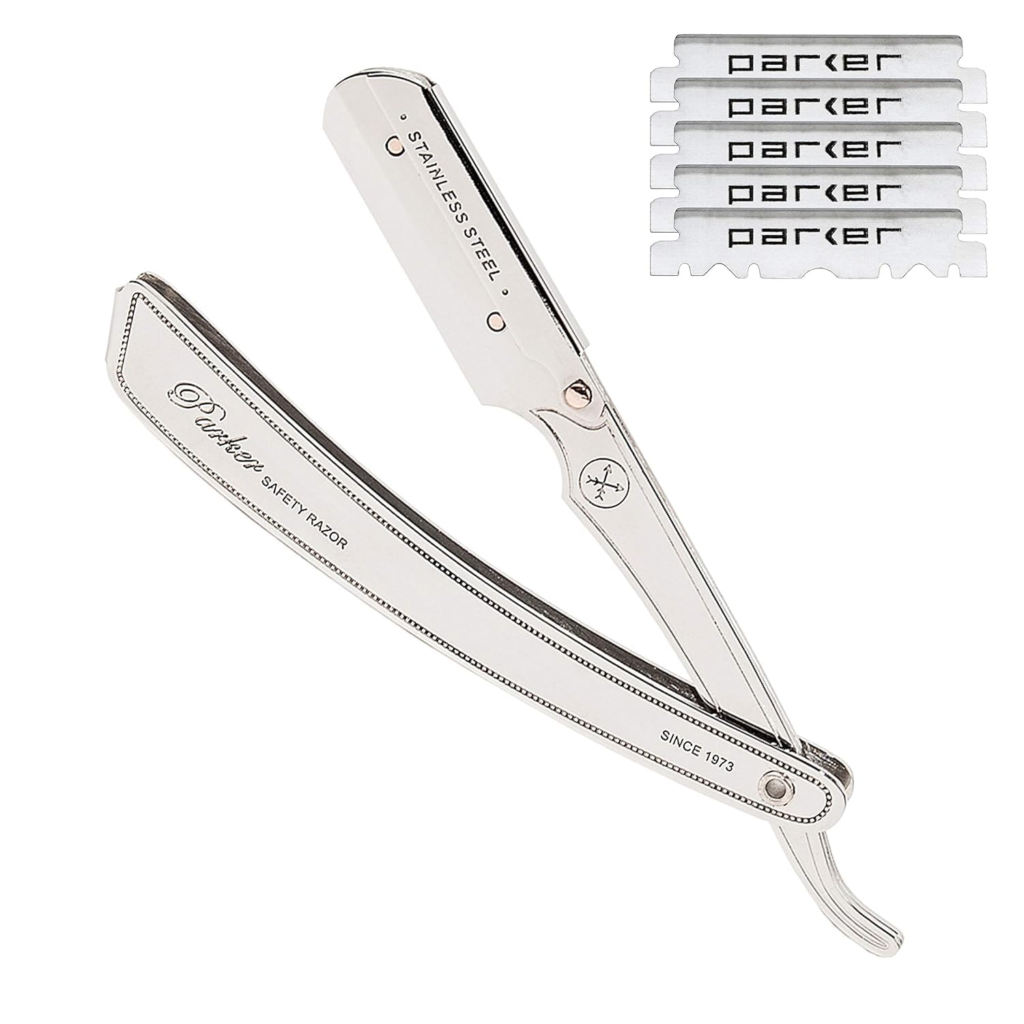
Stainless steel is more rust resistant, but it is not maintenance free. It can still stain or develop problems if ignored.
Follow these tips:
- Rinse after shaving.
- Dry fully.
- Clean around the pivot.
- Store in a dry place.
- Inspect the edge regularly.
- Use oil for long storage if needed.
Stainless steel gives more forgiveness, but basic care is still important.
How to Maintain a Shavette
A shavette uses replaceable blades, so maintenance is different from a traditional straight razor. After shaving, remove hair and lather from the holder. Dry the razor body fully. Replace the blade when it becomes dull. Do not leave used blades sitting wet inside the holder.
Shavettes do not need stropping or honing. That makes them easier for beginners who do not want full straight razor maintenance. Still, cleanliness matters. Soap buildup can affect blade loading and hygiene.
Amazon CTA: Check straight razors and cleaning accessories on Amazon to keep your straight razor shave ready for years.
Signs Your Straight Razor Is Not Being Maintained Well
Your maintenance routine may need improvement if:
- The blade has rust spots.
- The razor smells musty.
- The pivot feels stiff.
- The edge pulls hair.
- The blade looks stained.
- The scales feel damp or warped.
- The strop has cuts or dirt.
- Shaving feels rough even after stropping.
Fix the problem early. A small issue is easier to handle than a damaged edge or rusty blade.
Best Maintenance Routine for Beginners
If you are new, keep the routine simple.
| Time | What to Do |
| Before shave | Strop the razor carefully |
| During shave | Rinse blade gently when needed |
| After shave | Rinse away all lather |
| After rinse | Dry blade and pivot fully |
| Before storage | Let it air dry briefly |
| Weekly | Inspect blade, strop and storage area |
| Monthly | Check edge performance |
This routine protects the razor without making maintenance feel complicated.
Final Verdict
Straight razor maintenance is simple when you make it a habit. Clean the blade after every shave. Dry it fully. Pay attention to the pivot area. Store it away from moisture. Strop before shaving. Hone only when stropping no longer improves the edge. A traditional straight razor can last for many years if you care for it correctly. The key is consistency. Most problems come from moisture, poor storage, dirty strops or delayed edge care.
If you want the smoothest experience, build a small maintenance kit with a soft towel, leather strop, blade oil, storage case and moisture control. These tools help protect both the edge and the razor body.
Final Amazon CTA: Check straight razor strops, storage cases, blade oil and cleaning accessories on Amazon to keep your straight razor shave ready for years.
AMAZON AFFILIATE DISCLAIMER
This post contains affiliate links. If you purchase through our links, we may earn a small commission at no extra cost to you.
FAQs
How do you clean a straight razor after shaving?
Rinse the blade gently with water to remove lather and hair. Then dry the blade carefully with a soft towel. Make sure the pivot area is also dry before storage.
Should I dry my straight razor after every shave?
Yes. Drying after every shave is one of the most important maintenance steps. Moisture can cause rust, stains and pivot problems.
Can a straight razor rust?
Yes. Carbon steel straight razors can rust if left wet. Stainless steel is more resistant but still needs drying and proper storage.
Should I oil my straight razor?
Oil is useful for long term storage or humid climates. Apply a very thin layer after the razor is clean and fully dry.
Where should I store a straight razor?
Store it in a dry place away from bathroom steam. A dry drawer, ventilated case or razor stand can work well.
Do I need to strop my straight razor every time?
Most traditional straight razor users strop before every shave. Stropping helps refresh and smooth the edge.
How often does a straight razor need honing?
Only hone when the razor becomes dull and stropping no longer improves the shave. Honing after every shave is not needed.
Can I store a straight razor in a leather case?
A leather case is fine for short term carrying if the razor is fully dry. For long term storage in humid areas, leather may hold moisture.
How do I maintain a shavette?
Clean and dry the holder after shaving. Replace the blade when it feels dull. Shavettes do not need stropping or honing.
What is the biggest straight razor maintenance mistake?
The biggest mistake is storing the razor while it is still wet. This can cause rust, staining and long term damage