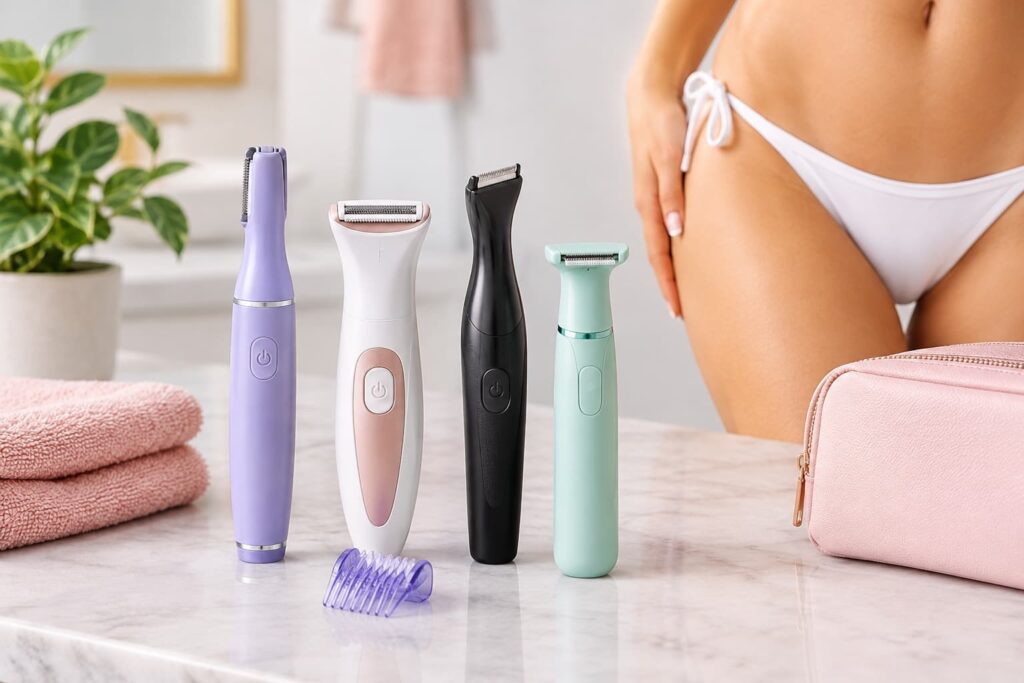
Ingrown hairs in the bikini area can be painful, itchy, annoying and frustrating. They often show up as small red bumps, dark spots, tender pimples or trapped hairs under the skin. For some women, they happen after shaving. For others, they appear after waxing, tweezing, epilating or trimming too close. The bikini area is especially prone to this problem because the hair can be coarse or curly, while the skin is delicate and easily irritated by friction.
The good news is that many ingrown hairs can be reduced with a better grooming routine. You do not always need to stop grooming completely, but you do need to avoid habits that force hair to grow back into the skin. This means trimming before shaving, avoiding overly close removal, using clean sharp tools, softening hair with warm water, using shaving gel, shaving with the direction of hair growth, wearing loose clothing after grooming, plus caring for the skin between sessions.
If you get ingrown hairs often, your goal should not be the closest possible shave. Your goal should be a clean, comfortable routine that keeps the bikini area neat without creating bumps. For many women, a guarded bikini trimmer is safer than frequent close shaving. If your skin is sensitive, the right tool and aftercare can make a huge difference.
This guide explains how to prevent ingrown hairs in the bikini area step by step. You will learn what causes them, how to trim safely, how to shave with less risk, what to apply after grooming, when to exfoliate, what clothing to avoid, which products may help, plus when to see a dermatologist.
Quick Answer: Best Way to Prevent Bikini Area Ingrown Hairs
The best way to prevent ingrown hairs in the bikini area is to avoid removing hair too close to the skin. Use a bikini trimmer with a guard when possible. If you shave, trim long hair first, soften the hair with warm water, use shaving gel, shave in the direction of hair growth, use a sharp clean razor, avoid repeated passes, moisturize after, then wear loose cotton underwear.
If you already have painful bumps, stop shaving or waxing until the skin calms down.
What Are Ingrown Hairs?
An ingrown hair happens when a hair grows back into the skin instead of growing outward. It may curl under the surface, grow sideways or become trapped by dead skin. This can create a small bump that may look red, dark, itchy, sore or pimple like. In the bikini area, ingrown hairs can feel more uncomfortable because underwear and clothing rub against the skin. Sweat, tight fabrics, shaving friction, plus repeated hair removal can make the area more irritated.
Ingrown hairs are common after shaving, waxing, tweezing or epilation because these methods can change how hair grows back. Close shaving can leave a sharp hair tip near the skin surface. Waxing or epilation removes the hair from the root, then new hair has to push through the skin again. If the follicle is blocked or the hair curls, the hair can become trapped.
Why the Bikini Area Gets Ingrown Hairs
The bikini area has several factors that make ingrown hairs more likely.
Coarse or Curly Hair
Coarse or curly hair is more likely to bend back into the skin. If your bikini hair grows in curls, tight spirals or different directions, close shaving can increase the risk of trapped hair.
Close Shaving
A close shave can cut the hair below or very near the skin surface. When it grows back, the sharp tip can curl inward or get trapped.
Dull Razors
A dull razor drags across the skin and cuts unevenly. This can create irritation and make bumps more likely.
Shaving Against Hair Growth
Shaving against the direction of growth may feel smoother, but it can increase irritation and ingrown hair risk for many women.
Tight Clothing
Tight underwear, leggings, jeans, or swimsuits can rub against freshly groomed skin. This friction may trap hairs or make bumps worse.
Dead Skin Buildup
Dead skin can block hair from growing outward. Gentle exfoliation between grooming sessions can help some people.
Over Grooming
Shaving too often gives the skin little time to recover. Repeated friction can turn small bumps into painful irritation.
Dirty Tools
A dirty trimmer or razor can irritate skin, clog follicles, plus make the grooming session less hygienic.
Trimming vs Shaving for Ingrown Hair Prevention
If ingrown hairs are a regular problem, trimming is usually better than close shaving. A bikini trimmer cuts hair shorter but does not remove it from the root. It also does not shave as close as a manual razor. That small amount of remaining length can reduce the chance of hair curling back under the skin.
Shaving gives a smoother finish, but it also creates more risk if your skin is bump prone. A razor cuts very close. If you press too hard or shave against the grain, the skin can react quickly. For many women, the best routine is:
- Trim most of the area with a guard
- Shave only the outer bikini line if needed
- Avoid shaving over areas where bumps already exist
- Use gentle pre and post shave care
If your skin reacts badly to shaving, switch to trimming for a while. A neat trim is better than a painful smooth shave.
Best Grooming Routine to Prevent Ingrown Hairs
Step 1: Do Not Groom Over Active Bumps
If you already have painful ingrown hairs, redness, swelling, pus, or broken skin, do not shave over that area. Let the skin calm down first. Grooming over active bumps can make irritation worse.
Step 2: Clean the Area First
Wash the bikini area with warm water and a gentle cleanser. This removes sweat, oil, dead skin, plus product residue. Avoid harsh scented soaps if your skin is sensitive.
Step 3: Soften the Hair
Warm water can soften hair and make grooming easier. If you plan to shave, wait a few minutes after warm water exposure before using a razor.
Step 4: Trim Long Hair First
Never shave long bikini hair directly. Long hair clogs the razor and increases dragging. Use a bikini trimmer with a guard to reduce length first.
If you need a complete technique routine, follow how to trim and shave the bikini area without irritation before shaving the bikini line.
Step 5: Use a Guard If You Are Bump Prone
A guard helps keep the blade from cutting too close. If you get ingrown hairs often, use a longer guard rather than the closest setting.
Step 6: Apply Shaving Gel If You Shave
If you use a razor, apply a gentle shaving gel or cream. This reduces friction. Do not dry shave the bikini area.
Step 7: Use a Sharp Clean Razor
A sharp clean razor glides better. A dull razor needs more pressure, which can irritate skin. Replace blades before they drag.
Step 8: Shave With Hair Growth
Shave in the direction your hair grows. It may not feel as smooth as shaving against the grain, but it is usually gentler for bump prone skin.
Step 9: Use Light Pressure
Do not press the razor down. Let it glide. If hair is not cutting easily, the blade may be dull or the hair may need more trimming first.
Step 10: Avoid Repeated Passes
Going over the same spot again and again creates friction. This can trigger bumps. Use short strokes, rinse the blade often, then stop before the skin feels sore.
Step 11: Rinse With Cool Water
After grooming, rinse the area with cool water. This helps remove product residue and calm the skin.
Step 12: Pat Dry
Do not rub with a towel. Pat gently with a clean towel.
Step 13: Apply Gentle Aftercare
Use a fragrance free moisturizer or post shave product if your skin tolerates it. Avoid alcohol based products on fresh skin.
Step 14: Wear Loose Clothing
Choose loose cotton underwear after grooming. Avoid tight leggings or jeans for a few hours.
Best Bikini Trimmer Features for Ingrown Hair Prevention
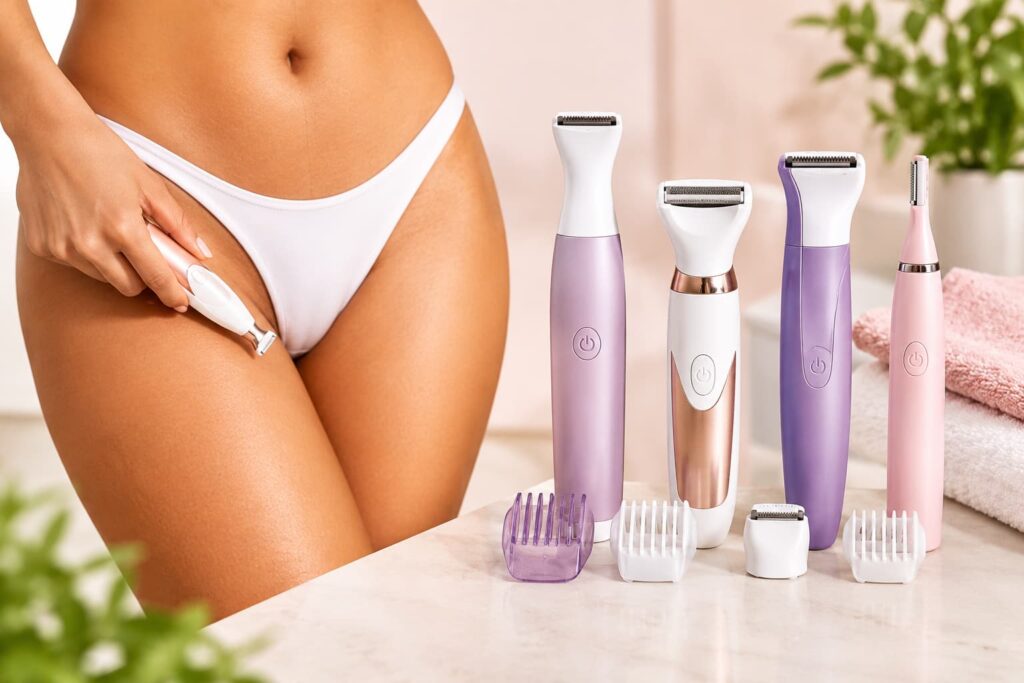
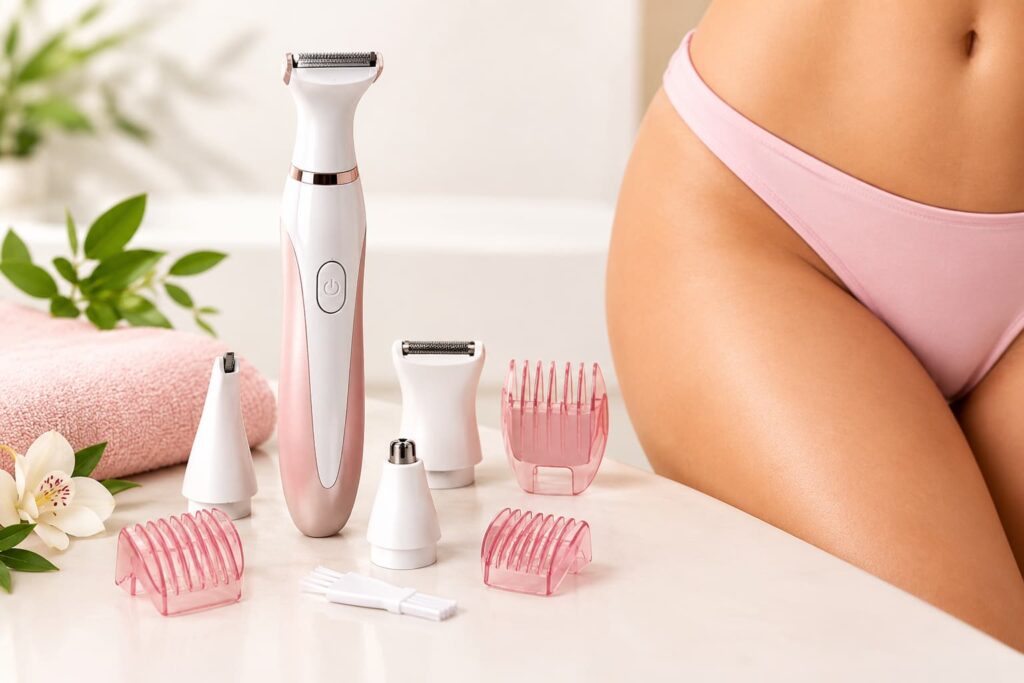
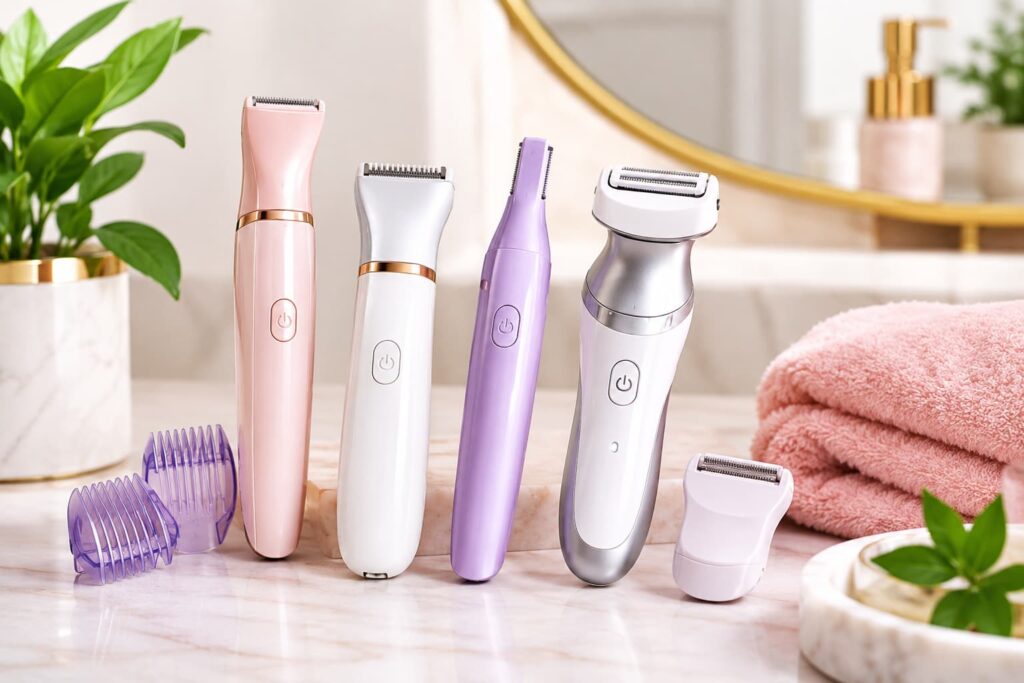
A good bikini trimmer can help reduce ingrown hair risk by preventing overly close hair removal. If you are shopping for one, do not look only at price. Look at comfort features.
Guard Attachments
A guard is the most important feature for bump prone skin. It keeps the blade from cutting too close.
Rounded Tips
Rounded trimming tips can feel gentler around curves and reduce scratching.
Skin Protection Fins
Some trimmers include skin protection features that help reduce tugging and direct blade contact.
Waterproof or Washable Design
A waterproof or washable trimmer is easier to clean. Clean tools are important for bikini area grooming.
Cordless Use
Cordless designs give better control because there is no wire in the way.
Comfortable Grip
A good grip helps you move slowly and safely around the bikini line.
Multiple Length Settings
Adjustable guards help you avoid trimming too short. This is useful if your skin reacts to close grooming. If your skin is reactive, compare best bikini trimmers for sensitive skin before buying. Sensitive skin focused trimmers usually include guards, gentle blade design or skin protection features that can also help reduce ingrown hair risk.
Best Razor Habits to Prevent Ingrown Hairs
If you still want a smooth bikini line, shaving can work, but your technique has to be gentle.
Use a Clean Razor
A razor that has been sitting in a wet shower can become dull or dirty. Store it dry when possible.
Replace Blades Often
A dull blade drags across the skin. If the razor feels rough, replace it.
Do Not Share Razors
Sharing razors is unhygienic and can increase irritation risk.
Use Shave Gel
Shave gel creates slip. Without it, the razor pulls more on the skin.
Shave With the Grain
For bump prone skin, shave in the direction of hair growth. Avoid going against the grain.
Do Not Stretch Skin Too Much
Pulling the skin very tight can create an extra close shave. That may sound good, but it can increase ingrown hairs for some people.
Do Not Chase Perfect Smoothness
A perfect shave often means too many passes. Stop before the skin feels hot or sore.
Rinse the Blade Often
Hair and gel buildup can make the razor drag. Rinse after short strokes.
Exfoliation for Bikini Area Ingrown Hairs
Exfoliation can help prevent dead skin from trapping hair, but it has to be gentle. The bikini area is sensitive, so harsh scrubs can make the problem worse.
When to Exfoliate
Exfoliate between grooming sessions, not right after shaving. Freshly shaved skin can sting if you use exfoliating products too soon.
A good routine could be gentle exfoliation one or two days before shaving, then again a few days after shaving if the skin feels calm.
Physical Exfoliation
A soft washcloth can be enough for many people. Avoid rough scrubs with sharp particles. Do not scrub bumps aggressively.
Chemical Exfoliation
Some ingrown hair products use ingredients like salicylic acid, glycolic acid or lactic acid. These can help some users but they can sting sensitive skin. Start slowly and patch test first.
Do Not Exfoliate Broken Skin
Avoid exfoliation if you have cuts, open bumps, infection, burning or a rash.
Moisturize After Exfoliation
Exfoliation can dry the skin. Use a gentle moisturizer after if your skin tolerates it.
Aftercare Routine to Reduce Ingrown Hairs
Aftercare is not optional if you are prone to bikini area bumps. The skin needs time to recover after grooming.
Right After Grooming
Rinse with cool water. Pat dry. Apply a gentle moisturizer or soothing product.
First Few Hours
Wear loose underwear. Avoid tight clothing. Avoid heavy sweating if possible. Skip scented sprays or harsh products.
Next Day
Check the skin. If it feels calm, continue moisturizing. If it feels irritated, avoid shaving again.
Between Grooming Sessions
Use gentle exfoliation if your skin tolerates it. Keep the area clean and moisturized. Avoid picking at bumps.
Before the Next Grooming Session
Make sure the skin has fully calmed down. Do not shave irritated skin. This is where pre and post shave care becomes important. A good routine before and after grooming can reduce friction, dryness, plus irritation that may lead to ingrown hairs.
Products That May Help Prevent Ingrown Hairs
You do not need a huge product collection, but a few simple tools can help.
Bikini Trimmer With Guard
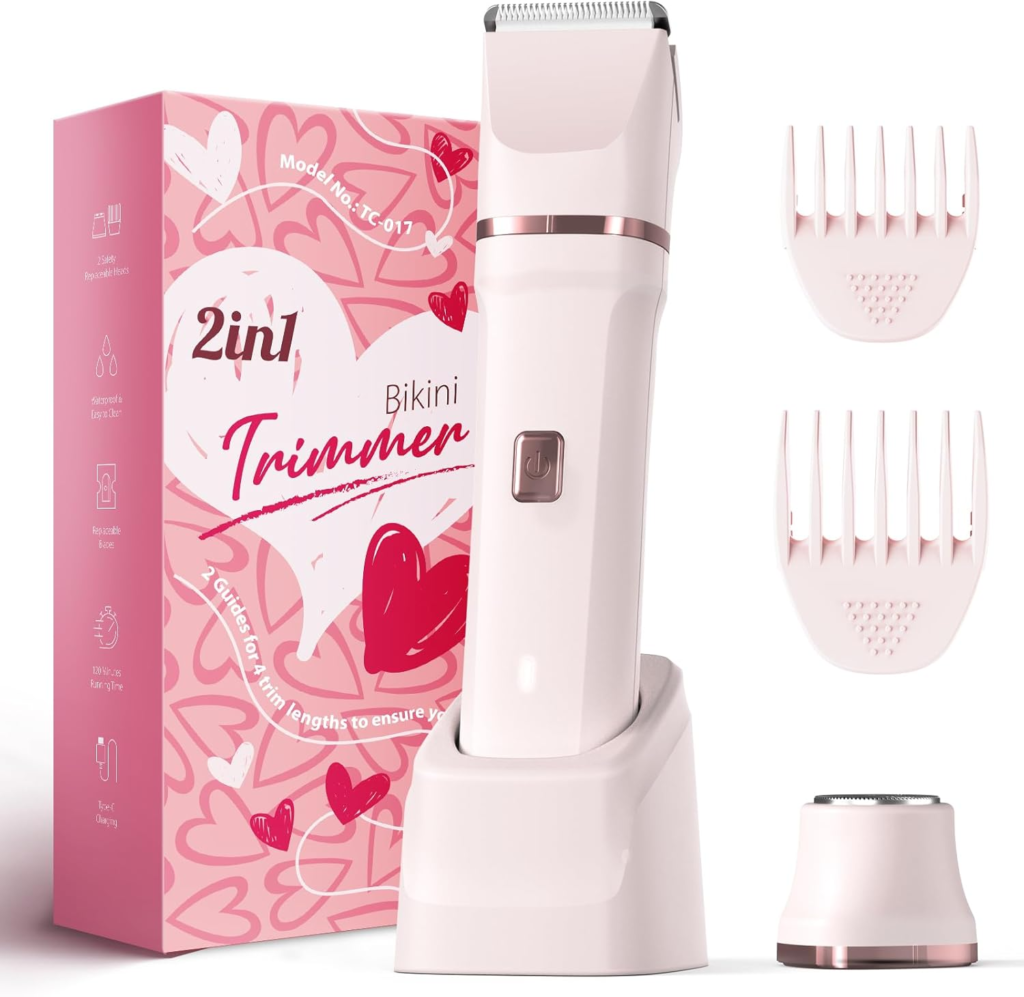
This is the most important tool if you want to avoid close shaving.
Sensitive Skin Shaving Gel
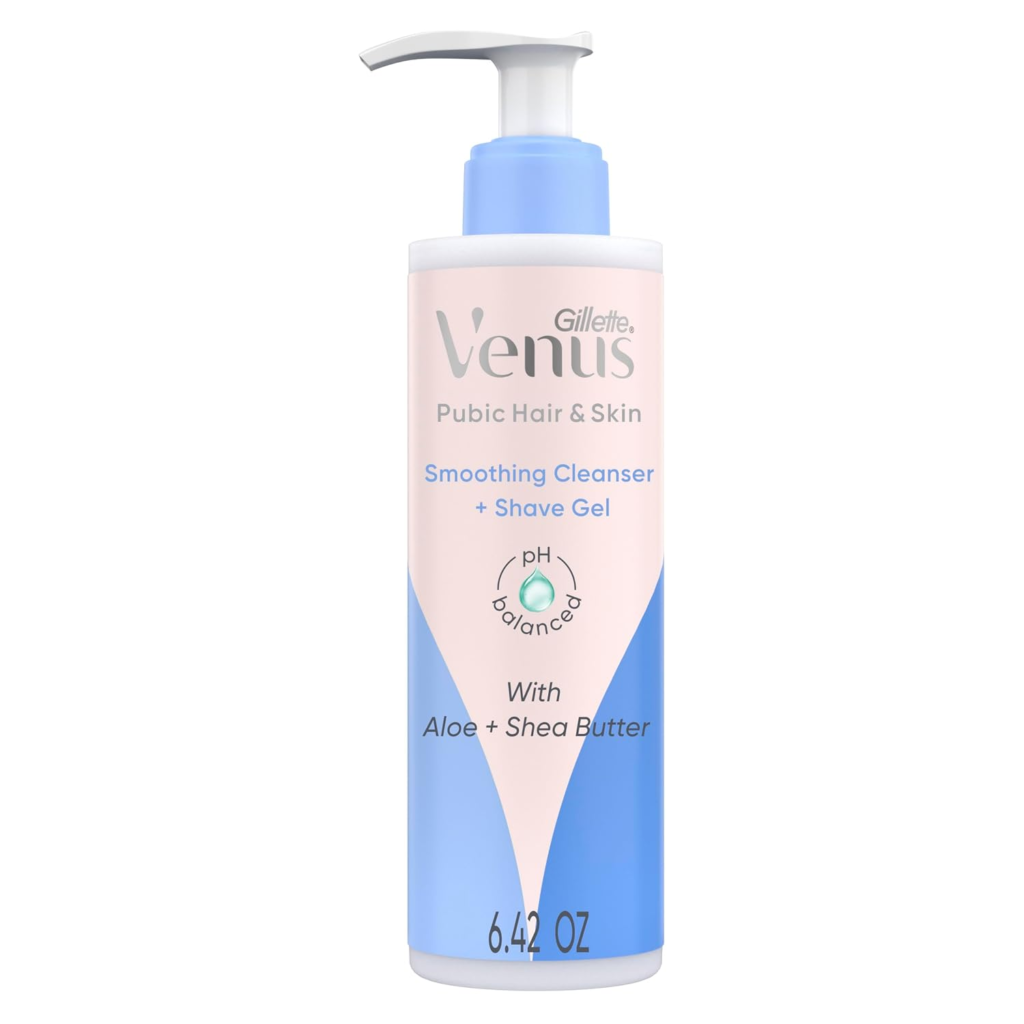
A gentle shaving gel helps the razor glide. Choose fragrance free options if your skin reacts easily.
Amazon CTA: See sensitive skin shaving gels on Amazon before your next bikini line shave.
Sharp Women’s Razor
If shaving is part of your routine, use a clean sharp razor. Replace dull cartridges quickly.
Amazon CTA: Compare women’s razors on Amazon if you want a smoother bikini line finish.
Soft Washcloth or Gentle Exfoliating Mitt
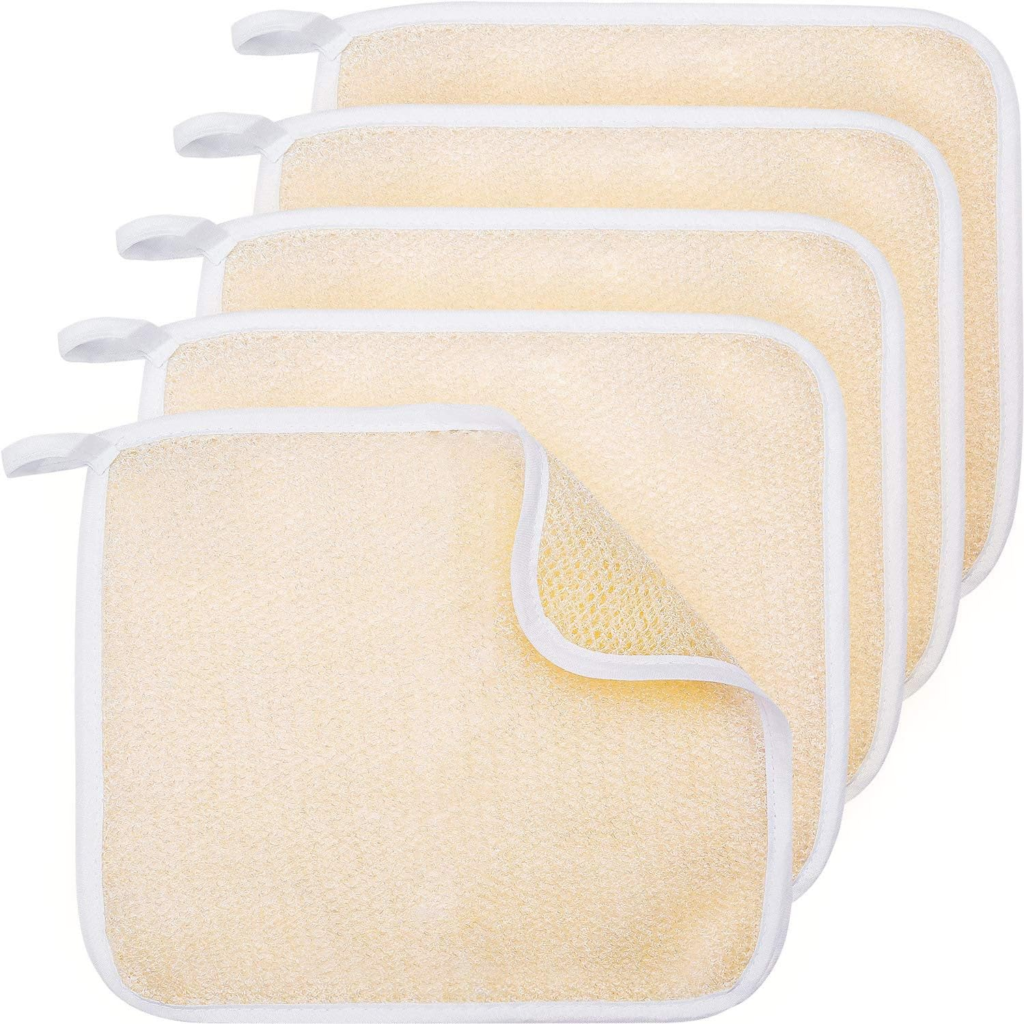
Use gentle exfoliation between grooming days. Do not scrub irritated skin.
Amazon CTA: Check gentle exfoliating washcloths on Amazon if dead skin buildup is an issue.
Fragrance Free Moisturizer
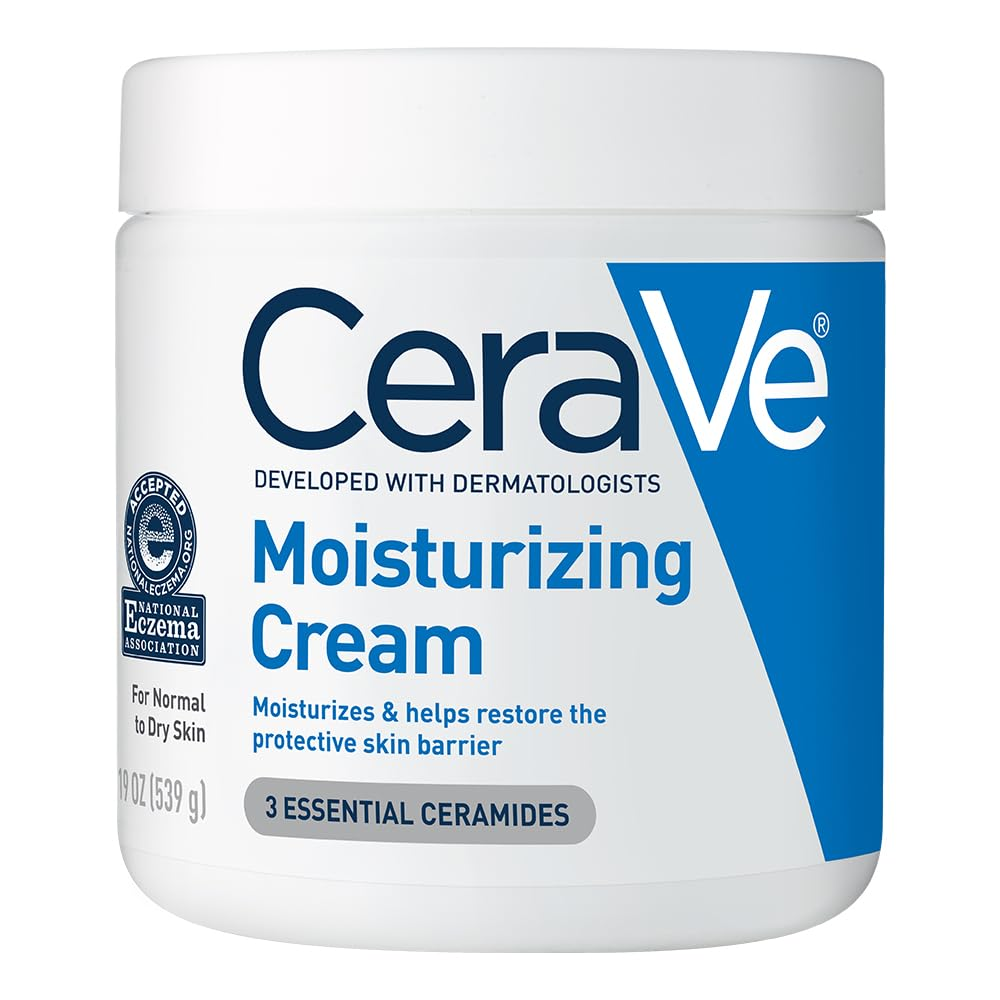
Moisturizing can reduce dryness and friction. Choose a gentle product.
Amazon CTA: View fragrance free moisturizers on Amazon for post grooming care.
Ingrown Hair Serum
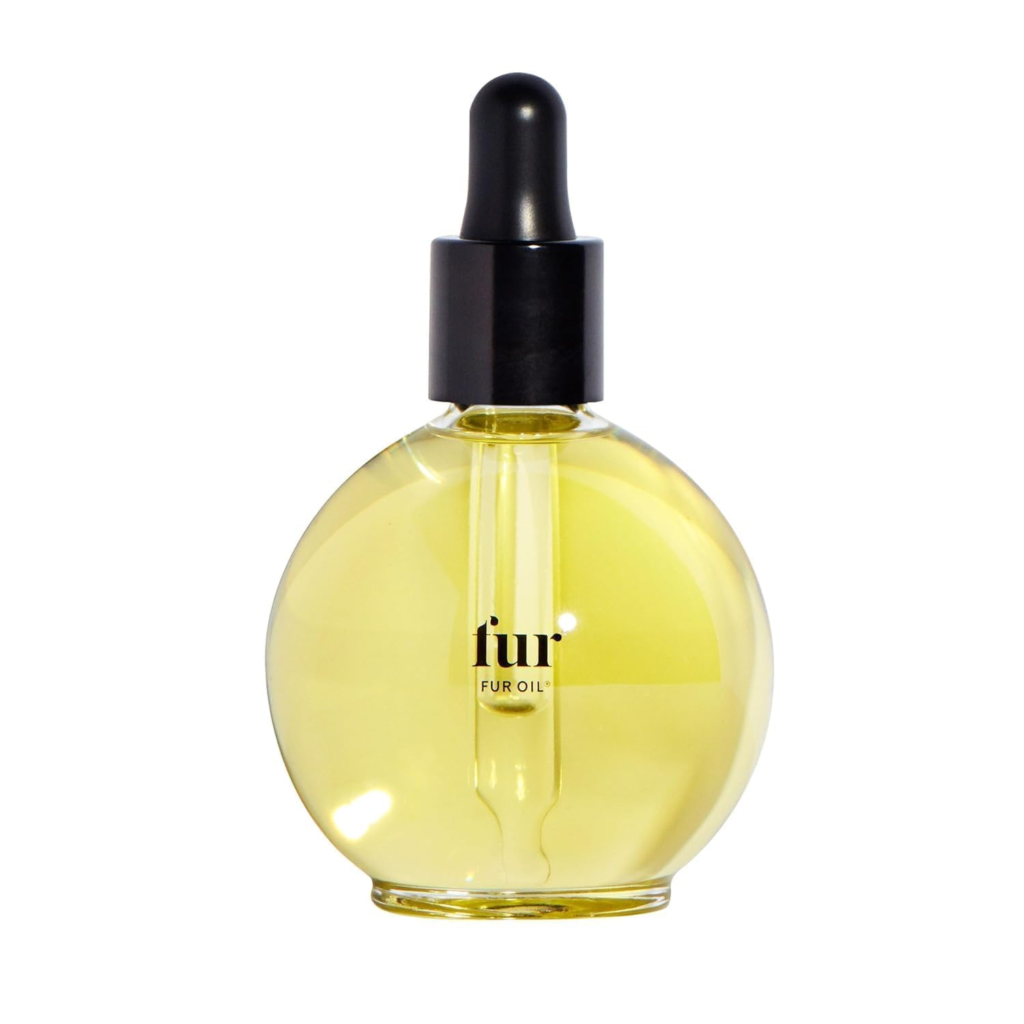
Some products are made for ingrown hair prone skin. Look for gentle formulas and patch test before using near the bikini area.
Amazon CTA: Compare ingrown hair care products on Amazon if bumps keep returning.
What to Avoid If You Get Ingrown Hairs Often
Avoid Dry Shaving
Dry shaving creates friction and increases irritation.
Avoid Dull Blades
Dull blades tug and scrape.
Avoid Shaving Against the Grain
Against the grain shaving can increase bump risk.
Avoid Tight Clothing After Grooming
Friction from tight clothing can make fresh bumps worse.
Avoid Picking Ingrown Hairs
Picking can cause infection, scarring or dark marks.
Avoid Harsh Scrubs
Rough scrubs can damage sensitive bikini skin.
Avoid Strong Fragrance
Fragrance can irritate freshly groomed skin.
Avoid Waxing Over Irritated Skin
Waxing pulls hair from the root and can worsen inflamed bumps.
Avoid Grooming Too Often
Let the skin recover between sessions.
How to Treat an Ingrown Hair Safely at Home
This article focuses on prevention but you may already have a bump. Treat it gently.
Stop Shaving the Area
Pause shaving, waxing or tweezing until the skin improves.
Use a Warm Compress
A warm compress may help soften the skin and reduce discomfort.
Keep the Area Clean
Wash gently. Do not scrub the bump.
Do Not Squeeze
Squeezing can push irritation deeper and increase infection risk.
Avoid Tight Clothing
Loose clothing reduces rubbing while the bump heals.
Use Gentle Moisturizer
If the area feels dry or itchy, use a fragrance free moisturizer.
Watch for Infection Signs
If the bump becomes very painful, swollen, warm, spreading or filled with pus, seek medical advice.
When to See a Dermatologist
Most small ingrown hairs improve with gentle care but some need medical attention.
See a dermatologist or healthcare professional if:
• Bumps are very painful
• You see pus or spreading redness
• The area feels warm or swollen
• Ingrown hairs keep coming back
• You develop dark marks or scarring
• You have a large painful lump
• You have fever or feel unwell
• You have diabetes or immune concerns
• Home care does not help
Do not keep shaving over recurring bumps. A dermatologist may suggest prescription treatments or alternative hair removal methods.
Best Routine for Different Skin Types
Sensitive Skin
Use a bikini trimmer with a guard. Avoid close shaving. Use fragrance free aftercare.
Coarse or Curly Hair
Trim first. Avoid shaving too close. Shave with hair growth if needed.
Dry Skin
Moisturize regularly. Avoid harsh soaps and rough scrubs.
Bump Prone Skin
Use guards. Avoid tight clothing. Do not shave against the grain.
Normal Skin
You may be able to trim first and shave the edges. Still use gentle technique.
Darker Skin Tones
Ingrown hairs can sometimes leave dark marks after irritation. Avoid picking. Use gentle prevention and give bumps time to heal.
Best Routine by Grooming Goal
Neat Bikini Trim
Use a guarded bikini trimmer. Skip shaving. Moisturize after.
Smooth Bikini Line
Trim first. Use shave gel. Shave with light pressure. Moisturize after.
Vacation Grooming
Do not try a new shaving method right before travel. Test your routine earlier. Groom a day before swimwear if your skin needs time to calm down.
Fast Touch Ups
Use a cordless bikini trimmer with a guard. Do not rush with a razor.
Sensitive Skin Maintenance
Trim regularly but not too often. Avoid close shaving unless necessary.
Common Myths About Bikini Area Ingrown Hairs
Myth 1: Only Dirty Skin Causes Ingrown Hairs
Clean skin helps, but ingrown hairs can happen because of hair texture, close shaving, waxing, friction or dead skin buildup.
Myth 2: Shaving More Closely Prevents Bumps
A closer shave can make bumps worse for many people. Leaving a little stubble is often safer.
Myth 3: Scrubbing Hard Removes Ingrown Hairs
Harsh scrubbing can irritate skin and worsen bumps. Gentle exfoliation is better.
Myth 4: Ingrown Hairs Should Be Popped
Do not pop or squeeze bumps. This can cause infection or scarring.
Myth 5: Expensive Razors Always Prevent Ingrown Hairs
Technique matters more than price. Even a premium razor can cause bumps if used with too much pressure or against the grain.
Weekly Bikini Area Ingrown Hair Prevention Routine
Day 1: Grooming Day
Clean skin, trim with guard, shave only if needed, moisturize after, wear loose clothing.
Day 2: Recovery Day
Avoid tight clothing and harsh products. Moisturize if needed.
Day 3: Gentle Exfoliation
If skin feels calm, use a soft washcloth or gentle exfoliating product.
Day 4: Moisturize
Keep skin hydrated. Avoid picking at any bumps.
Day 5: Check Skin
If bumps are forming, avoid shaving again. Use warm compress if needed.
Day 6: Light Maintenance
Use a trimmer only if needed. Avoid close shaving.
Day 7: Rest
Let the skin recover. Plan your next grooming session based on comfort, not habit.
Amazon Buying Tips for Ingrown Hair Prevention
When buying grooming products on Amazon, focus on skin protection instead of only smoothness.
Look For
• Bikini trimmer with guard
• Rounded blade tips
• Skin protection design
• Waterproof or washable head
• Sensitive skin shaving gel
• Sharp replacement blades
• Fragrance free moisturizer
• Gentle exfoliating cloth
• Ingrown hair care product for sensitive skin
• Clear instructions from the brand
Be Careful With
• Harsh scrubs
• Strong fragrance
• Alcohol based aftershaves
• Unknown trimmers with no guard
• Old razors in large bulk packs
• Products that promise impossible permanent results
• Strong acids used too soon after shaving
Final Verdict
The best way to prevent ingrown hairs in the bikini area is to avoid overly close hair removal and reduce friction. Use a bikini trimmer with a guard whenever possible. If you shave, trim first, use warm water, apply shaving gel, use a sharp clean razor, shave with hair growth, avoid repeated passes then moisturize after.
For many women, trimming is better than shaving because it leaves a little length and reduces the chance of hair curling back into the skin. If you have sensitive skin, start with best bikini trimmers for sensitive skin instead of chasing a perfectly smooth shave.
Ingrown hair prevention is not one single product. It is a full routine. Clean skin, gentle tools, proper shaving direction, smart exfoliation, loose clothing, plus good pre and post shave care all work together. If bumps are painful, infected or keep returning, stop shaving the area and speak with a dermatologist.
Amazon Affiliate Disclosure
As an Amazon Associate I earn from qualifying purchases. This means we may earn a small commission if you buy through links on this page, at no extra cost to you.
Medical Disclaimer
This article is for general grooming education only. It is not medical advice. If you have persistent ingrown hairs, painful bumps, pus, swelling, infection, rash, allergies, pregnancy related concerns or any skin condition, speak with a qualified dermatologist or healthcare professional before trying a new grooming routine.
FAQs
How do you prevent ingrown hairs in the bikini area?
Use a guarded bikini trimmer when possible. If shaving, trim first, use warm water, apply shaving gel, use a sharp clean razor, shave with hair growth, moisturize after, then avoid tight clothing.
Is trimming better than shaving for ingrown hairs?
Yes, trimming is often better because it does not cut hair as close to the skin. This can reduce the chance of hair curling back under the skin.
Should I exfoliate the bikini area to prevent ingrown hairs?
Gentle exfoliation between grooming sessions may help remove dead skin. Do not exfoliate broken, irritated, or freshly shaved skin.
Why do I get ingrown hairs after shaving my bikini line?
Common causes include close shaving, shaving against hair growth, dull blades, friction from tight clothing, curly hair, plus dead skin buildup.
Can shaving gel help prevent ingrown hairs?
Yes, shaving gel can reduce friction and help the razor glide better. It works best with a sharp clean razor and gentle shaving direction.
Should I shave against the grain for a smooth bikini line?
If you are prone to ingrown hairs, avoid shaving against the grain. Shaving with hair growth is usually gentler.
What should I apply after shaving to prevent bumps?
Use a gentle fragrance free moisturizer or soothing post shave product if your skin tolerates it. Avoid alcohol based or heavily scented products.
Can tight underwear cause ingrown hairs?
Tight underwear can increase friction after grooming, which may irritate skin and worsen bumps. Loose cotton underwear is usually more comfortable after shaving or trimming.
Should I pop an ingrown hair bump?
No. Do not pop or squeeze ingrown hair bumps. This can cause infection, scarring, or more irritation.
When should I see a doctor for ingrown hairs?
See a doctor if bumps are painful, swollen, filled with pus, spreading, recurring often, or leaving scars or dark marks.