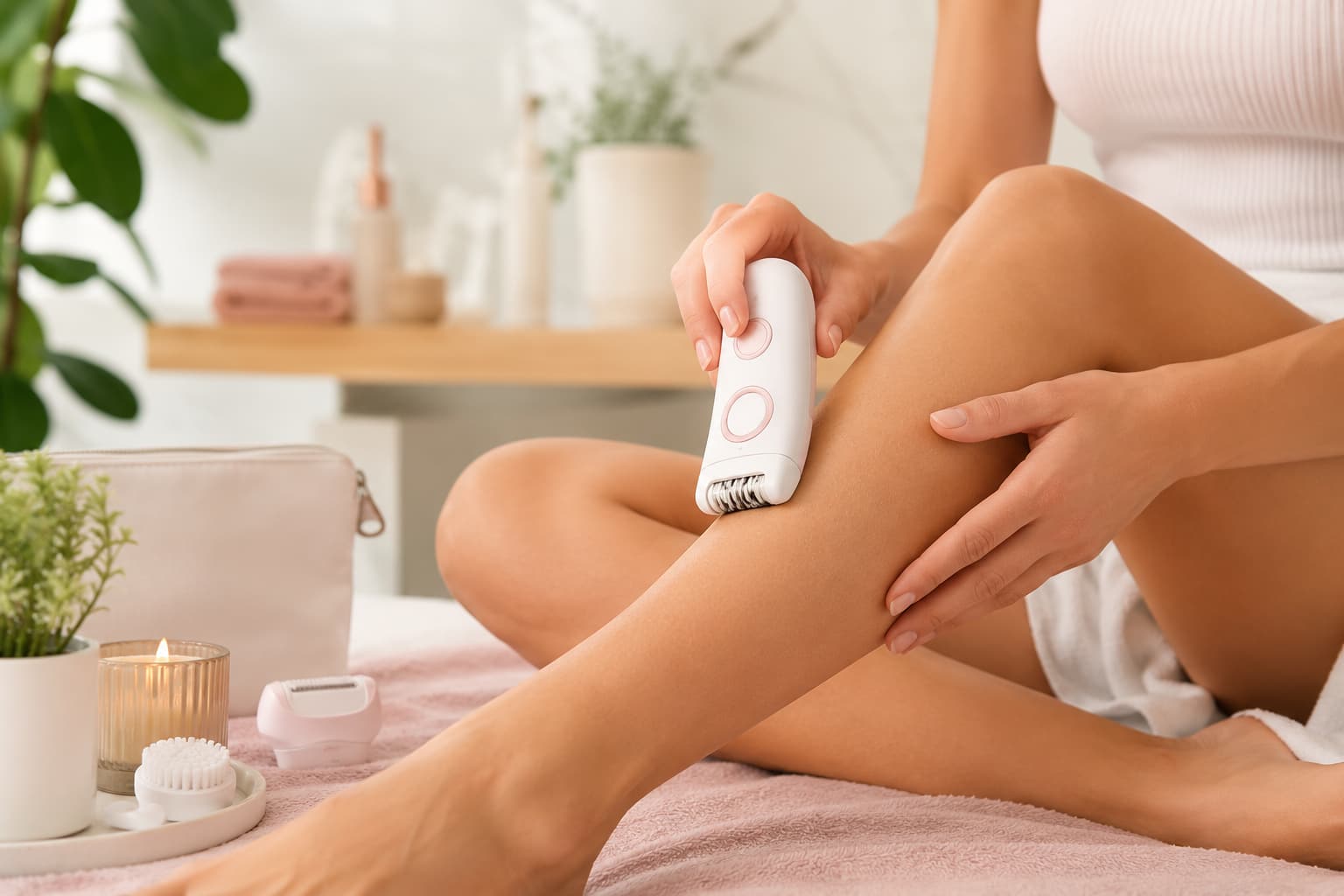
Using an epilator for the first time can feel scary. You may wonder if it will hurt, how fast you should move it, whether your skin will turn red or which body area is safest to start with. These are normal beginner questions. An epilator removes hair from the root using tiny rotating tweezers. That is why results usually last longer than shaving. Instead of cutting hair at the surface, it pulls the hair out from the root so regrowth takes more time.
The first session is usually the hardest. Your skin is not used to the feeling yet, your hair may be longer than ideal and your technique may not be perfect but once you learn how to use an epilator correctly, the process becomes much easier. This guide explains the complete beginner routine, from skin prep to epilator angle, speed settings, pain control, body area tips and aftercare.
Quick Beginner Checklist
| Step | What to Do | Why It Matters |
| 1 | Trim long hair first | Long hair pulls harder and hurts more |
| 2 | Exfoliate gently before use | Helps reduce trapped hair and bumps |
| 3 | Start with lower legs | Easier and less sensitive for beginners |
| 4 | Hold skin taut | Reduces pulling and discomfort |
| 5 | Move slowly | Helps the epilator catch hair properly |
| 6 | Use low speed first | Gives your skin time to adjust |
| 7 | Moisturize after | Helps calm dryness and redness |
| 8 | Clean the epilator | Keeps the device hygienic for next use |
What Is an Epilator?
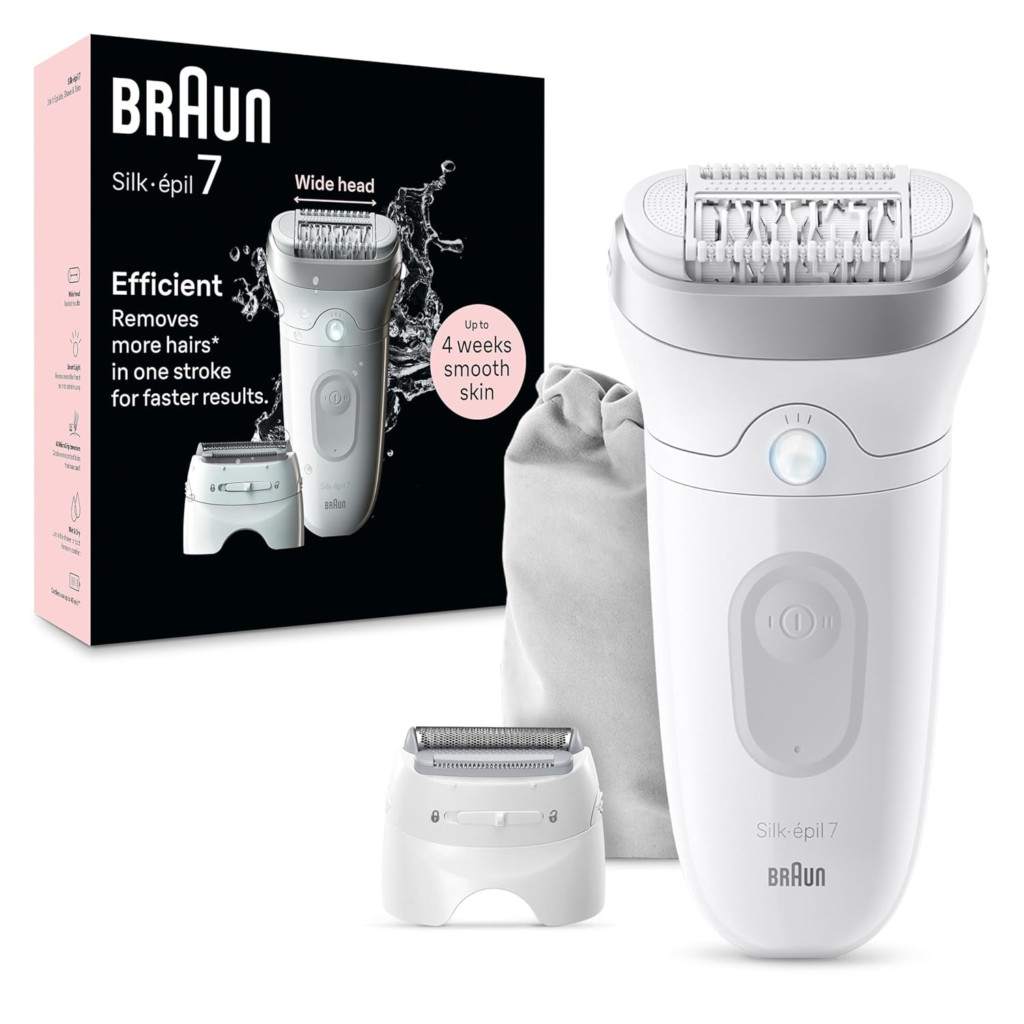
An epilator is an electric hair removal device that pulls hair from the root. The head has small tweezers that rotate quickly and grab hairs as the device moves across your skin. Epilators are commonly used on legs, arms, underarms and some body areas. Some smaller devices are designed for facial hair. A full size body epilator should not be used on the face unless the manual clearly says it is safe.
If you have not bought a device yet, check the best epilators of 2026 before choosing one. Beginners should look for comfort features like wet and dry use, speed settings, massage cap, sensitive area cap and an easy to clean head.
Is Epilation Good for Beginners?
Yes, beginners can use an epilator but the first session needs patience. Do not start on the most sensitive area. Do not rush. Do not expect completely painless hair removal. The best beginner area is usually the lower legs. The skin is easier to stretch, the pain is more manageable and you can clearly see what you are doing.
If you are worried about pain, read about does epilating hurt before your first session. Knowing what to expect makes the process less stressful.
How Long Should Hair Be Before Epilating?
Hair should be short enough for the epilator to grip without pulling too harshly. If the hair is too long, trim it first. Long hair can make epilation much more painful. It can also make the device tug instead of removing hair cleanly. If you have not shaved or trimmed for a while, use a body trimmer first. Wait until the hair is short but still visible enough for the epilator to catch.
Should You Shower Before Epilating?
A warm shower before epilation can help. Warm water softens the skin and can make the pulling sensation feel less sharp. If your epilator is wet and dry, you may also use it in the shower or bath if the manual allows it. Dry epilation can be more effective because hair is easier to see. Wet epilation can feel more comfortable. Beginners with sensitive skin often prefer wet use at first.
If your skin reacts easily, the best epilators for sensitive skin are usually better than basic dry only models because they give more comfort and control.
How to Use an Epilator Step by Step
Step 1: Choose the Right Time
Epilate at night if possible. Redness is common after epilation, especially for beginners. Night time gives your skin several hours to calm down before you go outside or wear tight clothing. Avoid epilating right before an event. Your skin may look red or feel tender for a few hours.
Step 2: Clean the Epilator
Before starting, make sure the epilator head is clean. Use the cleaning brush that comes with the device. If the head is washable, rinse it only according to the manual. A clean epilator is important because epilation removes hair from the root. Dirty tools can make irritation more likely.
Step 3: Trim Long Hair
If your hair is long, trim it first. This is one of the biggest beginner mistakes. Long hair pulls harder and makes the session more painful. For legs or arms, trim hair short enough that the epilator can grip it cleanly. Do not shave right before epilation because the epilator needs some hair length to catch.
Step 4: Exfoliate Gently
Exfoliate gently before epilation, preferably the day before. The goal is to remove dead skin cells so hair can come out more easily. Do not scrub aggressively right before epilation. Harsh exfoliation can make your skin sensitive before you even start.
Step 5: Wash and Dry the Skin
If you are using a dry epilator, make sure your skin is clean and fully dry. Dry skin helps the epilator grip hair better. If you are using a wet and dry epilator in the shower, follow the manual. Some devices work better with wet skin, while others need the skin to be dry.
Step 6: Start With the Lowest Speed
Most beginners should start with the lowest speed setting. It may take longer, but it feels easier to control. Once you become comfortable, you can use a higher speed on larger areas like legs. For sensitive areas, low speed is usually better.
Step 7: Hold the Skin Taut
Use your free hand to stretch the skin gently. This makes a big difference. Loose skin can move with the device, which makes epilation hurt more. Taut skin helps the tweezers grab hair more cleanly.
Step 8: Hold the Epilator at the Right Angle
Hold the epilator at about a 90 degree angle to your skin unless your device manual says otherwise. Do not press hard. Let the tweezers do the work. Pressing harder does not remove hair better. It can make the skin more irritated.
Step 9: Move Slowly Against Hair Growth
Move the epilator slowly against the direction of hair growth, unless your manual gives different instructions. Slow movement helps the device catch hair properly. If you move too fast, the epilator may miss hairs. Then you may need to go over the same area again, which can cause more redness.
Step 10: Pause When Needed
You do not have to finish everything in one session. If the pain feels too strong, pause. Beginners can epilate one small area at a time. It is better to build tolerance slowly than force yourself through a painful session.
Step 11: Check for Missed Hairs
After one pass, check the area. If you see missed hairs, do one slow second pass only where needed. Do not keep going over the same area again and again. Repeated passes can make the skin red and sore.
Step 12: Clean the Skin After
After epilation, rinse the skin gently if needed. Pat dry with a clean towel. Do not rub hard. Your skin may look red or bumpy. This is common for beginners and usually calms down.
Step 13: Moisturize Gently
Use a gentle fragrance free moisturizer after the skin calms. Avoid perfume, strong acids, retinol, deodorant or harsh products right after epilation. For underarms, wait before applying deodorant if the skin feels sensitive.
Step 14: Clean the Epilator Again
Remove hair from the epilator head after every use. If the head is washable, rinse it according to the manual. Let it dry fully before storing. This keeps the device ready for your next session.
Best Body Area to Epilate First
Legs
Legs are the best area for beginners. Start with lower legs before moving to thighs. The skin is easier to stretch and the pain is usually more manageable.
Arms
Arms are also beginner friendly, especially if the hair is fine. Move slowly because fine hair may lie flat against the skin.
Underarms
Underarms are more painful. Hair grows in different directions and the skin is softer. Wait until you are comfortable with legs before trying underarms.
Bikini Line
The bikini line can be very sensitive. Do not start there. If you try it later, trim first, use a sensitive cap and work on a small area only.
Face
Use only a facial epilator for facial hair. A large body epilator can be too harsh for upper lip or chin areas.
How to Make Epilation Less Painful
Pain is the biggest reason beginners quit early. The good news is that small changes can help. Try these tips:
- Start with lower legs
- Trim long hair before use
- Take a warm shower first
- Use wet mode if your epilator allows it
- Choose the lowest speed
- Hold skin taut
- Move slowly
- Do not press hard
- Epilate at night
- Use a gentle moisturizer after
The first session may still hurt. That does not mean you are doing it wrong. Your skin simply needs time to adjust.
Wet Epilation vs Dry Epilation for Beginners
Wet Epilation
Wet epilation is often more comfortable. Warm water can relax the skin and make the pulling sensation feel less sharp. It is a good option for beginners who are nervous about pain. The downside is that wet hair can be harder to see, so the session may take longer.
Dry Epilation
Dry epilation can be faster and more effective because hair is easier to see. The device may grip better on dry hair. The downside is that dry epilation can feel sharper for beginners.
Which One Is Better?
Choose wet epilation if comfort matters most. Choose dry epilation if you want faster results and can handle the sensation.
What to Apply Before Epilating
Keep your routine simple. Clean skin is better than skin covered with heavy products. Before epilating, you can:
- Wash the area
- Exfoliate gently the day before
- Use warm water to soften the skin
- Dry the skin if using dry mode
Avoid applying heavy lotion, body oil or thick cream right before dry epilation. These products can make hair slippery and harder to grip.
What to Apply After Epilating
After epilation, the skin needs calming. Use gentle products only. Good options include:
- Fragrance free moisturizer
- Aloe based soothing gel
- Lightweight calming lotion
- Simple body lotion for sensitive skin
Avoid these right after epilation:
- Perfume
- Deodorant on irritated underarms
- Retinol
- Strong acids
- Harsh scrubs
- Tanning products
- Heavy body oils
- Tight clothing on fresh skin
Common Beginner Mistakes
Mistake 1: Starting With Sensitive Areas
Do not start with underarms, bikini line or upper lip. Start with legs first.
Mistake 2: Epilating Long Hair
Long hair hurts more. Trim it before starting.
Mistake 3: Moving Too Fast
Moving too fast causes missed hairs. Slow movement works better.
Mistake 4: Pressing Too Hard
An epilator should touch the skin, not dig into it. Pressing hard can irritate the skin.
Mistake 5: Skipping Skin Stretching
Holding the skin taut reduces discomfort and helps the device work better.
Mistake 6: Repeating Too Many Passes
Going over the same spot many times can cause redness and bumps.
Mistake 7: Using Harsh Products After
Freshly epilated skin is sensitive. Keep aftercare gentle.
Mistake 8: Not Cleaning the Device
Hair and skin buildup can collect in the head. Clean the epilator after every session.
How Often Should Beginners Epilate?
Most beginners can epilate every 2 to 4 weeks, depending on hair growth. In the beginning, you may notice regrowth at different times because hair grows in cycles. Do not epilate daily. Give your skin time to recover. If you see a few missed hairs, wait until the skin calms before doing another pass.
Once you build a routine, maintenance becomes easier because you remove less hair each time.
Is Redness Normal After Epilating?
Yes, redness is common. Small red dots can appear where hair was pulled from the root. This is normal for many beginners. Redness usually calms down within a few hours. Epilating at night helps because your skin has time to recover while you sleep. If redness becomes painful, swollen, hot or lasts too long, stop using the epilator on that area and treat the skin gently.
How to Avoid Ingrown Hairs
Ingrown hairs can happen when hair grows back under the skin. Epilation may cause ingrown hairs if dead skin blocks the hair from growing out properly. To reduce ingrown hairs:
- Exfoliate gently between sessions
- Moisturize regularly
- Avoid tight clothing right after epilation
- Keep the epilator clean
- Do not pick at bumps
- Avoid repeated passes
- Let irritated skin heal before epilating again
Should You Shave Before Using an Epilator?
Do not shave right before epilation because the epilator needs hair to grab. But if your hair is very long, you can trim it shorter. Some beginners shave a few days before epilation so the hair grows back short. This can work if you time it correctly.
Should You Use an Epilator Every Day?
No, daily epilation is usually not necessary. It can irritate the skin. Wait until enough hair grows back for the device to grip. Most people use an epilator every few weeks. Touchups may be needed sooner in the beginning because hair grows in different cycles.
Amazon CTA: Ready to Start Epilating?
If you are new to epilation, choose a beginner friendly device with speed settings, wet and dry use, a sensitive cap and easy cleaning. A gentle model can make the first few sessions much easier.
See Beginner Friendly Epilators on Amazon
Final Verdict: How to Use an Epilator Correctly
The best way to use an epilator is to start slow, prepare your skin and choose the easiest body area first. Lower legs are the safest beginner area. Trim long hair, exfoliate gently, hold skin taut and move the device slowly. Do not rush. Do not press hard. Do not start with sensitive areas. After epilation, soothe your skin and clean the device.
Epilation can hurt at first but proper technique makes a big difference. Once you learn the routine, it can become a simple at home method for longer lasting smooth skin.
Amazon Associate Disclosure: As an Amazon Associate I earn from qualifying purchases. This does not affect the price you pay.
FAQs
Is it better to epilate wet or dry?
Wet epilation can feel more comfortable for beginners. Dry epilation can be faster because hair is easier to see. The better option depends on your pain tolerance and device type.
Should I shower before using an epilator?
Yes, a warm shower before epilation can help soften the skin. If you use dry mode, dry your skin fully before starting.
How do beginners use an epilator?
Beginners should start with lower legs, trim long hair, use low speed, hold skin taut and move the epilator slowly.
Do you epilate with or against hair growth?
Most epilators are used against the direction of hair growth, but always check your device manual.
Should I moisturize before epilating?
Avoid heavy moisturizer before dry epilation because it can make hair slippery. Moisturize after epilation once the skin calms.
Why does my skin turn red after epilating?
Redness happens because hair is pulled from the root. It is common for beginners and usually calms down within a few hours.
Can I epilate my underarms as a beginner?
It is better to start with legs first. Underarms are more sensitive and can hurt more.
How often should I use an epilator?
Most people epilate every 2 to 4 weeks. Your timing depends on hair growth and skin recovery.
Can I epilate long hair?
It is better to trim long hair first. Long hair can pull harder and make epilation more painful.
What should I avoid after epilating?
Avoid perfume, deodorant on irritated skin, harsh scrubs, tight clothing and strong skincare products right after epilation.