At some point, almost every man who shaves starts questioning whether the cartridge razor he has been using his whole life is actually the best tool for the job. The refill packs keep getting more expensive. The shave quality seems to plateau no matter how many blades they add to the cartridge. The skin irritation after every shave feels like it should not be this normal.
Then someone mentions safety razors.
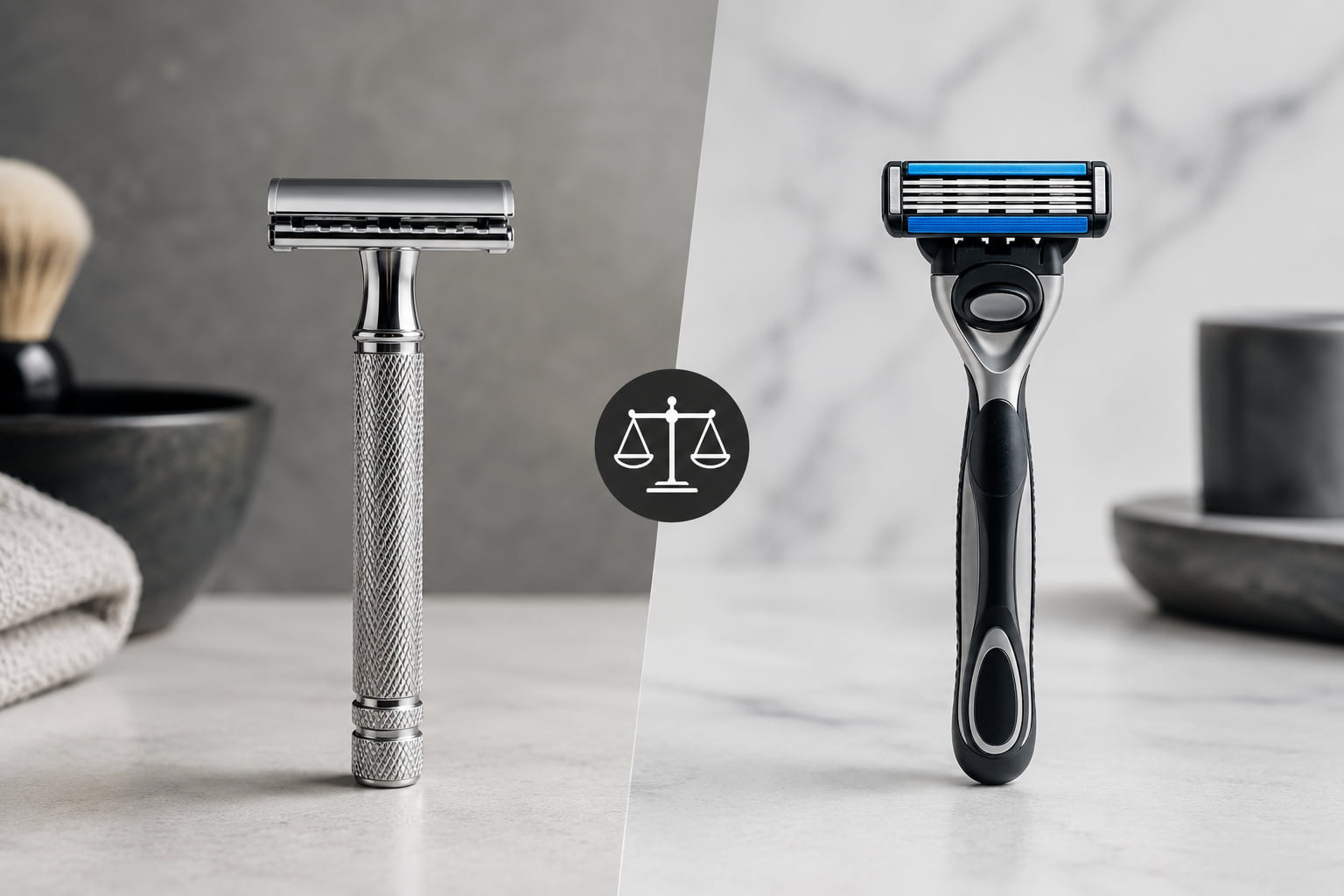
The safety razor vs cartridge razor debate has been going on in barbershops, forums, and grooming communities for decades. Both sides have genuine arguments. Both tools have real strengths. The goal of this guide is not to tell you what to think, it is to give you every piece of information you need to make the decision yourself, based on your skin, your budget, your habits, and your priorities.
By the end of this article, you will know exactly what each razor type offers, where each falls short, and whether making the switch is genuinely worth it for you specifically.
Quick Comparison: Safety Razor vs Cartridge Razor at a Glance
| Factor | Safety Razor | Cartridge Razor |
| Upfront Cost | $20 — $150+ | $8 — $30 |
| Ongoing Blade Cost | $0.10 — $0.50 per blade | $3 — $8 per cartridge |
| Annual Cost (estimate) | $15 — $30 | $100 — $300 |
| Learning Curve | Moderate (1 — 2 weeks) | Minimal |
| Shave Closeness | Very close with technique | Close |
| Skin Irritation | Low once technique is learned | Moderate to high |
| Ingrown Hair Risk | Low | Moderate to high |
| Environmental Impact | Very low | High |
| Durability | Decades | Months to years |
| Convenience | Moderate | High |
What Is a Cartridge Razor?
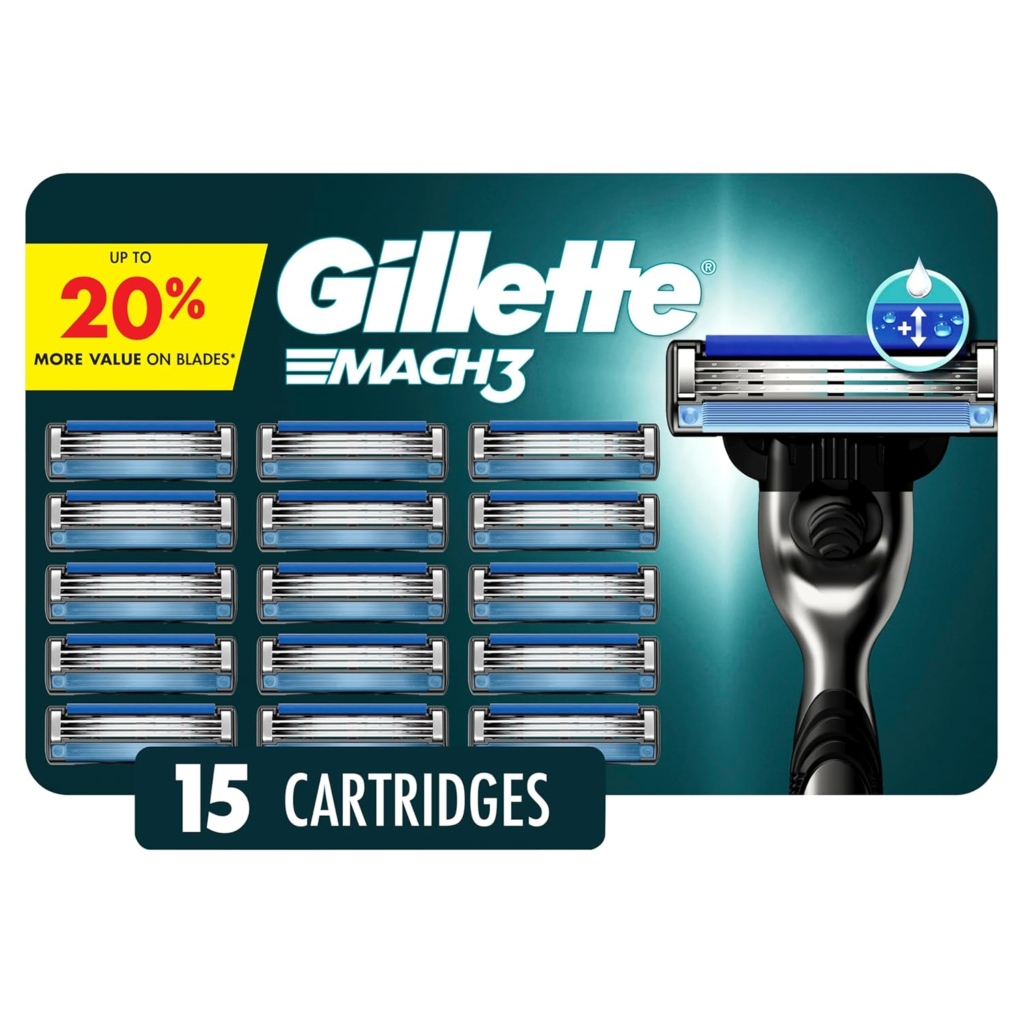
A cartridge razor is the type of razor most men grow up using. The handle is reusable or at least semi-reusable and the blade head is a replaceable cartridge that clips on and off. Modern cartridge razors typically feature two to six blades stacked closely together, a lubricating strip above or below the blades, and a pivoting head that adjusts to facial contours automatically.
The design philosophy behind cartridge razors is convenience and forgiveness. They are engineered to deliver an acceptable shave with minimal technique required. The pivoting head means you do not need to think about angle. The lubricating strip reduces friction enough to compensate for moderate pressure mistakes. The multiple blades increase the chance that at least some of them cut effectively regardless of how you hold the razor.
Major cartridge razor brands include Gillette, Schick, Wilkinson Sword, BIC, and Harry’s. These companies invest heavily in marketing and product development, and their razors are available in virtually every pharmacy, supermarket, and convenience store on the planet.
👉 Check Safety Razor Prices on Amazon
How Cartridge Razors Work
The multiple-blade design works on a principle called hysteresis. The first blade in a cartridge lifts the hair slightly above the skin surface before cutting it. The second and subsequent blades cut it progressively shorter, with the final blade cutting below the skin surface level. This is how cartridge razors achieve the very close initial shave that their marketing emphasizes.
The problem is the second half of that equation. When a hair is cut below the skin surface, it can retract fully beneath the skin as it relaxes after the shave. As it grows back, it sometimes curls back into the skin rather than breaking through cleanly, which causes ingrown hairs and razor bumps. This is the root cause of the chronic irritation and bumps that many cartridge razor users accept as an unavoidable feature of shaving.
What Is a Safety Razor?
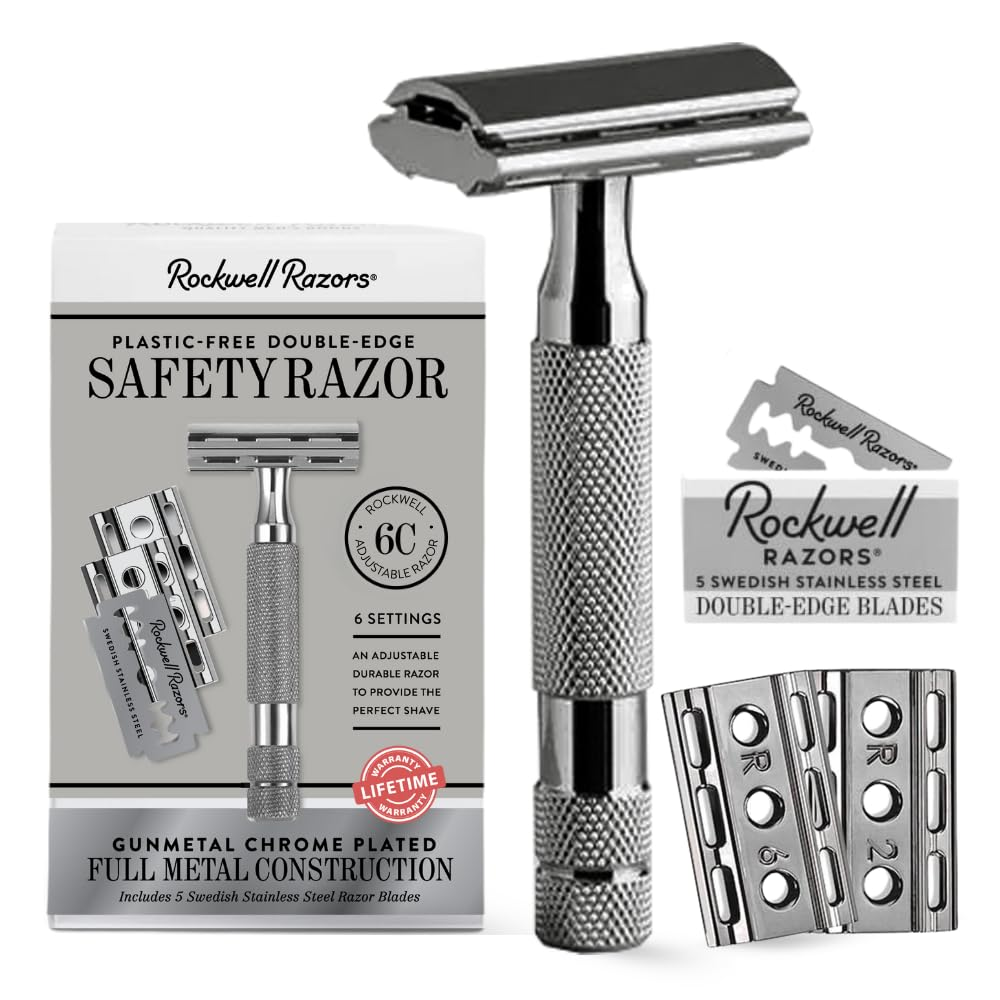
A safety razor uses a single double edge blade held in a metal head. The blade is replaceable and inexpensive, a pack of 100 blades typically costs between $10 and $20. The razor itself is a one-time purchase that, with basic care, lasts for years or decades.
Unlike cartridge razors, safety razors do not pivot automatically. The angle is controlled entirely by the user, which is why technique matters. The single blade cuts at the skin surface rather than below it, which is what reduces ingrown hairs and razor bumps for most users.
Best safety razors of 2026 range from mild beginner options like the Merkur 34C and Edwin Jagger DE89 all the way to premium precision instruments like the Feather AS-D2 and Karve Christopher Bradley. The variety available is enormous, and understanding the different types is important before buying. The full breakdown of what is available is covered in the best safety razors of 2026 guide on this site.
👉 Check Safety Razor Prices on Amazon
How Safety Razors Work
A safety razor works by exposing a precise amount of blade edge above the safety bar or comb of the razor head. This exposure, called the blade gap, determines how aggressively the razor cuts. A small gap is mild and forgiving. A larger gap is more aggressive and efficient but less forgiving of technique errors.
The user controls the angle to position the blade at approximately 30 degrees against the skin. With the weight of the razor doing the work and zero added pressure from the hand, the blade slices through hair cleanly at skin level. The result is a close shave that does not cut hair below the skin surface, which is why ingrown hairs are far less common with safety razor use.
The Cost Comparison: Year One and Beyond
Cost is one of the most compelling arguments for the safety razor, but the full picture is more nuanced than most comparisons acknowledge.
Year One Costs
In year one, a cartridge razor user typically spends less total money than a safety razor user who is buying a quality razor for the first time. A Gillette Fusion ProGlide handle costs around $10 to $15. A year’s supply of cartridges for an average shaver runs to $80 to $150 depending on how frequently blades are changed.
A safety razor user in year one buys a razor for $30 to $100 depending on the model, plus blade samplers and perhaps a shaving brush and soap. Total year one investment for a properly equipped safety razor setup is often $60 to $150.
So year one costs are roughly comparable, though the safety razor setup often costs slightly more upfront.
Year Two and Beyond
This is where the comparison shifts decisively. From year two onward, the cartridge razor user continues spending $80 to $150 annually on refill cartridges. The safety razor user’s ongoing cost is essentially just blades typically $15 to $30 per year for even a frequent shaver.
By year three, the average safety razor user has saved $200 to $400 compared to the cartridge razor user. By year five, that saving compounds to $400 to $800. Over a lifetime of shaving, the difference is substantial.
The Hidden Cost of Cartridge Razors
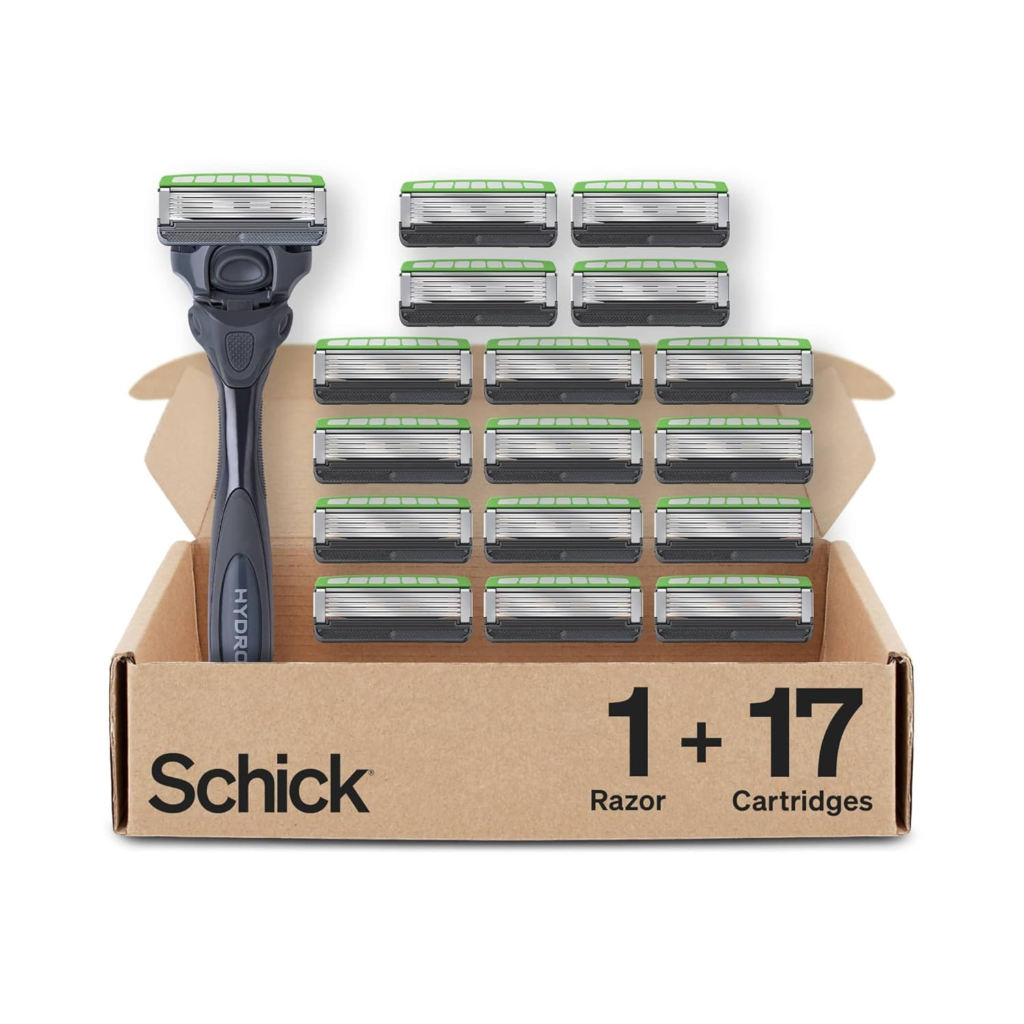
There is also a hidden cost that most cartridge razor users do not account for: razor bumps and ingrown hairs. Chronic skin irritation from cartridge shaving leads many men to buy specialized skincare products, bump treatments, and aftershave products to manage the consequences. These costs add up and are largely eliminated when the root cause, multi-blade subsurface cutting is removed by switching to a safety razor.
👉 Check Safety Razor Prices on Amazon — Start Saving Today
Shave Quality: Which Razor Gives a Better Shave?
This is the question most men care about most, and the honest answer is: it depends on your technique.
Closeness of Shave
A cartridge razor delivers a consistently close shave with very little technique required. The multiple blades, hysteresis effect, and pivoting head combine to produce a shave that is hard to mess up. For a beginner who has never shaved before, a cartridge razor will give a better result on day one than a safety razor.
A safety razor, used with proper technique, delivers a shave that most experienced users describe as noticeably closer and smoother than anything they achieved with a cartridge razor. The difference is most apparent in how the skin feels hours after shaving, safety razor users typically report skin that feels genuinely smooth rather than stubbly by midday.
Smoothness and Skin Feel
The single blade cutting at skin level rather than multiple blades cutting progressively deeper, leaves the skin surface in better condition after shaving. There is less trauma to the follicle, less surface abrasion from multiple blade passes, and no subsurface cutting to cause retracting hairs.
Many men who switch from cartridge to safety razors describe the post-shave experience as genuinely different. Less tightness. Less redness. Less burning. Smoother feel hours later. This is not universal, some men with particularly coarse or dense beards find that the closeness of cartridge shaving is hard to match until they become very skilled with a safety razor but it is the experience the majority of switchers report.
For Sensitive Skin
If you have best safety razors for sensitive skin needs, the safety razor has a clear advantage. The single blade design eliminates the primary mechanical cause of razor burn and ingrown hairs. Men who have dealt with chronic post-shave irritation from cartridge razors often report that it disappears almost entirely within a few weeks of switching.
This is the single most compelling shave quality argument for the safety razor. If your skin is reactive and your current razor is making it worse every day, the switch is almost certainly worth making.
Skin Health: The Ingrown Hair Problem
The ingrown hair and razor bump problem deserves its own section because it is the number one reason dermatologists and skincare professionals recommend safety razors over cartridge razors.
Multi-blade cartridge razors cut hair below the skin surface through hysteresis. This is a feature, not a bug, it is how they achieve such a close shave with so little technique. But the consequence is that hairs can retract below skin level after the shave, and when they grow back, they sometimes curl inward rather than breaking through cleanly.
For men with naturally curly hair, particularly safety razor for Black men who experience razor bumps as a chronic issue, this is not a minor inconvenience. It is a serious skin condition called pseudofolliculitis barbae that causes significant daily discomfort. The single blade safety razor cuts at skin level without pulling the hair below the surface, which is why it is consistently recommended as the solution.
Safety razor ingrown hairs and razor bumps prevention is a topic covered in a dedicated guide on this site. The short version: switching to a single blade safety razor, shaving with the grain, and using proper technique eliminates or dramatically reduces ingrown hairs for the vast majority of men who deal with them.
The Learning Curve: Honest Assessment
This is where the cartridge razor has its strongest argument, and it is worth being honest about it.
Cartridge razors require almost no technique. You wet your face, apply some foam, drag the razor across, rinse. Done. The forgiveness built into the design means that technique mistakes have minimal consequences. Most men shave perfectly adequately with a cartridge razor from the first time they try it.
Safety razors require technique. You need to find and maintain the right angle, approximately 30 degrees from the face. You need to apply zero pressure and let the weight of the razor do the work. You need to understand grain direction and shave with it, at least initially. You need to prepare your skin properly and use quality lather. None of these requirements is difficult, but all of them need to be learned.
The learning period for most men is one to two weeks of consistent daily shaving. During that period, minor nicks are normal, the shave quality may be inconsistent, and the experience can feel frustrating compared to the reliable mediocrity of a cartridge razor.
The payoff for working through that learning curve is a demonstrably better shave, significantly lower ongoing cost, and a grooming routine you will actually look forward to. But the learning curve is real and worth acknowledging honestly.
A complete walkthrough of technique is covered in the how to shave with a safety razor guide on this site. If the learning curve is your primary concern about making the switch, reading that guide before buying will give you a clear picture of what to expect.
Environmental Impact: The Plastic Problem
The environmental argument for safety razors is clear and significant.
A cartridge razor produces substantial plastic waste. The cartridge head is mostly plastic and cannot be easily recycled due to the combination of materials. The handle is typically plastic. The packaging is plastic. A man who shaves daily and changes cartridges every week or two will throw away 25 to 50 cartridge heads per year. Over a lifetime of shaving, that is thousands of pieces of non-recyclable plastic going to landfill.
A safety razor produces virtually no plastic waste. The metal razor lasts decades. The only waste is the blade itself, a small piece of steel that can be collected in a purpose-made blade bank and recycled or safely disposed of. The packaging for blade packs is typically minimal cardboard or paper.
For men who care about environmental impact, this is one of the most straightforward switches available. The best eco-friendly safety razors guide on this site covers the most sustainable options if this is a priority for you.
Convenience: Where Cartridge Razors Win
Cartridge razors are undeniably more convenient. They are available everywhere. They require no technique. They travel easily though standard DE blades are not TSA-approved for carry-on luggage, which is worth knowing. They can be used quickly with minimal preparation.
If your shaving routine is a 90-second task you do in the shower without thinking about it, a cartridge razor fits that routine better than a safety razor. Safety razor shaving at its best involves warm water preparation, quality lather, multiple conscious passes, and post-shave care. It takes longer and requires more attention.
For men who view shaving as a ritual and are willing to give it 10 to 15 minutes, the safety razor offers a better experience. For men who view shaving as a chore to be dispatched as quickly as possible, the convenience argument for cartridge razors is genuine.
The best travel safety razors guide on this site covers TSA-friendly options for men who travel frequently and want the safety razor experience without the carry-on blade restrictions.
Who Should Switch to a Safety Razor?
Based on everything above, here is a straightforward framework for deciding whether the switch makes sense for you.
Switch if:
- You are spending more than $80 per year on cartridge refills and want to reduce that cost
- You experience regular razor burn, ingrown hairs, or razor bumps after shaving
- You have sensitive skin that reacts badly to your current razor
- You care about reducing plastic waste from your grooming routine
- You are willing to invest one to two weeks in learning proper technique
- You enjoy the idea of a more deliberate, ritual-oriented morning shave
- You want a razor that will last decades rather than months
Stick with cartridge if:
- You are completely satisfied with your current shave quality and skin health
- You shave infrequently and the cost savings are not meaningful to you
- You travel constantly and cannot carry blades in your carry-on luggage
- You are genuinely not willing to invest time in learning technique
- You shave in the shower with minimal preparation and want to keep it that way
The Switch: What to Buy First
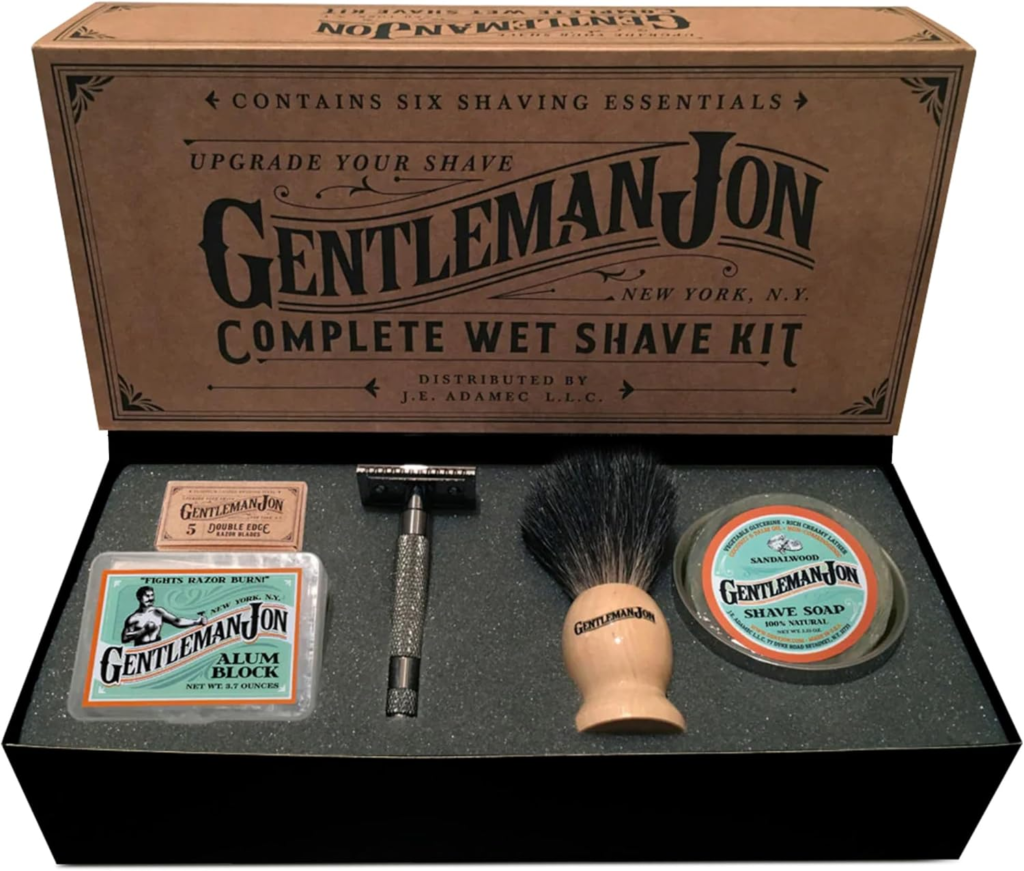
If you have decided the switch is worth making, here is the simplest, most reliable starting point.
Buy a mild safety razor, the Merkur 34C or Edwin Jagger DE89 are the top two recommendations for first-time buyers. Buy a blade sampler pack so you can find the blade that suits your skin and hair type. Buy a quality shaving soap or cream. Read the how to shave with a safety razor guide on this site before your first shave.
Do not start with an aggressive razor. Do not start with the sharpest blade available. Do not skip preparation. Give yourself two weeks of consistent daily shaving before judging results.
If after two weeks you are not getting meaningfully better shaves than your cartridge razor was giving you, you are almost certainly making a technique error rather than a razor error. Revisit the fundamentals angle, pressure, preparation before drawing conclusions.
👉 Shop Beginner Safety Razor Sets on Amazon
Safety Razor vs Cartridge Razor: The Verdict
After examining every angle of the comparison, here is the honest bottom line:
For most men who are willing to invest a modest amount of time in learning technique, the safety razor is the better tool. It delivers a superior shave once technique is established, costs dramatically less over time, causes significantly less skin irritation for most users, and produces a fraction of the environmental waste.
Cartridge razors win on convenience and zero learning curve. If those are your top priorities, the cartridge razor remains a perfectly reasonable choice. But if you have ever questioned whether your current razor is actually serving your skin and your wallet as well as it could be, the answer is almost certainly no and the safety razor is the solution that most men who make the switch wish they had found sooner.
👉 Find the Best Safety Razor for Your Needs on Amazon
AMAZON AFFILIATE DISCLAIMER
This post contains affiliate links. If you purchase through our links, we may earn a small commission at no extra cost to you.
Frequently Asked Questions
Is switching from a cartridge razor to a safety razor hard?
The learning curve is moderate but short. Most men are comfortable and getting good shaves within one to two weeks of consistent daily practice. The key variables are angle, pressure, and preparation all of which are learnable quickly with the right guidance.
Do safety razors give a closer shave than cartridge razors?
With proper technique, yes. The single blade cuts cleanly at the skin surface, and experienced safety razor users consistently report a smoother post-shave result that lasts longer through the day. Beginners may not notice this advantage until technique is solid.
Are safety razors better for sensitive skin than cartridge razors?
For most men with sensitive skin, yes. The single blade design eliminates the subsurface cutting and repeated blade passes that cause the majority of razor burn, ingrown hairs, and post-shave irritation. Many men with chronically reactive skin report significant improvement within the first few weeks of switching.
How much money will I save by switching to a safety razor?
This depends on your current cartridge spending and how often you shave. Most men who shave regularly save $100 to $200 per year from year two onward. Over five years that represents $500 to $1000 in savings for the average daily shaver.
Can I use a safety razor in the shower?
Yes. Many men shave in the shower with a safety razor. You will need a mirror and adequate lighting. The technique is the same as shaving at the sink, the warm shower water provides excellent skin preparation automatically.
Are cartridge razors safer than safety razors?
The word safety in safety razor already addresses this perception. Safety razors are no more dangerous than cartridge razors with basic technique. The learning period involves a higher risk of minor nicks, but these are surface-level and heal quickly. Properly used, both razor types are safe.
What is the best first safety razor to buy?
The Merkur 34C is the most widely recommended first safety razor for men switching from cartridge razors. It is mild, well-built, widely available, and works with all standard DE blades. The Edwin Jagger DE89 is an equally strong alternative. Both are covered in detail in the best safety razors of 2026 guide on this site.
Do I need a shaving brush to use a safety razor?
You do not strictly need one, but a shaving brush and quality soap or cream produces significantly better lather than applying cream with fingers or using canned foam. Better lather means better lubrication, which means a better shave. The investment in a basic shaving brush is small and worthwhile.