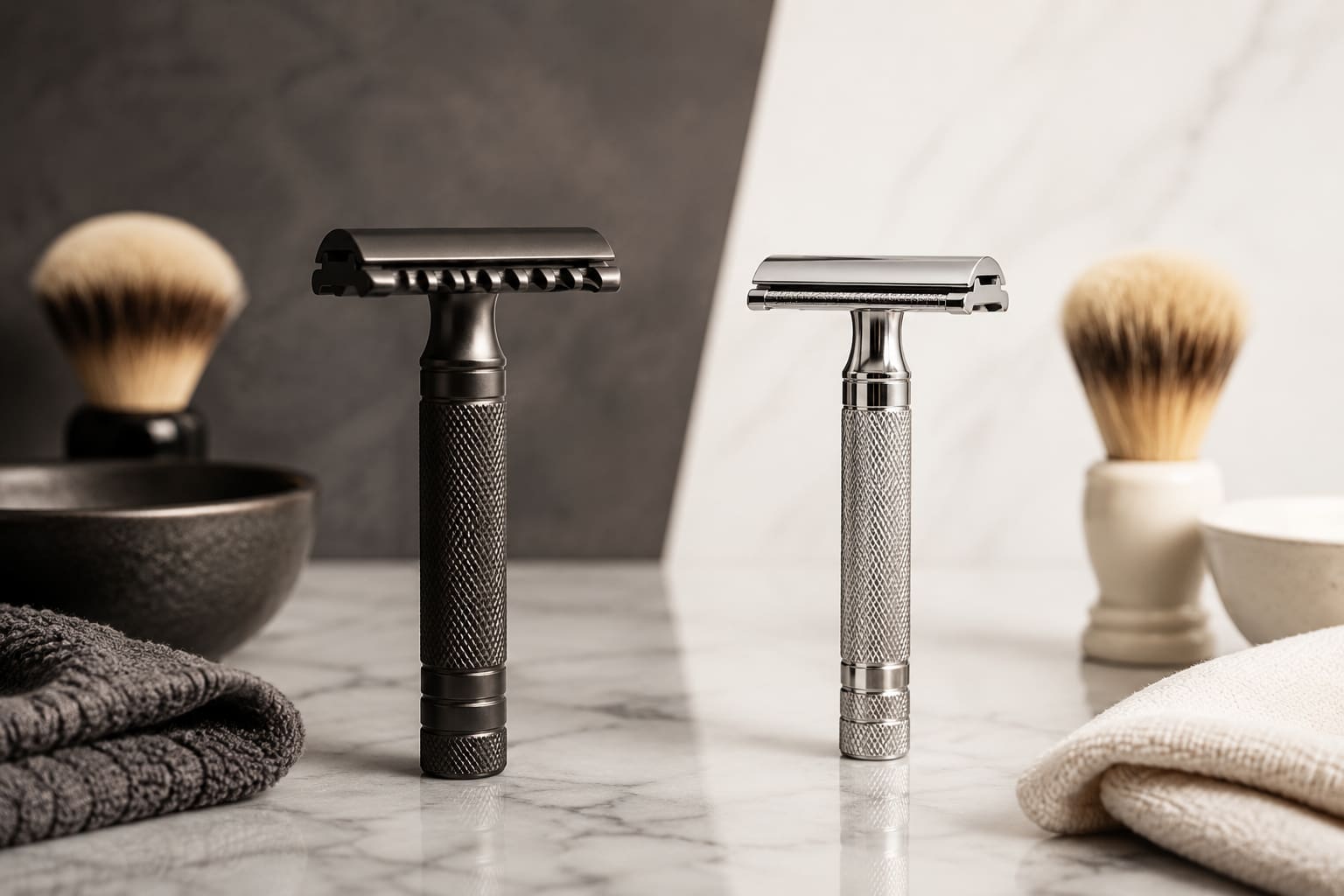
One of the first things you notice when you start exploring the safety razor world seriously is that not all razors shave the same way. Two razors that look nearly identical on a bathroom shelf can deliver completely different shaving experiences. One glides gently across the skin and requires multiple passes to get a close result. The other cuts so efficiently that a single pass leaves you wondering why you ever needed a second one but punishes even a small technique error with a nick or a patch of irritation.
This difference comes down to aggressiveness. Understanding what aggressiveness means in a safety razor context, what causes it, and which level suits your specific combination of beard type, skin sensitivity, and technique is one of the most important pieces of knowledge any wet shaver can develop.
This guide covers everything you need to know about aggressive vs mild safety razors. By the end, you will know exactly where on the aggressiveness spectrum you should be shopping and why.
Quick Reference: Aggressive vs Mild Safety Razors at a Glance
| Factor | Mild Razor | Medium Razor | Aggressive Razor |
| Blade Exposure | Low | Moderate | High |
| Blade Gap | Small | Medium | Large |
| Forgiveness | High | Moderate | Low |
| Cutting Efficiency | Moderate | Good | Very High |
| Passes Needed | 2 to 3 | 2 | 1 to 2 |
| Best Skin Type | Sensitive | Normal | Tough / Experienced |
| Best Beard Type | Fine / Medium | Medium / Coarse | Coarse / Dense |
| Learning Curve | Low | Moderate | High |
| Cut Risk | Low | Moderate | High without technique |
| Examples | Merkur 34C, Edwin Jagger DE89 | RazoRock Game Changer 0.84 | Merkur 39C, Open Comb Designs |
What Does Aggressiveness Actually Mean?
The word aggressive in razor terminology does not mean dangerous. It refers to a specific set of geometric measurements in the razor head that determine how much of the blade is exposed to the skin during a shave. A more aggressive razor exposes more blade, cuts more hair in fewer strokes, and requires more precise technique to use comfortably. A milder razor exposes less blade, is more forgiving, and suits beginners and sensitive skin better.
There are three primary factors that determine aggressiveness.
Blade Gap
The blade gap is the distance between the edge of the blade and the top of the safety bar directly below it. A larger gap means more blade is exposed above the skin surface during shaving, which increases cutting efficiency and aggressiveness. A smaller gap means the blade is more protected by the safety bar, which reduces aggressiveness and increases forgiveness.
Most beginners cannot see the blade gap difference between razors without measuring it, but they feel it immediately on the skin. A mild razor with a gap of around 0.5mm feels completely different from an aggressive razor with a gap of 1.0mm or more.
Blade Exposure
Blade exposure refers to how far the blade edge protrudes beyond the safety bar when viewed from the front. Positive blade exposure means the blade sits proud of the bar, it reaches slightly further toward the skin which increases aggressiveness. Neutral exposure means the blade edge and the bar are level. Negative exposure means the blade is slightly recessed behind the bar, which creates the mildest possible shave geometry.
Most mild razors have neutral to slightly negative exposure. Most aggressive razors have clearly positive exposure. This single measurement has more impact on how a razor feels on the skin than any other geometric factor.
Shave Angle
The angle at which the blade meets the skin is partly determined by the razor’s head geometry. Some razor designs force a more tangential blade angle against the skin, which reduces aggressiveness even with a larger gap. Others position the blade more directly against the skin surface, which amplifies the cutting action. This is why two razors with similar blade gaps can feel significantly different in practice.
The Aggressiveness Spectrum: From Mildest to Most Aggressive
Safety razors span a wide range of aggressiveness levels. Here is how the major categories map to specific razor types and use cases.
Ultra-Mild
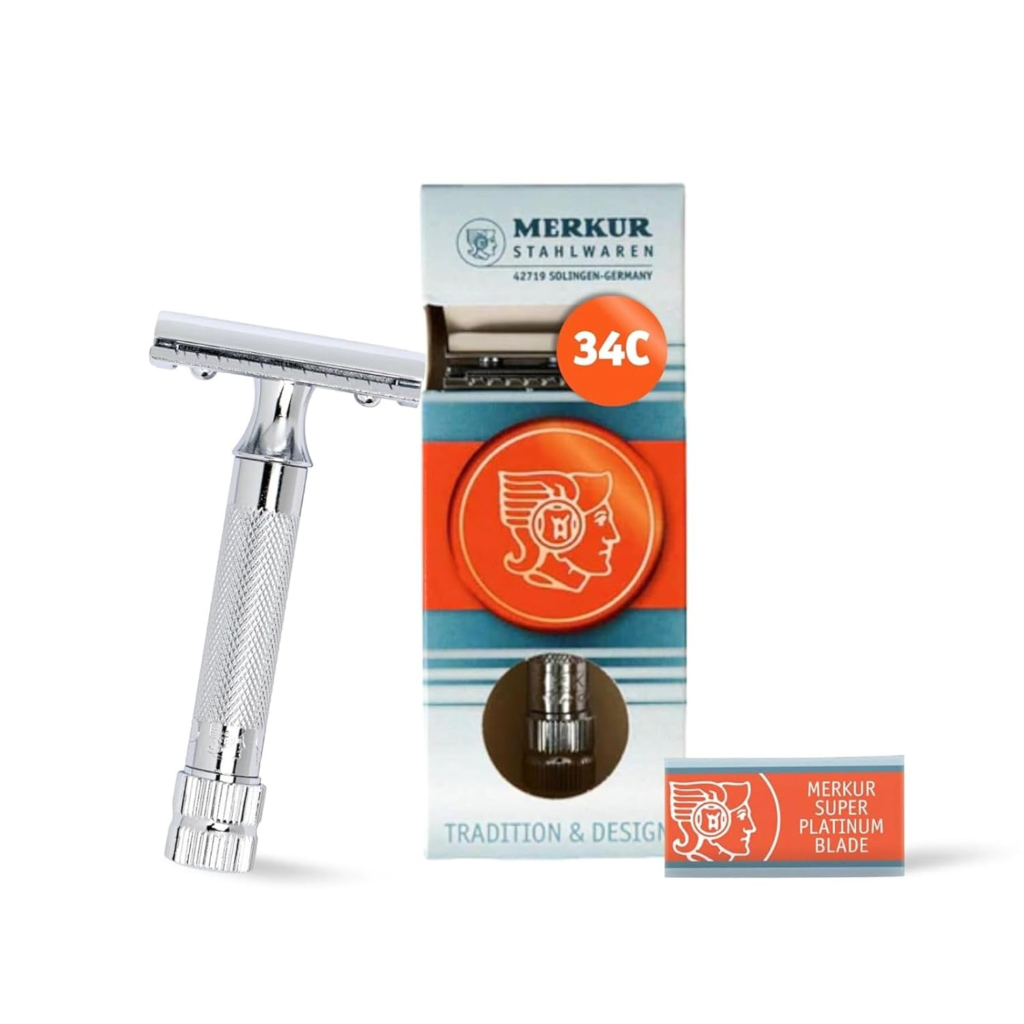
Ultra-mild razors have the smallest blade gap and most negative blade exposure available. They are extremely forgiving of technique errors and virtually eliminate the risk of cuts for shavers who are not pressing hard. The trade-off is efficiency, ultra-mild razors typically require three passes to achieve the closeness that a medium razor delivers in two.
These razors are ideal for absolute beginners, people with highly reactive skin, elderly shavers, or anyone returning to shaving after a long break. They are also the recommended starting point for anyone learning to shave with a how to shave with a safety razor technique for the first time.
Examples: Merkur 34C, Edwin Jagger DE89, Gillette Silver New (vintage), Mühle R89, Parker 99R
👉 Check Merkur 34C Price on Amazon
Mild to Medium
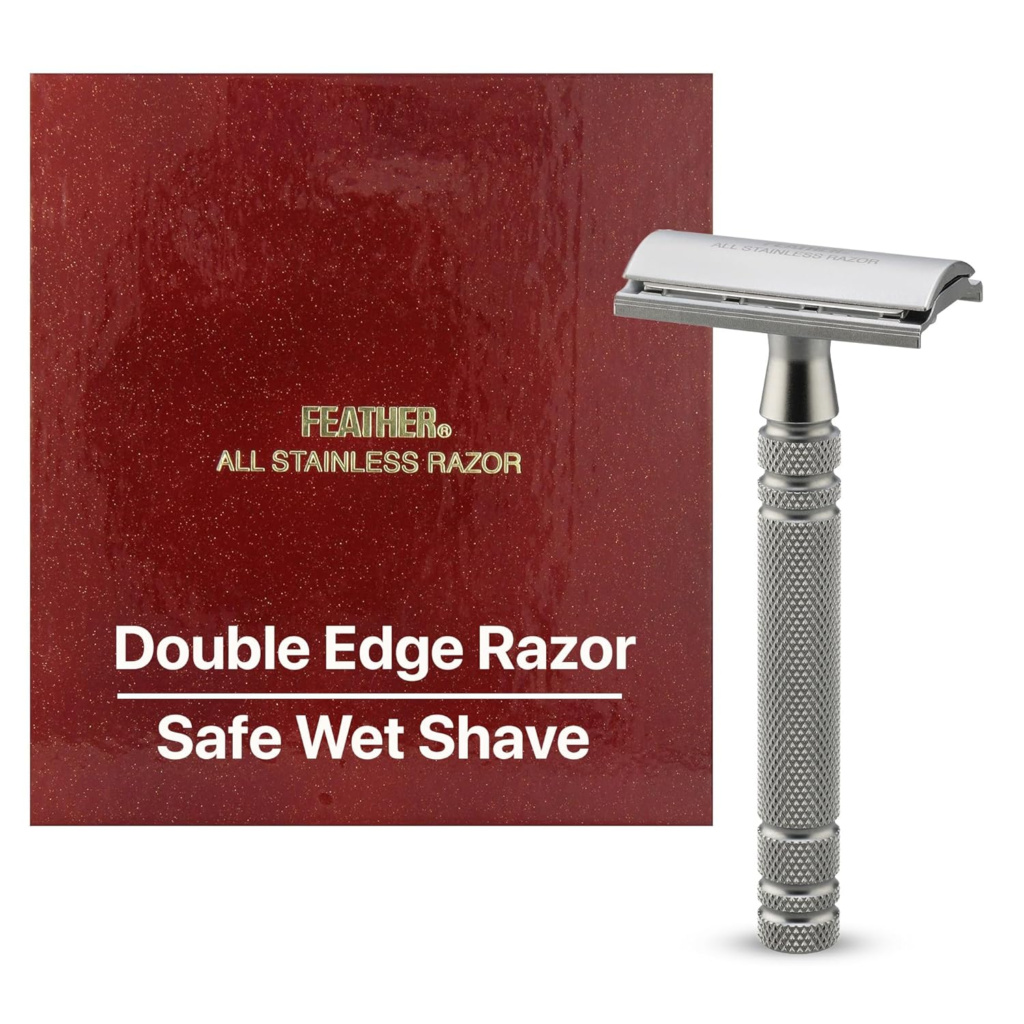
Mild-to-medium razors represent the sweet spot for the largest number of shavers. They have enough efficiency to deliver a close shave in two comfortable passes while remaining forgiving enough to tolerate small technique imperfections. Most experienced everyday shavers settle in this range permanently because it balances performance and comfort optimally.
These razors suit shavers who have completed the beginner learning phase, have medium to coarse beards, and do not have highly reactive skin. They also work well for sensitive skin shavers who have developed solid technique and want slightly more efficiency than ultra-mild razors provide.
Examples: RazoRock Game Changer 0.84, Feather AS-D2, Rockwell 6S Plates 3 and 4, Mühle R41 (mild version)
👉 Check Feather AS-D2 Price on Amazon
Medium to Aggressive
Medium-to-aggressive razors deliver a highly efficient shave in one to two passes and require confident, well-developed technique to use without irritation or cuts. They are not suitable for beginners and should only be approached once a shaver has several months of consistent daily shaving experience.
In the right hands, these razors produce some of the closest and most satisfying shaves available. Men with coarse, dense beards who struggled to get a close enough result from mild razors often find that moving to this range solves the problem entirely.
Examples: RazoRock Game Changer 1.05, Rockwell 6S Plates 5 and 6, Merkur 37C Slant, Karve Christopher Bradley (C or D plate)
Aggressive
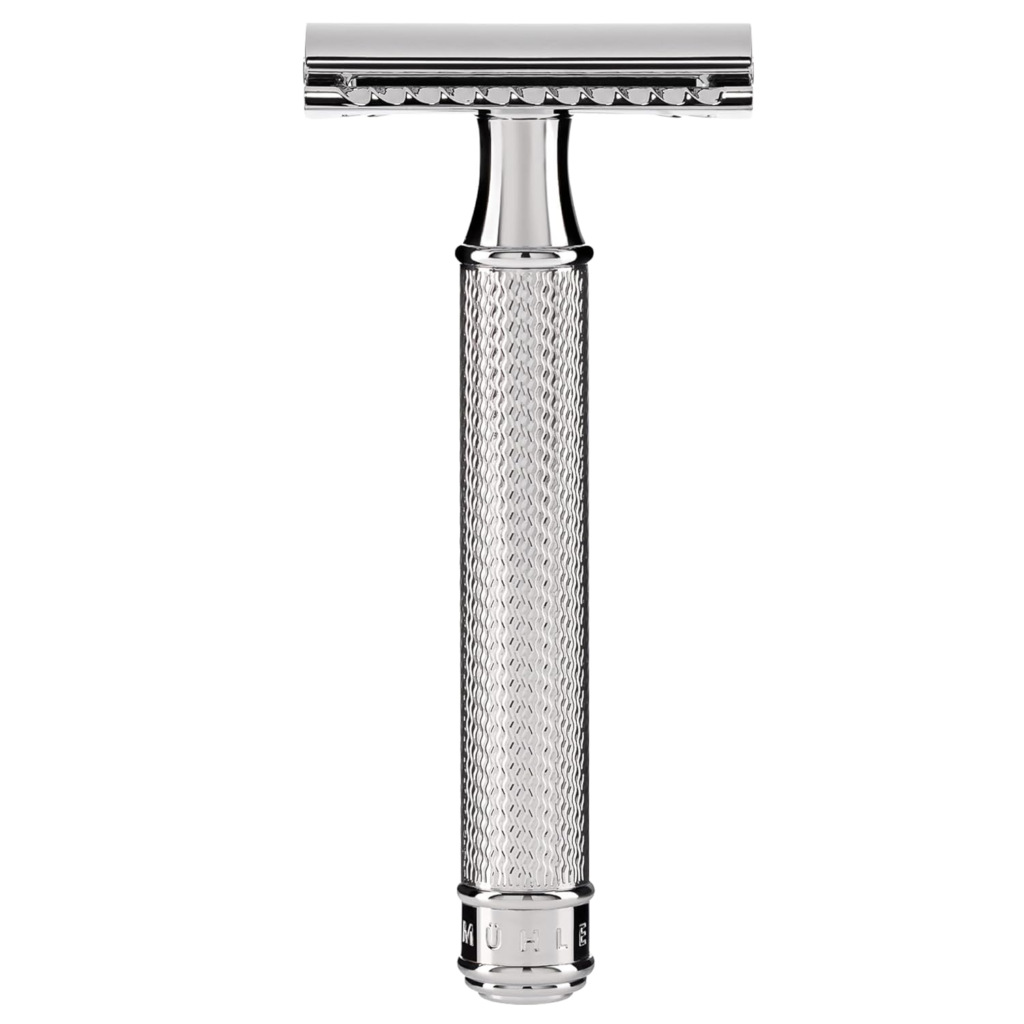
Truly aggressive razors are expert tools. They have large blade gaps, strongly positive blade exposure, and require highly refined technique to use without irritation. In the hands of an experienced shaver who has their angle and pressure completely dialed in, they deliver extraordinary efficiency and closeness. A single with-the-grain pass can leave skin as smooth as two passes from a mild razor.
These razors are not recommended for anyone without at least six to twelve months of consistent safety razor experience. They are also generally not recommended for sensitive skin regardless of technique level, though individual results vary.
Examples: Merkur 39C Slant, Muhle R41, Ikon 101 Open Comb, vintage Gillette NEW Long Comb
👉 Check Mühle R89 Price on Amazon
Mild Razors: Full Analysis
What Makes a Razor Mild
A mild razor combines a small blade gap, neutral or negative blade exposure, and a head geometry that places the blade tangentially against the skin. The safety bar does most of the skin-stretching work, creating a smooth surface for the blade to travel across while keeping the blade well-protected.
The result is a razor that is highly forgiving of angle and pressure variations. If you hold a mild razor at 25 degrees instead of 30, or if you apply slightly more pressure than you should in a particular stroke, the consequences are minimal. This is why mild razors are universally recommended as the starting point for all beginners.
Who Should Use a Mild Razor
Mild razors are the right choice for the following shavers:
Beginners who are still developing technique should always start with a mild razor. The forgiveness built into the design creates a safe environment to learn angle, pressure, and grain direction without the constant feedback of cuts and irritation that an aggressive razor would provide.
Shavers with sensitive skin benefit from mild razors at every skill level. Even an experienced shaver with reactive skin will often find that a mild razor causes significantly less post-shave irritation than a more aggressive alternative. The best safety razors for sensitive skin category is dominated by mild razors for this reason.
Men with fine or medium beards often find that mild razors deliver a perfectly adequate close shave without needing to step up in aggressiveness. Fine hair cuts easily regardless of blade gap, which means the efficiency advantage of an aggressive razor is not needed.
Casual shavers who shave every two to three days rather than daily will find that mild razors handle the shorter growth well. Aggressive razors become more useful when dealing with longer growth that requires more cutting power to clear efficiently.
Limitations of Mild Razors
The primary limitation of a mild razor is efficiency. Men with thick, coarse, or dense beards may find that even three passes with a mild razor leaves a slight roughness that an aggressive razor eliminates in two. This is not a failure of the razor, it is simply a geometric limitation. The mild blade gap cannot move as much hair per stroke as a larger gap can.
The second limitation is that some experienced shavers find mild razors unsatisfying over time. After developing strong technique, the challenge of a mild razor disappears and the shave can feel routine rather than rewarding. This is when many shavers start exploring the medium and aggressive segments.
Top Mild Razor Recommendations
Merkur 34C — The benchmark mild razor. Short handle, excellent build, consistent performance, works with all blade brands. The starting recommendation for virtually every beginner. Full details in the best safety razors of 2026 guide on this site.
Edwin Jagger DE89 — British-made with excellent quality control and a slightly longer handle than the 34C. One of the best mild razors for sensitive skin in the market. Covered in full in the best safety razors for sensitive skin guide on this site.
Mühle R89 — German-engineered with the same head geometry as the DE89 and a wider range of handle finishes. Slightly more premium aesthetics than the Edwin Jagger at a comparable price.
Parker 99R — Budget-friendly mild razor with a long handle and butterfly opening. The best budget safety razors under $30 category recommendation for beginners.
Rockwell 6S (Plates 1 and 2) — Adjustable razor that delivers a mild shave on its lowest settings while offering the flexibility to increase aggressiveness over time. The most versatile entry point for shavers who want room to grow.
Aggressive Razors: Full Analysis
What Makes a Razor Aggressive
An aggressive razor combines a large blade gap, positive blade exposure, and a head geometry that places the blade more directly against the skin surface. Less of the blade is shielded by the safety bar, which means more blade contacts the skin per stroke. This increases cutting efficiency dramatically but also increases the consequence of technique errors.
The positive blade exposure means the cutting edge is actively seeking contact with the skin rather than being held at a slight distance by the bar geometry. A small angle variation that would be inconsequential on a mild razor becomes a nick on an aggressive one.
Who Should Use an Aggressive Razor
Aggressive razors are appropriate for the following shavers:
Experienced shavers with well-developed technique who are consistently getting good shaves with mild or medium razors and want to explore higher efficiency. The key word is consistently, if your shaves are still variable on a mild razor, an aggressive razor will not improve them.
Men with coarse, dense, or thick beards who are not achieving adequate closeness with mild or medium razors. Some beard types simply require more blade exposure to cut efficiently. Best safety razors for coarse hair typically includes medium-to-aggressive options precisely for this reason.
Shavers who are doing single-pass shaving for time efficiency. An aggressive razor can achieve in one pass what a mild razor requires two or three passes to match, which appeals to shavers who want the closest possible result in the shortest possible time.
Head shavers often prefer medium-to-aggressive razors because the density of head hair and the frequent shaving that head shaving requires benefits from higher efficiency. The safety razor for head shaving guide on this site covers this specifically.
Limitations of Aggressive Razors
The primary limitation of an aggressive razor is the consequence of technique errors. Every small deviation from correct angle or pressure is amplified. A slightly too-steep angle that would produce a mild tug on a Merkur 34C can produce a cut on a Muhle R41 or Merkur 39C.
Aggressive razors are also not recommended for sensitive skin in most cases. Even with perfect technique, more blade contact with reactive skin can produce irritation that a mild razor would avoid. There are exceptions, some experienced shavers with sensitive skin prefer mild-to-medium aggressiveness because the efficiency means fewer passes, which reduces cumulative skin contact but aggressive razors and sensitive skin are generally a poor match.
Top Aggressive and Medium-Aggressive Razor Recommendations
RazoRock Game Changer 1.05 The most aggressive version of a respected modern razor. Delivers an extremely efficient shave for experienced shavers wanting maximum closeness. Full stainless steel head.
Merkur 39C Slant A slant-bar design that cuts hair at an angle rather than straight across, which dramatically increases efficiency without requiring an extreme blade gap. One of the most recommended aggressive razors for experienced shavers with coarse beards.
Mühle R41 One of the most aggressive razors commonly available. Not for the faint-hearted. Excellent in experienced hands but genuinely unforgiving of errors.
Karve Christopher Bradley (C or D plate) The medium-to-aggressive plates of the Karve deliver outstanding performance for shavers who want precision-engineered aggressiveness. Full details in the best safety razors of 2026 guide on this site.
Ikon 101 Open Comb A premium open comb razor that delivers aggressive performance with exceptional build quality. Suits experienced shavers with coarse beards.
👉 Check the Best Safety Razors for Sensitive Skin on Amazon
The Adjustable Option: Best of Both Worlds
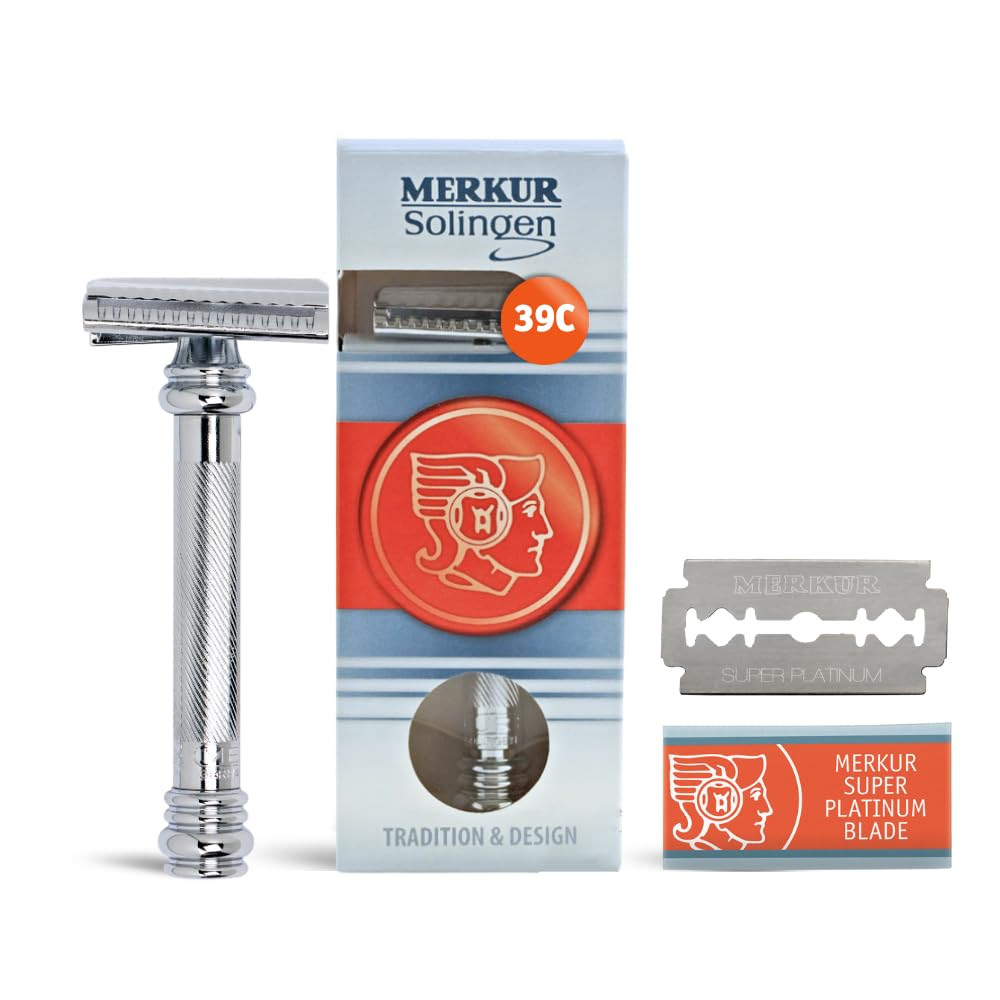
Adjustable safety razors deserve special mention in the aggressive vs mild discussion because they sidestep the decision entirely. An adjustable razor allows you to dial in the aggressiveness level before each shave, which means you can start mild while learning and gradually increase as technique improves without buying a new razor.
The best safety razors of 2026 list includes several adjustable options, with the Rockwell 6S being the most popular modern choice. Vintage adjustables like the Gillette Slim Adjustable and Gillette Super Adjustable also have devoted followings.
The trade-off with adjustable razors is typically cost, they are more expensive than comparable fixed razors and occasionally build complexity. But for shavers who want the flexibility to experiment without committing to a specific aggressiveness level, they are an excellent solution.
👉Check the best safety razor on Amazon
How to Use an Adjustable Razor
Start on the mildest setting, plate 1 on the Rockwell 6S or setting 1 on a vintage adjustable. Use this setting consistently for at least two to three weeks. When shaves are consistently good and comfortable on the mildest setting, increase by one step. Continue this incremental approach until you find the setting that delivers the best balance of closeness and comfort for your specific beard and skin.
Do not jump to the highest setting to test what it feels like. Working up gradually gives your technique time to adapt to each aggressiveness level safely.
How to Decide Which Level Is Right for You
Here is a practical decision framework for choosing the right aggressiveness level.
Start Here: Your Beginner Status
If you are new to safety razors, the answer is always mild. There are no exceptions to this rule worth entertaining. A beginner on a mild razor develops technique in a safe environment. A beginner on an aggressive razor develops technique through a painful series of cuts and irritation that often ends with the razor being abandoned. Start mild, master technique, then reassess.
Your Beard Type
Fine beard, shaves easily: Mild razor is sufficient. No need to step up in aggressiveness.
Medium beard, normal density: Mild-to-medium range. Start mild, assess after two months whether you need more efficiency.
Coarse or dense beard, full coverage: Medium-to-aggressive range once technique is established. Mild razors will work but may require more passes than you want.
Very coarse, wiry, or particularly dense beard: Consider medium-aggressive or aggressive razors after developing solid technique. Best safety razors for coarse hair covers this in detail.
Your Skin Type
Sensitive or reactive skin: Stay mild. The efficiency gains from an aggressive razor are not worth the irritation cost on reactive skin. Mild razors with the right blade and technique deliver excellent results without skin trauma.
Normal skin: Full range available once technique is established. Work up gradually from mild.
Tough or resilient skin: Can handle more aggressive options once technique is solid. The efficiency and closeness gains are most noticeable on tough skin that mild razors sometimes struggle to shave as closely.
Your Technique Level
Less than one month of safety razor experience: Mild only.
One to three months of consistent daily shaving: Still mild, but can begin exploring mild-to-medium.
Three to six months of consistent daily shaving: Mild-to-medium range appropriate. Can try medium options.
Six months or more of consistent daily shaving with good results: Full range available based on beard and skin type.
The Slant Razor: A Different Kind of Aggressive
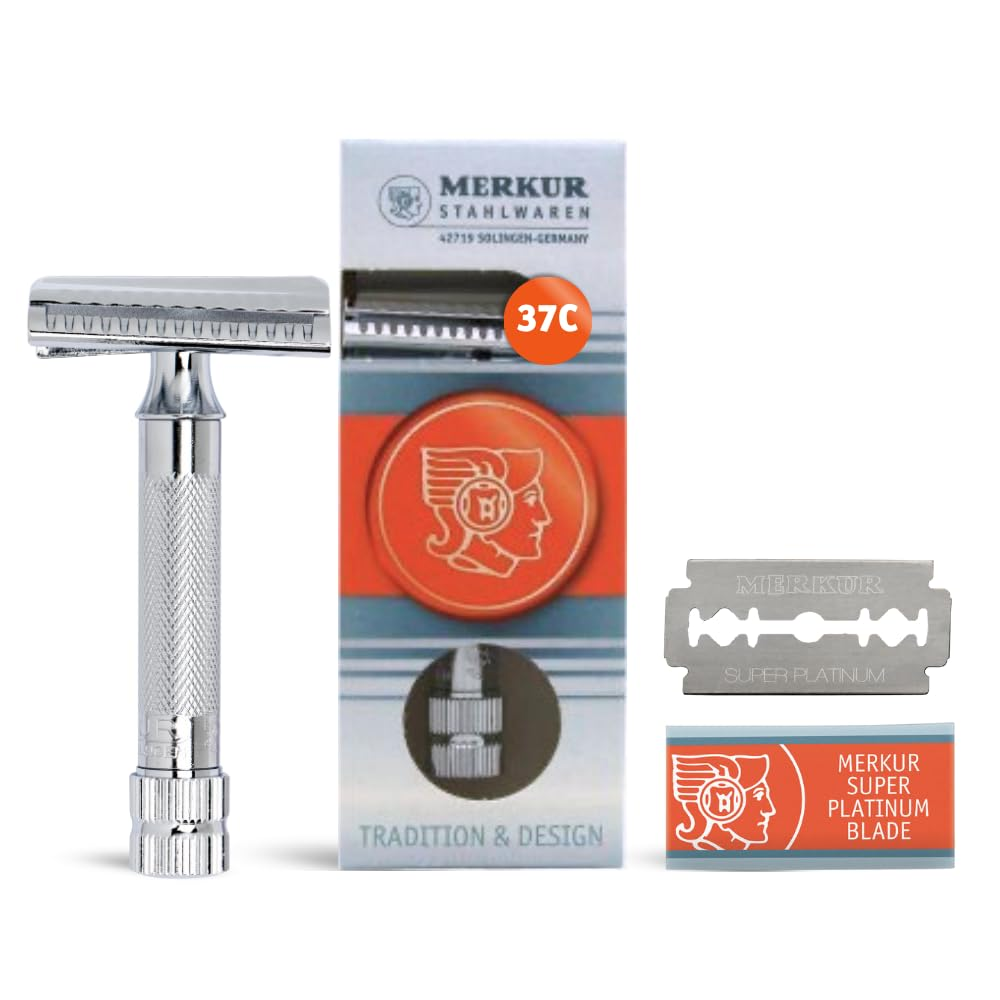
Slant bar razors deserve a separate mention because they achieve aggressiveness through a different mechanism than standard razors. Rather than increasing blade gap, slant razors orient the blade at an angle to the direction of travel, similar to the way a guillotine cuts more efficiently than a straight drop. This slicing action cuts hair more efficiently than a straight cut, which makes slant razors aggressive in terms of results without necessarily having a large blade gap.
The Merkur 37C and 39C are the most popular slant razors. They are a particularly interesting option for men with coarse or wiry beards who want more efficiency but whose skin is too sensitive to tolerate a traditional aggressive razor. The slicing action of the blade causes less skin trauma than the brute-force approach of a large gap razor.
Slant razors require a slightly different technique approach, the angle needs to be found carefully because the angled blade can be tricky to position correctly until it becomes familiar.
👉 Check the Best Slant Razors on Amazon
Common Mistakes When Choosing Aggressiveness
Choosing Aggressiveness Based on Perceived Manliness
There is a tendency in some corners of the wet shaving community to treat aggressive razors as more impressive or skilled than mild ones. This is nonsense. The right razor is the one that delivers the best shave for your specific face, beard, and skin. Many experienced wet shavers who have tried everything from ultra-mild to aggressive settle permanently on mild-to-medium razors because they deliver the best result for them personally.
Jumping to Aggressive Too Soon
This is the most common mistake new safety razor users make after their initial learning phase. They get comfortable on a mild razor, read about aggressive razors, and immediately buy one. Then they get cuts and irritation and conclude that aggressive razors are overhyped. The issue is not the razor, it is the timing. Technique needs to be fully consistent before an aggressive razor will reward you rather than punish you.
Using an Aggressive Razor with an Aggressive Blade
An aggressive razor paired with a very sharp blade like Feather is an expert-only combination. For anyone else it is a reliable way to have a miserable shave. If you are moving to a more aggressive razor, pair it initially with a milder, smoother blade like Astra Superior Platinum or Gillette Silver Blue and only introduce sharper blades once the razor feel is familiar. The best safety razor blades 2026 guide on this site covers pairing logic in detail.
Expecting Aggressiveness to Fix Technique Problems
No razor, aggressive or mild fixes bad technique. If you are getting variable results with a mild razor and you upgrade to an aggressive one hoping it will solve the problem, you will get worse results, not better. The how to shave with a safety razor guide on this site covers technique fundamentals that should be solid before any aggressiveness upgrade is considered.
AMAZON AFFILIATE DISCLAIMER
This post contains affiliate links. If you purchase through our links, we may earn a small commission at no extra cost to you.
Frequently Asked Questions
Is a more aggressive razor better?
Not inherently. A more aggressive razor cuts more efficiently in fewer passes, which is beneficial for some beard types and experienced shavers. For beginners and sensitive skin users, a mild razor produces better results because of its forgiveness. The right aggressiveness level depends entirely on your specific combination of skill, skin, and beard type.
How do I know if my razor is too aggressive for me?
If you are consistently getting cuts, red patches, or significant post-shave irritation despite working on your technique, your razor is likely too aggressive for your current skill level. Step down to a milder option, focus on technique fundamentals, and revisit aggressiveness after building more consistent results.
Can I use an aggressive razor on sensitive skin?
Most shavers with genuinely sensitive skin find that aggressive razors cause unacceptable irritation regardless of technique level. Mild-to-medium razors with the right blade are almost always the better choice for reactive skin. There are exceptions among very experienced shavers, but they are uncommon.
What is the most aggressive safety razor available?
Opinions vary but the Muhle R41, vintage Gillette NEW Long Comb, and certain open comb razors from smaller manufacturers are frequently cited as among the most aggressive widely available options. The Merkur 39C Slant and RazoRock Game Changer 1.05 are also in the aggressive tier.
Is an adjustable razor a good first razor?
It can be, especially the Rockwell 6S on its mildest settings. The advantage is that you do not need to buy multiple razors as your technique improves. The disadvantage is the higher upfront cost. If budget is a concern, a dedicated mild razor like the Merkur 34C is a more economical starting point.
How long does it take before I can use an aggressive razor?
Most shavers are ready to try medium-aggressive options after three to six months of consistent daily shaving on a mild razor with reliably good results. Truly aggressive razors are generally better left until at least six to twelve months of experience, sometimes longer depending on how quickly technique develops.
Does beard type really affect which razor I should use?
Significantly. Fine beard hair cuts easily regardless of blade gap, which means mild razors work well. Coarse, wiry, or dense beards require more cutting force per stroke to shave efficiently, which is where medium-to-aggressive razors deliver a noticeable improvement in both closeness and the number of passes required.
What is the difference between an open comb and a closed comb aggressive razor?
Both can be aggressive, but they achieve aggressiveness differently. An open comb uses teeth to guide hair and lather through the head, which exposes more blade and suits coarse or dense hair. A closed comb uses a solid safety bar and achieves aggressiveness through blade gap and exposure geometry. Best closed comb vs open comb safety razors explained is covered in detail on this site.