Choosing between a straight razor and a safety razor is one of the biggest decisions in traditional shaving. Both can give a close shave. Both can save money compared to cartridge razors. Both can improve your grooming routine if you use them correctly.
But they are not the same.
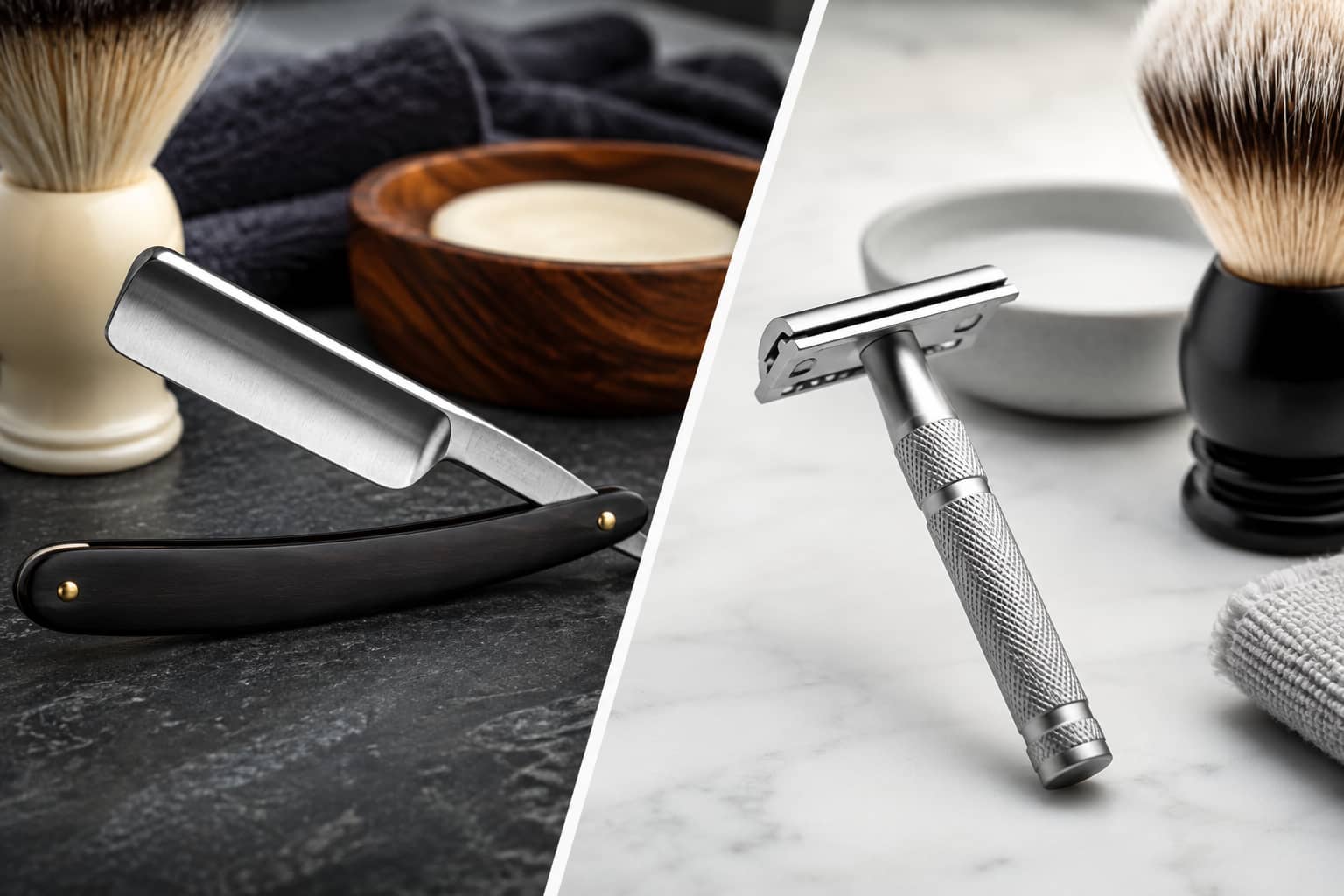
A straight razor gives maximum blade control. It is the classic open blade shaving tool used by barbers and traditional wet shaving fans. A safety razor uses a guarded blade system. It is easier to learn, safer for most beginners plus better for men who want a close shave without handling a fully open blade.
So which one is better for you?
The answer depends on your shaving experience, skin sensitivity, beard type, patience, maintenance comfort plus how much control you want. This guide compares straight razor vs safety razor in detail so you can choose the right tool for your routine.
Quick Answer
| User Type | Better Choice | Why |
| Complete beginner | Safety razor | Easier to control and more forgiving |
| Traditional shaving enthusiast | Straight razor | More classic shaving experience |
| Sensitive skin user | Safety razor | Easier to use with fewer mistakes |
| Beard line detailing | Straight razor | Gives sharper edge control |
| Fast daily shaving | Safety razor | Quicker and simpler |
| Long term shaving ritual | Straight razor | More skill based and satisfying |
| Low maintenance user | Safety razor | Easier cleaning and blade changes |
| Barber style shaving fan | Straight razor | Open blade precision |
Straight Razor vs Safety Razor Comparison Table
| Feature | Straight Razor | Safety Razor |
| Blade design | Open fixed blade or shavette blade | Guarded double edge blade |
| Learning curve | High | Low to medium |
| Shave closeness | Very close with skill | Very close with less skill |
| Safety | Requires careful control | More forgiving |
| Maintenance | High for traditional straight razors | Low |
| Blade cost | Low long term for fixed blade | Very low with double edge blades |
| Best for beginners | Shavette only if careful | Yes |
| Best for beard lines | Excellent | Good |
| Best for quick shaving | Not ideal | Better |
| Skin irritation risk | Higher if technique is poor | Lower with proper blade choice |
| Travel friendly | Less convenient | More convenient |
| Overall ease | Difficult at first | Easier for most men |
What Is a Straight Razor?
A straight razor is a shaving tool with an exposed blade that folds into a handle. Traditional straight razors have a fixed steel blade. That blade must be stropped before use and honed when it becomes dull.
There is also another type called a shavette. A shavette looks like a straight razor but uses replaceable blades. It does not need stropping or honing.
Straight razors are popular with men who enjoy classic grooming, wet shaving routines, beard shaping plus precise shaving control. They can deliver a very close shave, but they require patience and practice.
If you are interested in traditional open blade shaving, the best straight razors of 2026 guide can help you compare beginner razors, premium razors plus shavettes before buying.
What Is a Safety Razor?
A safety razor is a shaving tool that uses a replaceable blade held inside a guarded razor head. Most traditional safety razors use double edge blades. The guard helps control how much blade touches your skin.
Safety razors are popular because they give a close shave without the same risk level as a straight razor. They are also cheaper to maintain than cartridge razors because double edge blades are usually affordable.
For most men moving away from cartridge razors, a safety razor is the easier first step. It still gives a traditional shaving feel, but it does not require the same hand control as a straight razor.
If you want a smoother move into wet shaving, the best safety razors of 2026 guide is usually the better place to start.
Main Difference Between Straight Razor and Safety Razor
The biggest difference is blade exposure.
A straight razor has a fully exposed edge. Your hand controls everything: angle, pressure, stroke length and direction. This gives maximum control but also increases risk if your technique is poor.
A safety razor has a guard. The guard helps keep the blade angle more stable and reduces direct blade exposure. You still need technique, but the tool is more forgiving.
Think of it this way:
A straight razor is more like a manual skill tool. A safety razor is more like a controlled shaving system.
Both can work well. The better choice depends on how much learning you are willing to do.
Shave Closeness
Straight Razor Closeness
A straight razor can give an extremely close shave. Because the edge is open, you can control the angle directly. This helps remove hair very close to the skin when your technique is good.
It is especially useful for cheek lines, beard edges, sideburns and neck cleanup. Many barbers use straight style razors for finishing lines because the blade gives sharp visual control.
The downside is that closeness depends heavily on skill. A beginner may not get a closer shave at first. In fact, a beginner might get a worse shave because the angle, pressure or lather is not correct.
Safety Razor Closeness
A safety razor can also give a very close shave. Many men get excellent results with one pass with the grain plus one pass across the grain.
A safety razor may not give the same open blade control, but it is easier to get consistent results. With the right blade and technique, it can be close enough for daily shaving, office grooming plus sensitive skin users.
Winner for Closeness
| Category | Winner |
| Maximum possible closeness | Straight razor |
| Consistent closeness for beginners | Safety razor |
| Beard line precision | Straight razor |
| Daily practical closeness | Safety razor |
Safety and Risk

Straight Razor Safety
A straight razor demands respect. The blade is exposed, so small mistakes can cause nicks or cuts. Moving the blade sideways on the skin is especially dangerous.
The common beginner mistakes are:
- Too much pressure.
- Too steep blade angle.
- Long uncontrolled strokes.
- Dry lather.
- Shaving too fast.
- Poor skin stretching.
Straight razors are safe when used correctly, but they are not forgiving.
👉 Find the Straight Razor Safety on Amazon
Safety Razor Safety
A safety razor is safer for most beginners because the guard limits direct blade exposure. You can still cut yourself, but the risk is lower compared to a straight razor.
Safety razors are also easier around curved areas like the chin and jawline. The head design helps guide the blade better than a fully open straight razor.
👉 Find the Perfect Safety Razor Safety on Amazon
Winner for Safety
The safety razor wins for most users. A straight razor can be safe in experienced hands, but a safety razor is easier and more forgiving.
Learning Curve
Straight Razor Learning Curve
The straight razor learning curve is high. You need to learn grip, angle, skin stretching, stroke control, shaving direction plus blade maintenance.
Your first few shaves may take longer than expected. You may start by shaving only your cheeks and finishing the rest with another razor. That is normal.
A straight razor is not hard forever. It just requires practice.
Safety Razor Learning Curve
A safety razor is much easier to learn. You still need light pressure and good lather, but the technique is simpler.
Most men can get a decent safety razor shave within a few attempts. The main adjustment is learning not to press like a cartridge razor.
Winner for Beginners
The safety razor wins for beginners. It is easier to use, easier to clean and easier to master.
Cost Comparison
Straight Razor Cost
A traditional straight razor can cost more upfront. You may also need a strop, shaving brush, shaving cream, aftershave balm plus possibly honing stones or professional honing.
However, a good straight razor can last for years. Once you own the razor and accessories, long term costs can be low.
A shavette is cheaper upfront, but it needs replacement blades.
👉 Find the Perfect Straight Razor on Amazon — Check Today’s Prices
Safety Razor Cost
A safety razor is usually cheaper to start with. You buy the razor handle and a pack of double edge blades. Replacement blades are generally inexpensive.
This makes safety razors one of the best value shaving tools for most men.
👉 Find the Perfect Safety Razor on Amazon — Check Today’s Prices
Cost Comparison Table
| Cost Factor | Straight Razor | Safety Razor |
| Upfront razor cost | Medium to high | Low to medium |
| Accessories needed | More | Fewer |
| Replacement blades | None for fixed blade, yes for shavette | Yes |
| Long term cost | Very low if maintained | Very low |
| Professional maintenance | Possible honing cost | Not needed |
| Best value for most beginners | No | Yes |
Maintenance
Straight Razor Maintenance
A traditional straight razor needs more care. You should dry it fully after every shave. If the blade is carbon steel, moisture can cause rust.
You also need to strop before shaving. Stropping helps refresh the edge. Over time, the blade may need honing.
If you enjoy tool care, this maintenance can feel satisfying. If you want a simple routine, it may feel like extra work.
Safety Razor Maintenance
A safety razor is easier. After shaving, rinse the head, dry it and replace the blade when it becomes dull.
You do not need stropping. You do not need honing. You do not need special edge care.
Winner for Maintenance
Safety razor wins. It gives traditional shaving benefits with far less maintenance.
Skin Comfort and Irritation
Straight Razor for Skin Comfort
A sharp straight razor can be comfortable when used correctly. It can cut hair cleanly with fewer passes. This may help some men reduce irritation.
But technique matters a lot. Poor angle or pressure can scrape the skin. A dull blade can tug hair. Dry lather can cause razor burn.
Straight razors are not automatically better for sensitive skin. They can be excellent, but only when used properly.
Safety Razor for Skin Comfort
A safety razor is often better for sensitive skin because it is easier to control. You can choose mild razor heads and gentle blades. You can also limit passes.
Many men with razor bumps prefer safety razors over cartridge razors because there are fewer blades scraping the skin at once.
Winner for Sensitive Skin
Safety razor wins for most sensitive skin users. Straight razors can work well, but they require better technique.
Beard Shaping and Lineups
This is where straight razors shine.
A straight razor gives very clear blade visibility. You can see exactly where the edge meets the skin. That makes it excellent for cheek lines, neckline cleanup, mustache edges and sideburn shaping.
A safety razor can also shape beard lines, but the razor head may block some visibility. It is good but not as precise as an open blade.
Winner for Beard Detailing
Straight razor wins. It is better for sharp lines and detailed control.
Speed and Daily Convenience
A straight razor shave takes time. You need prep, careful shaving, cleaning, drying plus stropping if you use a traditional razor. It is not ideal when you are late for work.
A safety razor is faster. You still need proper lather, but the shave itself is easier and more familiar.
If you shave every morning before work, a safety razor is usually more practical.
Winner for Daily Speed
Safety razor wins.
Travel Convenience
Traveling with a straight razor can be tricky. Fixed blades need careful packing. Shavettes and loose blades may face travel restrictions depending on the situation.
Safety razors are more travel friendly, but double edge blades also need proper handling. Many men travel with the safety razor handle and buy blades at the destination.
For travel, cartridge razors are still the easiest. But between straight razor and safety razor, the safety razor is usually more convenient.
Which One Is Better for Beginners?
A safety razor is better for most beginners.
It teaches traditional shaving basics without exposing you to the full risk of an open blade. You learn lather, blade angle, grain direction and light pressure. These skills also help later if you move to a straight razor.
A straight razor is better for beginners only if they are patient, careful and genuinely interested in learning the skill. If you want quick results, choose a safety razor first.
Which One Is Better for Experienced Wet Shavers?
Experienced wet shavers may enjoy a straight razor more. It gives more control, more challenge plus a more classic feel.
If you already understand beard grain, lather quality, pressure control and aftercare, a straight razor can be a rewarding upgrade.
That said, many experienced shavers still prefer safety razors because they are efficient and consistent.
Pros and Cons of Straight Razors
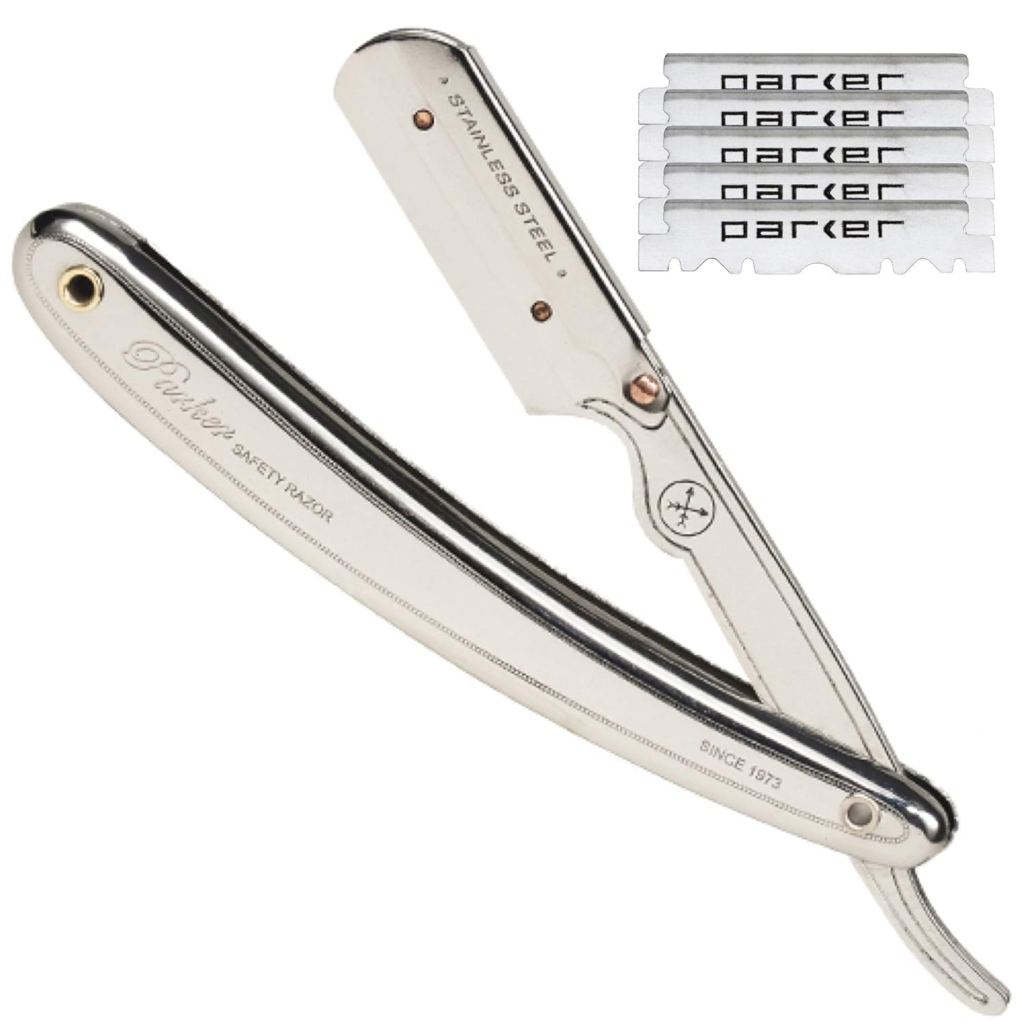
Pros
- Excellent control.
- Very close shave with skill.
- Great for beard lines.
- Traditional grooming experience.
- Can last for years.
- Less waste with fixed blade models.
- Satisfying shaving ritual.
Cons
- Harder to learn.
- Higher cut risk.
- Slower shaving routine.
- Needs stropping.
- May need honing.
- Not ideal for rushed mornings.
- Requires careful storage.
👉 Check Straight Razor on Amazon — Check Today’s Prices
Pros and Cons of Safety Razors
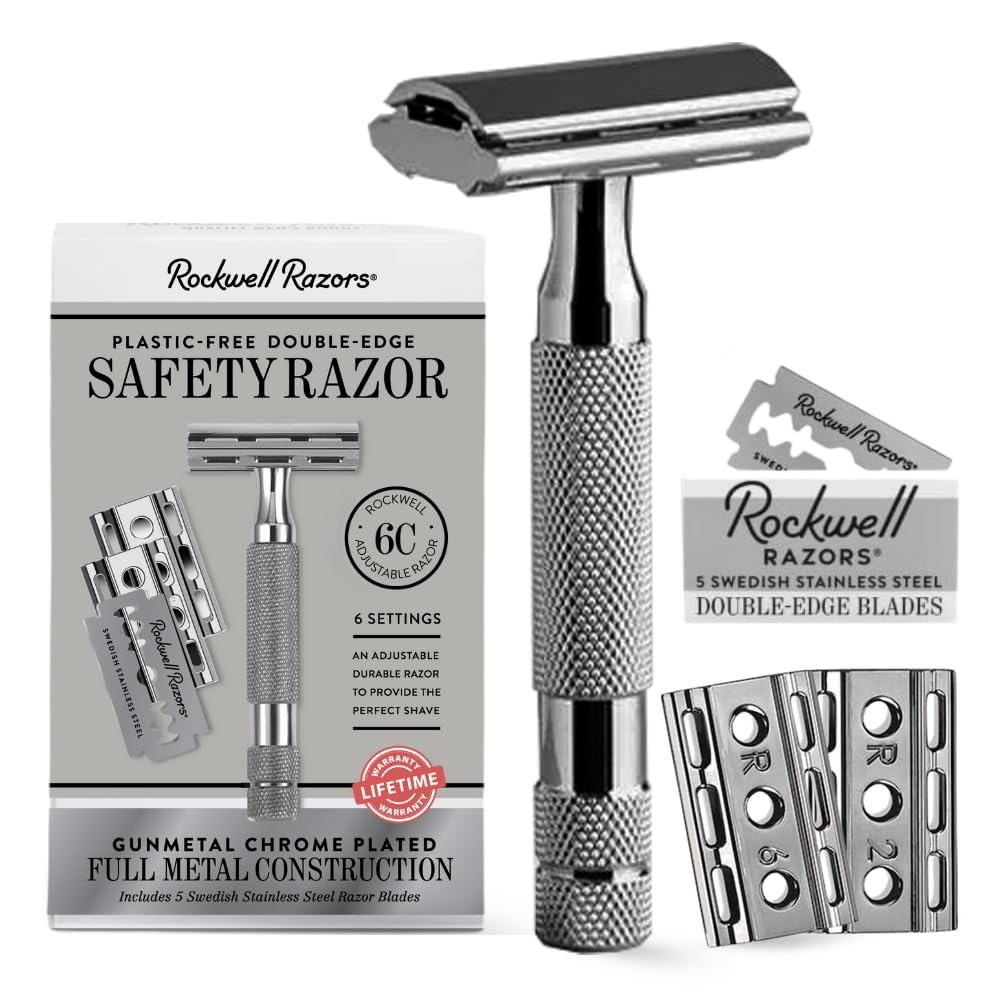
Pros
- Easier to learn.
- More forgiving than straight razors.
- Great value.
- Low blade cost.
- Good for sensitive skin.
- Faster daily shaving.
- Simple maintenance.
- Good traditional shaving entry point.
Cons
- Less precise for beard line detailing.
- Not as traditional as a straight razor.
- Razor head can limit visibility.
- Some blade testing may be needed.
- Aggressive models can irritate beginners.
👉 Check Safety Razor on Amazon — Check Today’s Prices
Straight Razor vs Safety Razor by Use Case
| Use Case | Better Option | Reason |
| First traditional razor | Safety razor | Easier learning curve |
| Sharp beard cheek lines | Straight razor | Better blade visibility |
| Sensitive neck | Safety razor | More forgiving |
| Slow weekend shaving ritual | Straight razor | More classic experience |
| Fast office morning shave | Safety razor | Quicker routine |
| Lowest maintenance | Safety razor | No stropping or honing |
| Barber style detail work | Straight razor | Open blade control |
| Budget shaving | Safety razor | Low blade cost |
| Gift for shaving enthusiast | Straight razor | More premium feel |
| Travel shaving | Safety razor | Easier to pack |
Should You Own Both?
Yes, many men can benefit from owning both.
A safety razor can be your daily shaving tool. It is fast, affordable and easy to maintain. A straight razor can be your detail tool or weekend grooming tool when you have more time.
For example, you can use a safety razor for most of your face and use a straight razor for cheek lines or neckline cleanup. This gives you convenience plus precision.
If you are new, start with a safety razor. After you build confidence, add a straight razor later.
Buying Advice
Buy a Straight Razor If
- You enjoy traditional grooming.
- You want sharp beard lines.
- You are patient with learning.
- You like tool maintenance.
- You want a shaving ritual, not just a quick shave.
- You are ready to learn stropping and honing basics.
Buy a Safety Razor If
- You are new to wet shaving.
- You want a close shave with less risk.
- You have sensitive skin.
- You shave often.
- You want affordable replacement blades.
- You do not want heavy maintenance.
Final Verdict
In the straight razor vs safety razor comparison, the safety razor is better for most beginners. It is easier, safer, faster and more practical for daily use. It gives a close shave without requiring stropping, honing or open blade control.
The straight razor is better for men who want the most traditional experience. It gives excellent control, sharp beard lines plus a satisfying grooming ritual. But it needs patience, practice and maintenance.
If you want a simple answer, choose a safety razor first. If you already enjoy wet shaving and want to master a classic tool, choose a straight razor.
The best choice is the one you will use consistently with good technique.
Final Amazon CTA: Check the latest safety razors, straight razors, shaving creams and starter kits on Amazon to build the right shaving setup for your routine.
Amazon Affiliate Disclosure: As an Amazon Associate I earn from qualifying purchases. This means we may earn a small commission when you buy through links on this page at no extra cost to you
FAQs
Is a straight razor better than a safety razor?
A straight razor is better for maximum control and beard line detailing. A safety razor is better for ease, safety and daily shaving. Most beginners should start with a safety razor.
Which razor gives a closer shave?
A straight razor can give the closest shave in skilled hands. A safety razor gives a very close shave with less skill required. For most men, the practical difference is small.
Is a straight razor safe for beginners?
It can be safe if used carefully, but it is not the easiest beginner option. A safety razor is more forgiving and usually better for learning traditional shaving.
Is a safety razor good for sensitive skin?
Yes, a safety razor can be good for sensitive skin. Use a mild razor, sharp blade, slick shaving cream and light pressure.
Does a straight razor need more maintenance?
Yes. A traditional straight razor needs stropping, careful drying and occasional honing. A safety razor only needs rinsing, drying and blade replacement.
Which razor is cheaper long term?
Both can be affordable long term. A safety razor is usually cheaper and easier at the start. A traditional straight razor can last for years but needs accessories and maintenance.
Can I use a straight razor for beard lines only?
Yes, a straight razor is excellent for cheek lines, necklines, sideburns and mustache edges. Many men use it only for detailing.
Should I buy a shavette instead of a straight razor?
A shavette is a good option if you want straight razor style shaving without stropping or honing. It uses replaceable blades, but it can feel sharp and less forgiving.
Which razor is better for daily shaving?
A safety razor is better for daily shaving because it is faster and easier to control. A straight razor is better when you have more time.
Can I own both a straight razor and a safety razor?
Yes. Many men use a safety razor for daily shaving and a straight razor for detailing or weekend shaves.