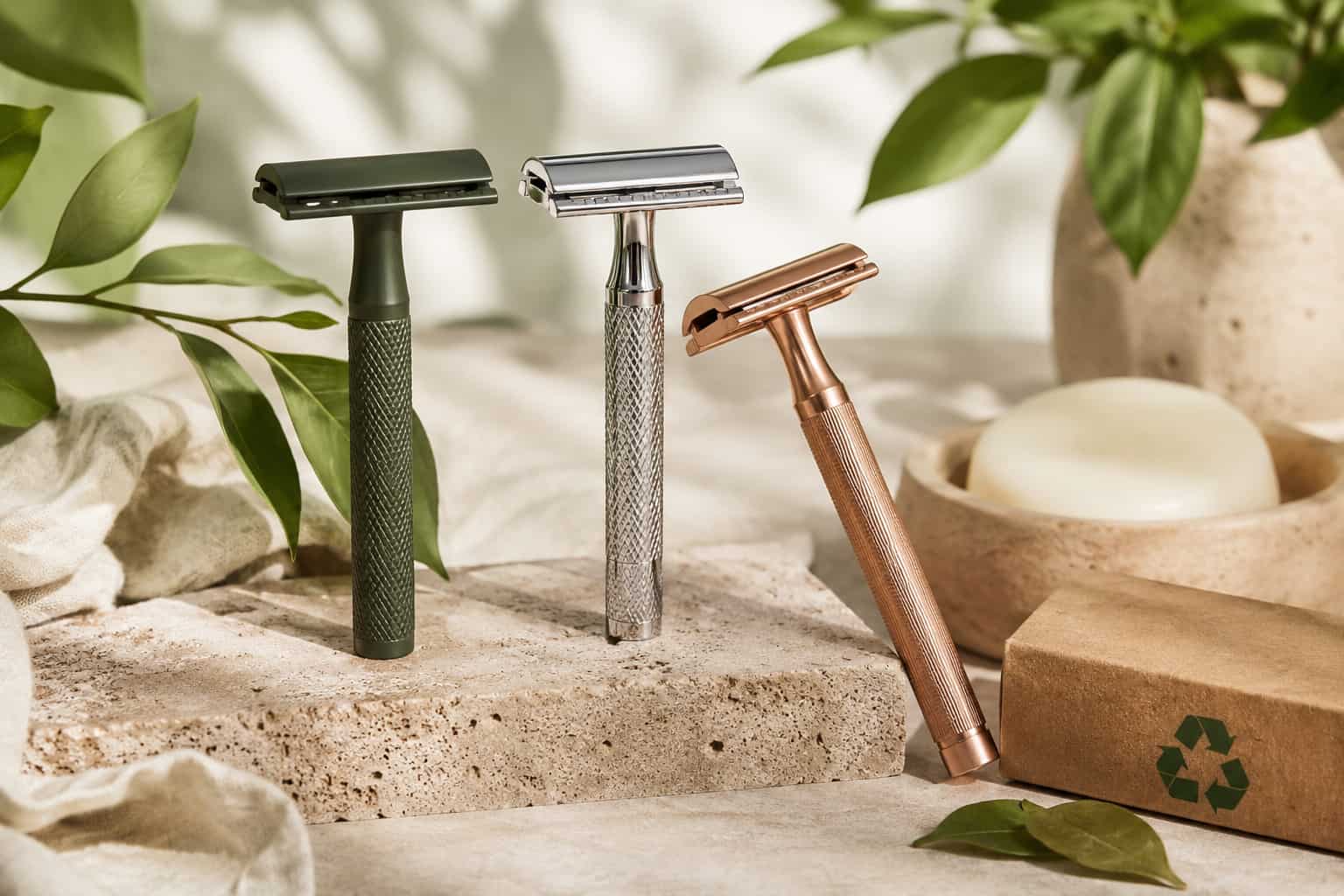
Every year, billions of plastic razor cartridges end up in landfills. The number is difficult to verify precisely because no single agency tracks it globally, but estimates from environmental organizations consistently place single-use plastic razor and cartridge waste in the billions of units annually across North America and Europe alone. Each unit is a combination of plastic, metal, and rubber components that cannot be easily separated for recycling and will sit in a landfill for hundreds of years before breaking down.
The safety razor is not a new invention marketed as a sustainability solution. It is an old tool whose inherent design happens to produce almost zero ongoing plastic waste. The razor itself is metal and lasts for years or decades. The only disposable component is the blade, a tiny sliver of steel that weighs less than a gram and can be collected and recycled or safely disposed of with minimal environmental impact.
For anyone who is making sustainability-conscious purchasing decisions in their daily routine, switching to a safety razor is one of the most straightforward and highest-impact changes available. This guide covers the best eco-friendly safety razors in 2026, the full environmental case for the switch, and how to build the most sustainable shaving routine possible.
Quick Picks: Best Eco-Friendly Safety Razors 2026
The Environmental Case for Safety Razors
| Razor | Handle Material | Blade Type | Best For |
| Bambaw Safety Razor | Bamboo | DE | Most sustainable handle material |
| Leaf Razor | Recycled Zinc Alloy | DE | Multi-blade transition, eco-conscious |
| Albatross Shaving Co. | Stainless Steel | DE | Zero-waste brand focus |
| Rockwell 6S | Stainless Steel | DE | Lifetime investment, premium eco |
| Feather AS-D2 | Stainless Steel | DE | Premium lifetime eco razor |
| Parker 99R | Chrome Brass | DE | Budget eco-conscious start |
| Bamboo Razor by Jungle Culture | Bamboo | DE | Bamboo alternative |
| Edwin Jagger DE89 | Chrome Brass | DE | Long-lasting mid-range eco |
| Merkur 34C | Chrome Zinc | DE | Durable budget eco option |
| Above the Tie S1 | Stainless Steel | DE | Premium USA eco razor |
Understanding the specific ways in which safety razors reduce environmental impact makes the sustainability argument concrete rather than abstract.
The Plastic Waste Problem
A standard cartridge razor head contains approximately eight to twelve grams of mixed plastic, metal, and rubber components that cannot be separated by conventional recycling facilities. The combination of materials means the entire cartridge goes to landfill or incineration. A shaver using cartridge razors and changing cartridges weekly generates approximately fifty cartridge heads per year.
Over a ten-year shaving career, that is five hundred cartridge heads per person. Over a forty-year shaving career, two thousand. Multiply by the hundreds of millions of regular shavers globally and the waste volume becomes genuinely significant.
A safety razor shaver generates exactly zero plastic cartridge waste. The metal razor lasts indefinitely. The DE blade, which weighs less than a gram, is the only ongoing waste. A shaver who shaves daily and changes blades every five shaves generates approximately seventy-two blades per year. All metal, easily collected in a blade bank, and in many areas recyclable at metal collection facilities.
The Carbon Footprint Comparison
The carbon footprint of producing and shipping replacement cartridge packs throughout a shaving lifetime versus the one-time production of a metal safety razor and a year’s supply of DE blades is not precisely calculated in publicly available research. However, the material efficiency argument is clear. Producing one metal safety razor uses significantly fewer resources and generates significantly less carbon than producing hundreds of cartridge heads over the same period.
The localized manufacturing of many premium safety razors, particularly those made in Germany, Japan, USA, and UK, also reduces shipping footprint compared to cartridges often manufactured in Southeast Asia and shipped globally.
The Chemical Waste Problem
Cartridge razors include lubricating strips typically made from polyethylene glycol derivatives and other synthetic compounds. These compounds end up in wastewater systems during shaving. DE blades contain no lubricating chemicals. The environmental impact of lubricating strip chemicals in wastewater is not a primary environmental concern, but it is an additional consideration for comprehensively sustainability-focused shavers.
The Shaving Product Ecosystem
The most sustainable complete shaving routine extends the eco-friendly logic beyond the razor itself. Canned shaving foam is an aerosol product in a non-recyclable metal can. A solid shaving soap puck in paper or cardboard packaging produces essentially zero waste. Synthetic shaving brushes avoid the animal welfare concerns of natural hair brushes. Refillable aftershave products in glass containers reduce packaging waste over time.
Building the most sustainable shaving routine means addressing every component in the system, not just the razor.
👉 Shop Eco-Friendly Safety Razors on Amazon
What Makes a Safety Razor Eco-Friendly
Not all safety razors are equally sustainable. Here is what distinguishes genuinely eco-friendly options from conventional razors that are simply less wasteful than cartridge razors.
Handle Material
The handle material is the most visible sustainability variable across razor options.
Stainless steel handles are the most durable and longest-lasting option. A stainless steel razor used for thirty to forty years has an extremely favorable environmental impact per shave compared to any disposable alternative. The material is also one of the most widely recycled metals in the world, giving the razor a responsible end-of-life pathway when it eventually reaches the end of its service.
Bamboo handles are the most explicitly sustainable material in the market. Bamboo is one of the fastest-growing plants on Earth, sequestering carbon during growth and reaching harvestable maturity in three to five years compared to decades for timber. A bamboo-handled razor from a responsible supplier communicates sustainability through both the material choice and the supply chain.
Chrome-plated brass and zinc alloy are the most common handle materials at the mid-range and budget levels. They are not specifically eco-friendly but they are durable enough to last many years with basic care, which makes them significantly more sustainable than any disposable alternative.
Brand Ethics and Manufacturing
Some brands in the safety razor market have built their entire identity around sustainability. Albatross Shaving Co., for example, operates a blade take-back program that allows customers to return used blades for responsible recycling. Jungle Culture and Bambaw market their bamboo products alongside broader environmental commitments.
For comprehensively sustainability-focused buyers, a brand that has made explicit environmental commitments is more aligned with their values than a standard razor brand that happens to produce a long-lasting product.
Packaging
Minimal packaging, plastic-free packaging, and recyclable packaging are considerations for sustainability-focused buyers. Several razor brands now ship in cardboard-only packaging without plastic inserts or wrapping.
Blade Take-Back Programs
A small number of brands operate blade collection and recycling programs that address the end-of-life pathway for used DE blades. These programs are currently limited in scale but represent the most comprehensive approach to sustainable shaving available.
Best Eco-Friendly Safety Razors: Full Reviews
1. Bambaw Safety Razor — Most Sustainable Handle Material
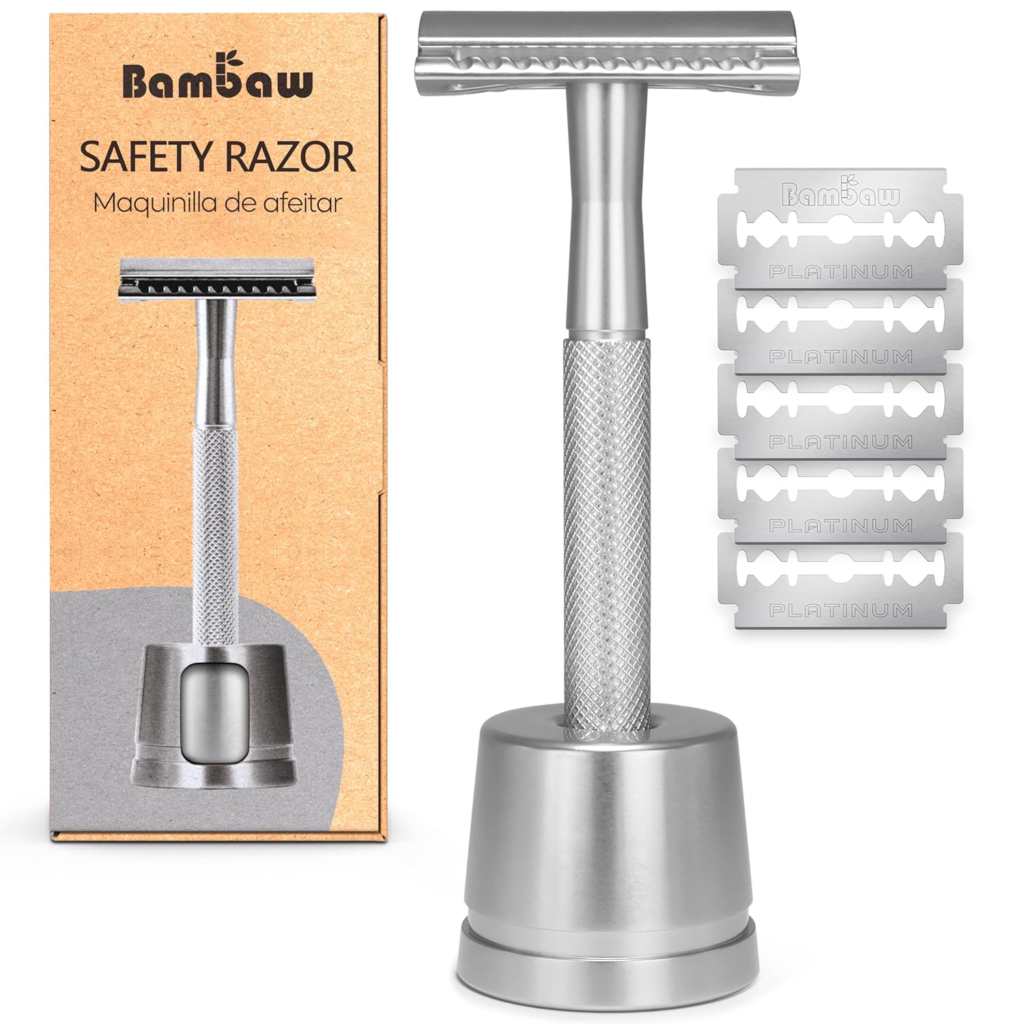
The Bambaw Safety Razor is the most explicitly eco-friendly razor available in terms of handle material. The bamboo handle is genuinely biodegradable, sustainably sourced from FSC-certified suppliers, and produced with minimal processing compared to metal alternatives. The stainless steel head accepts standard DE blades for excellent ongoing blade economy.
Bambaw as a brand is built around environmental principles. Their packaging is plastic-free, their supply chain is transparent, and their marketing is honest about both the advantages and limitations of bamboo as a razor handle material.
The shave the Bambaw delivers is mild and suitable for most skin types. The lightweight bamboo handle, at approximately 45g, requires more conscious effort to avoid pressing than heavier metal alternatives. As covered in the safety razor shaving angles and pressure guide on this site, lighter razors place more technique demand on the shaver. This is the main practical limitation to understand before choosing the Bambaw.
Specifications:
- Weight: 45g
- Handle length: 3.9 inches
- Comb type: Closed comb
- Material: Bamboo handle, stainless steel head
- Blade type: Standard DE
Pros:
- Most sustainable handle material available
- FSC-certified bamboo from responsible suppliers
- Plastic-free packaging
- Accepts standard DE blades for maximum cost and environmental efficiency
- Mild shave appropriate for most skin types
- Affordable entry point for eco-motivated switchers
Cons:
- Light weight requires more conscious technique effort
- Bamboo requires careful drying to prevent cracking
- Cannot be left in standing water
- Build consistency less reliable than metal alternatives
- Bamboo handle has a shorter lifespan than metal options
👉 Check Bambaw Safety Razor Price on Amazon
2. Leaf Razor — Best Eco-Friendly Multi-Blade Transition Razor
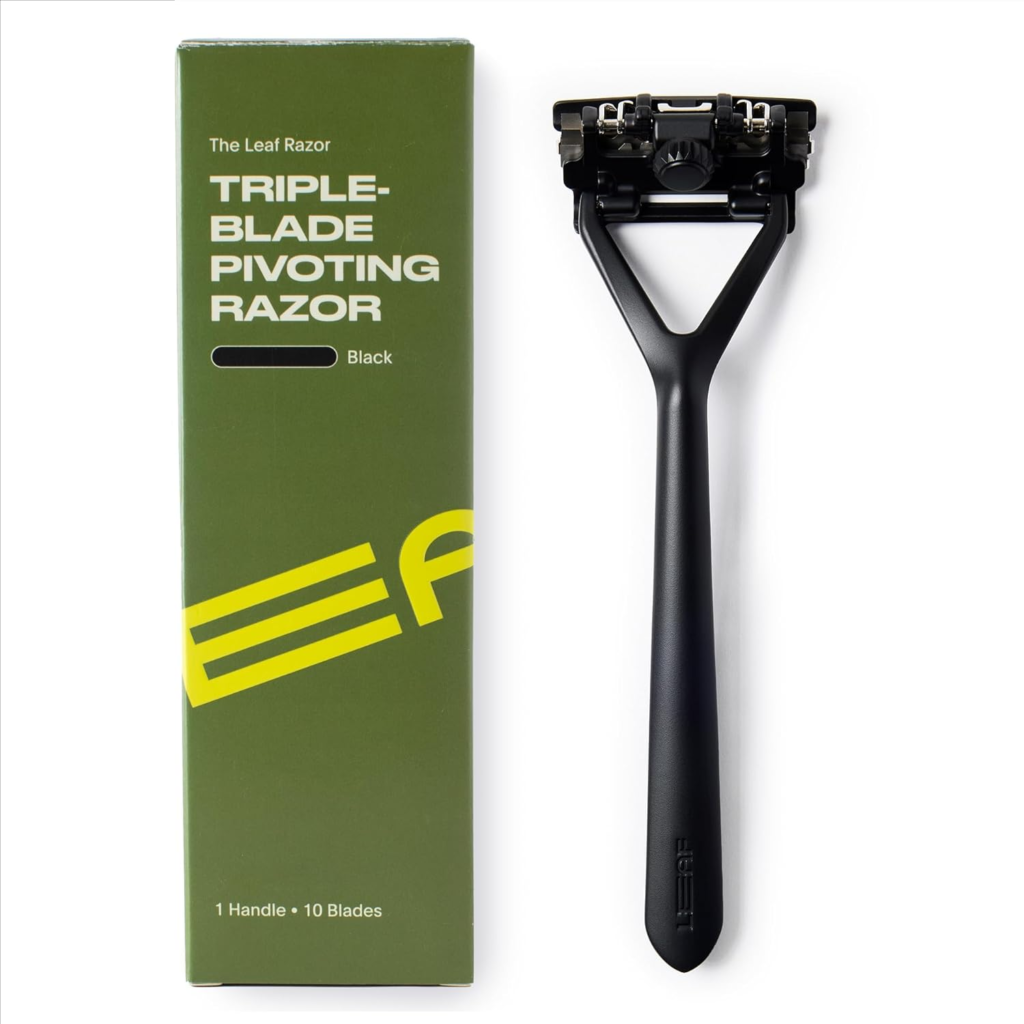
The Leaf Razor occupies an interesting sustainability position. It uses DE blades loaded into a pivoting head that can accept one, two, or three blades, which gives shavers a transition pathway from cartridge razors to single blade DE shaving without abandoning the pivoting head familiarity of cartridges.
From a sustainability perspective, even the three-blade Leaf Razor configuration generates dramatically less waste than a cartridge razor because the blades are standard DE blades that cost a fraction of cartridge prices and produce minimal metal waste. Using a single blade in the Leaf delivers the same waste profile as any other DE razor.
The Leaf brand has made sustainability a central part of its identity. The razor is made from recycled zinc alloy, the packaging is minimal and recyclable, and the company actively promotes the plastic waste reduction argument as a core product benefit.
For women specifically, the Leaf Razor is one of the top recommendations in the best safety razors for women’s legs and bikini area guide on this site for its pivoting head that adapts to leg curves.
Specifications:
- Weight: 94g
- Handle length: 4.0 inches
- Comb type: Pivoting head
- Material: Recycled zinc alloy
- Blade type: Standard DE (1 to 3 blades)
Pros:
- Made from recycled material
- Minimal recyclable packaging
- Uses standard DE blades for ongoing sustainability
- Pivoting head eases transition from cartridge razors
- Effective for legs, underarms, and bikini area
- Good weight for zero-pressure technique
Cons:
- Multi-blade configuration partially reintroduces ingrown hair risk
- Heavier than most traditional safety razors
- Pivoting mechanism adds maintenance complexity
- Higher price than equivalent traditional DE razors
👉 Check Leaf Razor Price on Amazon
3. Albatross Shaving Co. — Best Brand for Comprehensive Sustainability
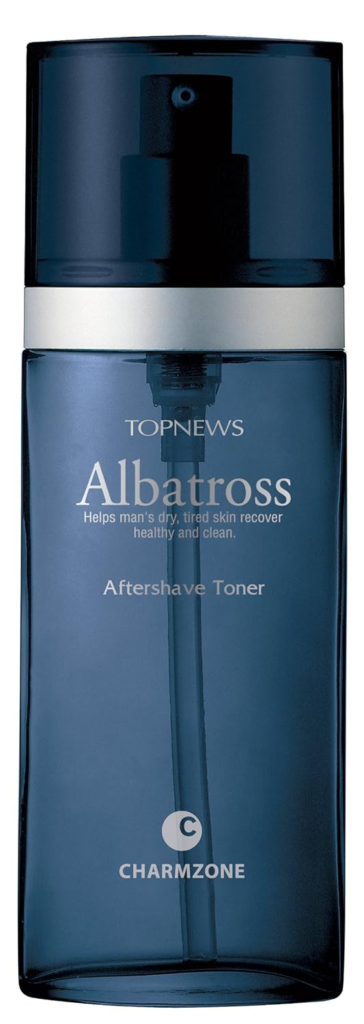
Albatross Shaving Co. is a sustainability-focused shaving brand that operates a blade take-back program alongside their razor products. Customers collect used blades and return them to Albatross for responsible recycling, closing the loop on the one genuinely wasteful component of DE shaving.
Their razors are well-made and use standard DE blades. The brand’s explicit commitment to comprehensive sustainability, from manufacturing through use to end-of-life, makes them the most complete sustainability choice in the market for buyers who want every element of the supply chain considered.
For comprehensively eco-motivated buyers who want a brand that has thought through every step of the sustainability equation, Albatross is the answer.
Specifications:
- Weight: Approximately 70 to 85g depending on model
- Handle length: Various options
- Comb type: Closed comb
- Material: Stainless steel
- Blade type: Standard DE
Pros:
- Blade take-back program closes the recycling loop
- Explicit sustainability mission throughout brand
- Standard DE blade compatibility
- Good shave quality across their razor lineup
- Transparent supply chain communication
- Comprehensive eco-friendly shaving system available
Cons:
- Less widely available than mainstream razor brands
- Take-back program requires mailing back used blades
- Smaller product range than established razor brands
- Premium price for sustainability commitment
👉 Check Albatross Shaving Co. Price on Amazon
4. Rockwell 6S — Best Premium Eco-Friendly Safety Razor
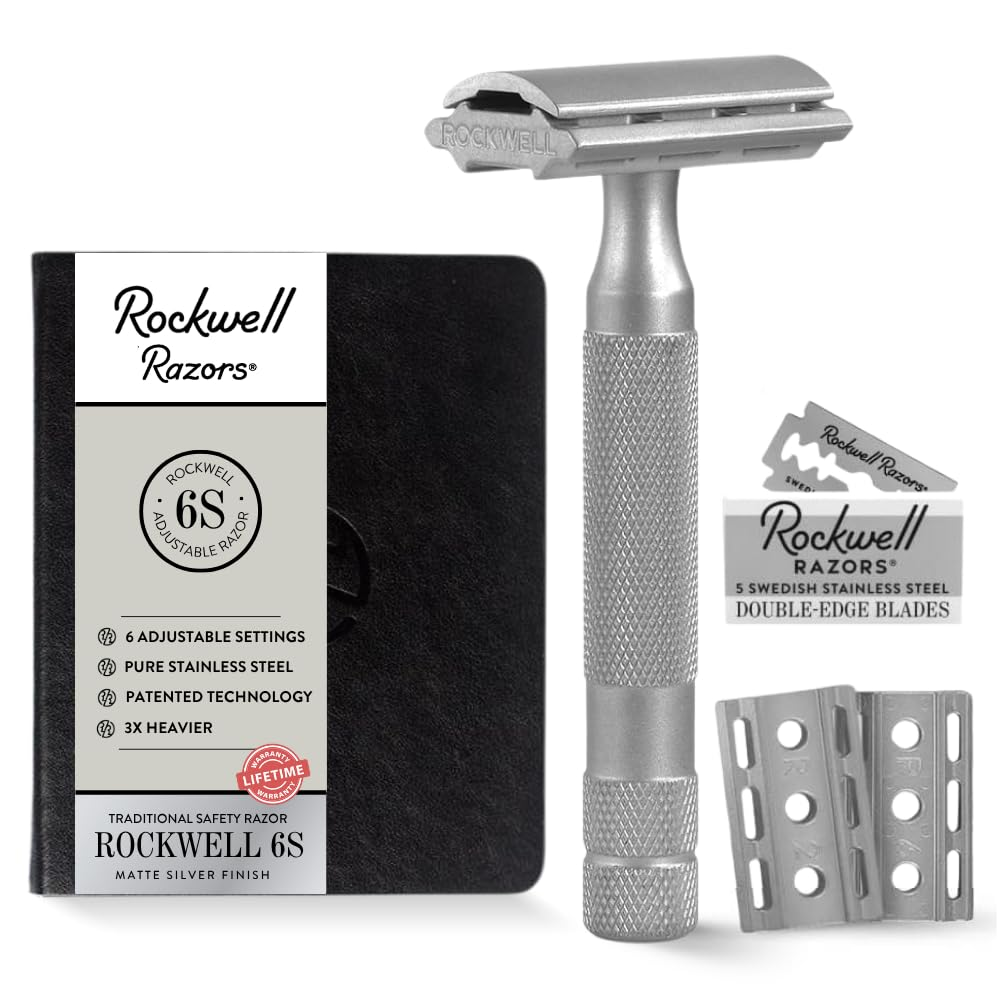
The Rockwell 6S is not marketed specifically as an eco-friendly razor but it represents the best environmental value in the premium segment. A full stainless steel razor that will last indefinitely, with no components that wear out or need replacing, paired with standard DE blades at minimal ongoing waste, is one of the most environmentally efficient shaving setups available.
The lifetime investment argument for the Rockwell 6S is the strongest in the stainless steel category, as covered in the best stainless steel safety razors guide on this site. A razor that never needs to be replaced, in a format that generates a fraction of the waste of any cartridge system, represents genuine long-term sustainability regardless of the brand’s explicit marketing positioning.
Specifications:
- Weight: 118g
- Handle length: 3.5 inches
- Comb type: Closed comb (all plates)
- Material: Full stainless steel
- Blade type: Standard DE
Pros:
- Full stainless steel means the razor never needs to be replaced
- Six aggressiveness plates in one razor reduces multiple purchases
- Standard DE blades for minimal ongoing waste
- Lifetime investment with near-zero ongoing environmental impact
- Excellent shave quality
- Best value in the lifetime stainless steel category
Cons:
- Not marketed with explicit eco-friendly focus
- Higher upfront cost than budget eco options
- Heavy at 118g
- Short handle may not suit all users
👉 Check Rockwell 6S Price on Amazon
5. Feather AS-D2 — Best Premium Eco-Friendly Lifetime Razor
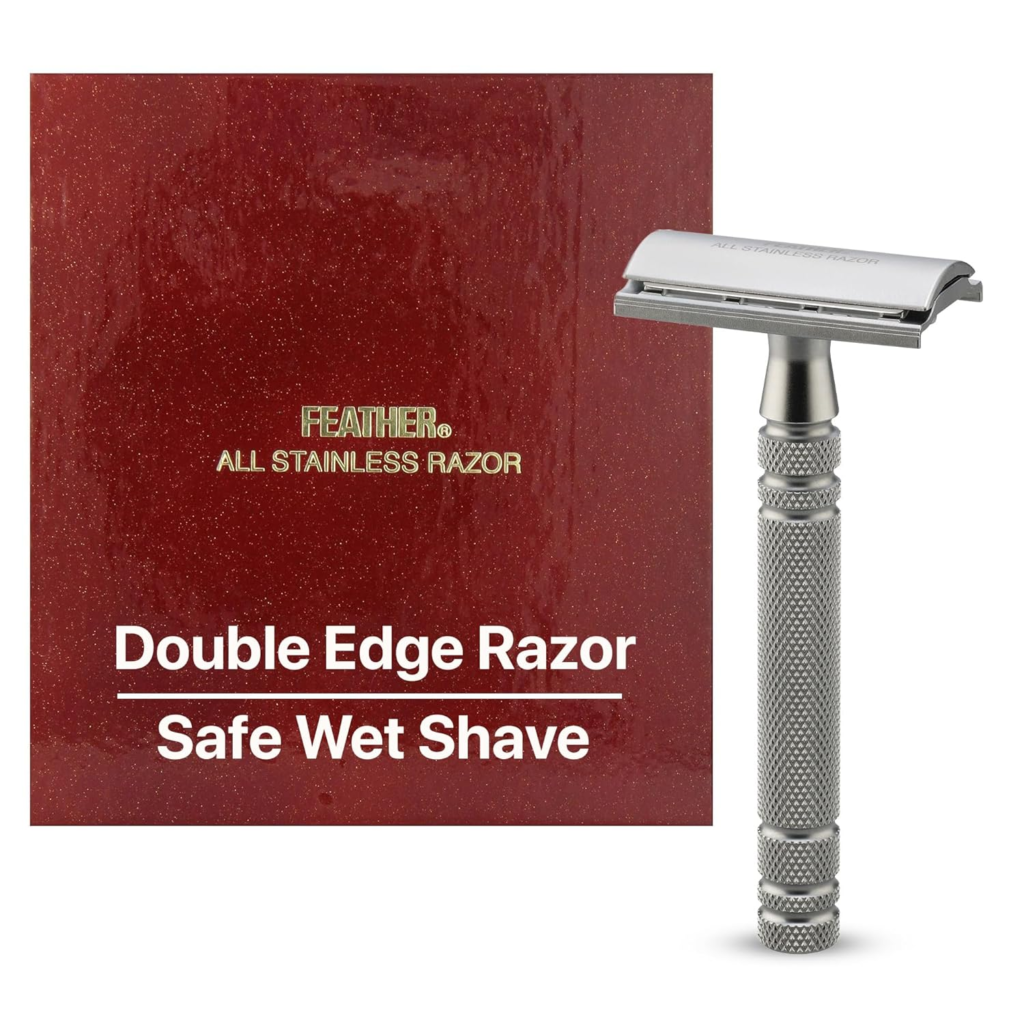
The Feather AS-D2 is the pinnacle of the eco-friendly argument through longevity. A razor machined to extraordinary Japanese precision from full stainless steel, designed and built to last decades of daily use, represents the best possible per-shave environmental footprint that a manufactured grooming tool can achieve. As covered extensively in the best premium safety razors worth the investment guide on this site, the AS-D2 is the last razor most serious wet shavers will ever need to buy.
The environmental case for buying one exceptional razor that lasts forty years rather than cycling through multiple adequate razors is compelling. The resource consumption and carbon footprint of manufacturing one precision stainless steel razor is dramatically lower per shave than the equivalent of manufacturing and replacing multiple lower-quality alternatives.
Specifications:
- Weight: 89g
- Handle length: 3.9 inches
- Comb type: Closed comb
- Material: Full stainless steel
- Blade type: Standard DE
Pros:
- Indefinite lifespan with basic maintenance
- Japanese precision manufacturing minimizes material waste
- Full stainless steel with responsible end-of-life recyclability
- Standard DE blades for minimal ongoing waste
- The most refined daily shave experience in the market
- Genuine heirloom quality with zero planned obsolescence
Cons:
- Very high upfront cost
- Not explicitly marketed with eco-friendly focus
- Fixed mild-medium geometry
- Requires established technique
👉 Check Feather AS-D2 Price on Amazon
6. Jungle Culture Bamboo Safety Razor — Best Bamboo Alternative
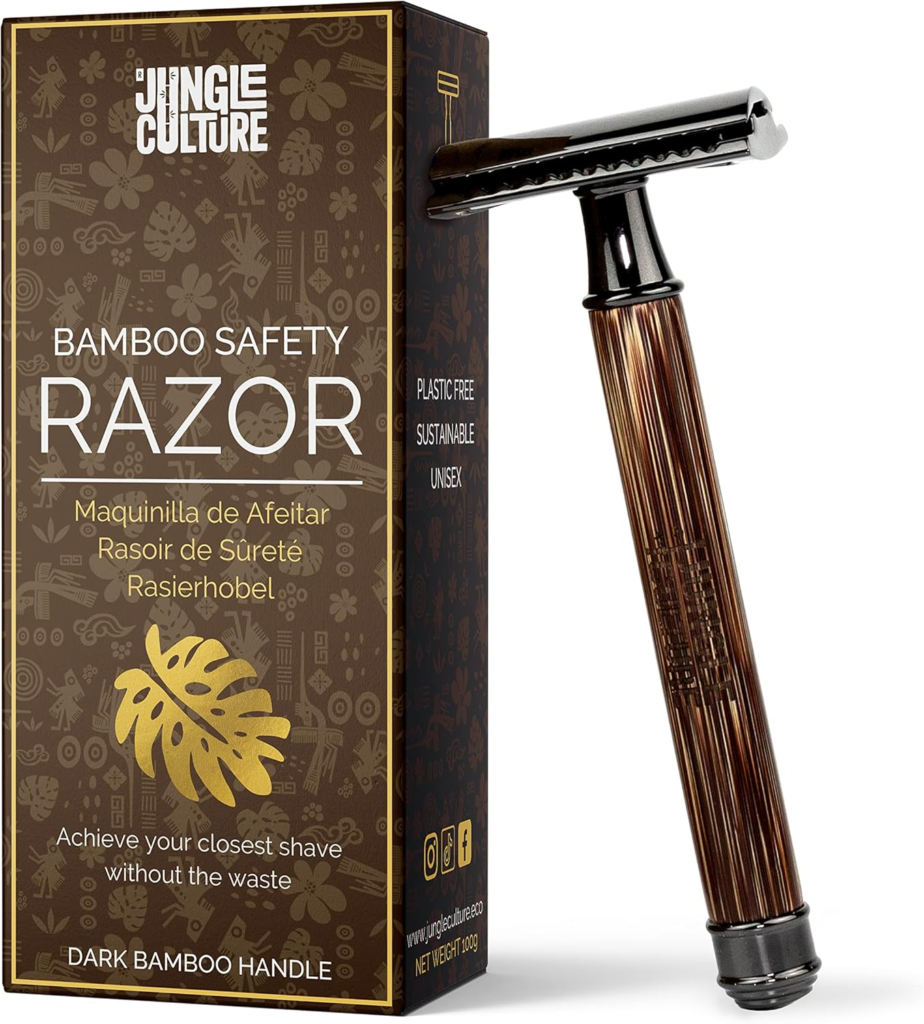
Jungle Culture is a UK-based sustainability-focused brand producing bamboo safety razors alongside a range of other eco-conscious products. Their bamboo razor is an alternative to the Bambaw in the bamboo handle category, with slightly different handle geometry and a similarly plastic-free brand ethos.
The shave quality is comparable to the Bambaw. The mild stainless steel head accepts standard DE blades. The bamboo handle requires the same care as any bamboo product: thorough drying after each use and no standing water contact.
For buyers who want a bamboo option from a UK-based brand with an explicit sustainability mission, Jungle Culture is the most comparable alternative to Bambaw.
Specifications:
- Weight: Approximately 40 to 50g
- Handle length: 3.9 inches
- Comb type: Closed comb
- Material: Bamboo handle, stainless steel head
- Blade type: Standard DE
Pros:
- Genuine bamboo handle from sustainability-focused brand
- Plastic-free packaging and brand ethos
- Standard DE blade compatibility
- UK-based brand for European buyers
- Mild shave appropriate for most users
- Affordable entry price
Cons:
- Very light weight requires technique discipline
- Bamboo moisture sensitivity
- Build quality varies between production batches
- Shorter handle lifespan than metal alternatives
👉 Check Jungle Culture Bamboo Razor Price on Amazon
7. Parker 99R — Best Budget Entry for Eco-Conscious Shavers
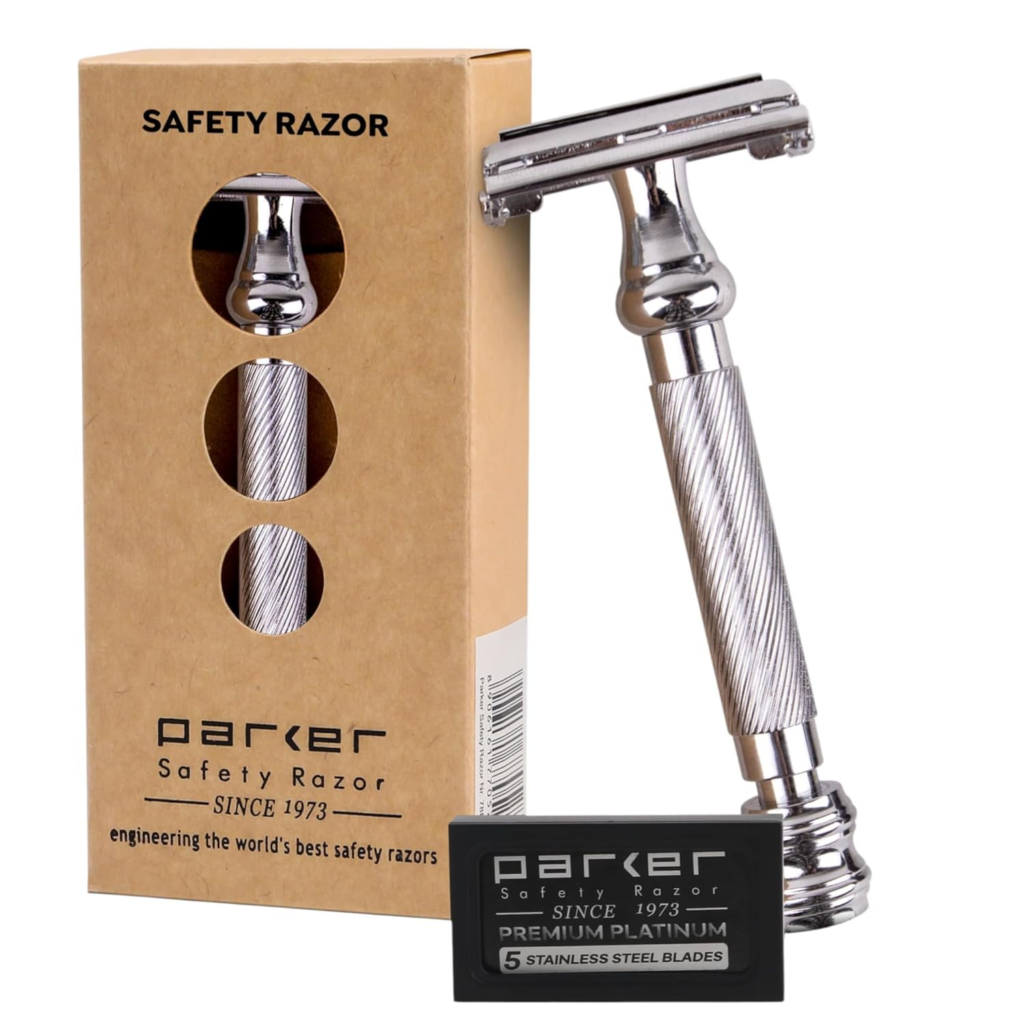
The Parker 99R is the most widely recommended budget safety razor across multiple guides on this site, and its eco credentials are straightforward. A chrome-plated brass razor that lasts years with basic maintenance, paired with inexpensive DE blades that generate a fraction of the waste of cartridge razors, represents a dramatically more sustainable shaving practice than any cartridge razor system at comparable or lower total cost.
For eco-motivated shavers who want to make the switch at minimal upfront cost, the Parker 99R delivers the primary environmental benefit — elimination of cartridge waste — at the lowest possible investment.
Specifications:
- Weight: 95g
- Handle length: 4.0 inches
- Comb type: Closed comb
- Material: Chrome-plated brass
- Blade type: Standard DE
Pros:
- Immediate elimination of cartridge plastic waste
- Long-lasting chrome-plated brass construction
- Standard DE blades for minimal ongoing waste
- Low upfront cost for eco-motivated switchers
- Butterfly opening for easy blade changes
- Widely available
Cons:
- Not specifically eco-marketed
- Chrome plating will eventually wear
- Build quality below premium sustainable options
- Not as durable as stainless steel alternatives
👉 Check Parker 99R Price on Amazon
Building the Most Sustainable Complete Shaving Kit
A truly sustainable shaving routine addresses every component in the system. Here is how each element of the complete wet shaving kit can be optimized for sustainability.
Shaving Soap or Cream
Canned shaving foam is the least sustainable shaving product format. The aerosol can is typically not recyclable, the propellants have environmental impact, and the soap-to-packaging ratio is poor.
Solid shaving soap pucks in cardboard or paper packaging are the most sustainable shaving product format. Brands like Mitchell’s Wool Fat, Cella, and Stirling Soap Company sell soap in minimal, fully recyclable packaging. The soap-to-packaging ratio is excellent and a single puck lasts months of daily use.
Shaving cream in tubes is more sustainable than canned foam because the tube is plastic but smaller and produces less waste per shave than an aerosol can.
Shaving Brush
A synthetic fiber shaving brush avoids the animal welfare concerns associated with natural hair brushes and performs comparably for lather production with modern synthetic fibers. Several brands including Yaqi, Stirling, and Edwin Jagger produce high-quality synthetic brushes.
For buyers who want natural hair, badger and boar brushes from suppliers with ethical sourcing standards are available. The lifespan of a quality natural hair brush, which can be ten to twenty years with care, is also an environmental consideration that favors the longer-lasting option regardless of material.
Blade Disposal
The most responsible blade disposal method depends on local infrastructure. The ideal process is collecting used blades in a blade bank until it is full, then either sealing it for general waste or taking it to a metal recycling facility if one in the area accepts small metal items.
Albatross Shaving Co. operates a mail-back program that provides a pre-addressed envelope for returning full blade banks for recycling. This is the most comprehensive blade disposal option available but requires the additional step of mailing blades back.
A blade bank itself is typically a small metal container. Metal blade banks are preferable to plastic ones from a sustainability perspective because they are themselves recyclable at end of life.
Aftershave Products
Aftershave products in glass bottles or jars are more sustainable than plastic packaging because glass is infinitely recyclable. Concentrated products that require dilution, or refillable container systems, reduce packaging waste per use.
Fragrance-free products generally have simpler formulations with fewer synthetic compounds than fragranced alternatives, which has a minor positive impact on wastewater chemistry.
👉 Shop Eco-Friendly Shaving Products on Amazon
The Numbers: Environmental Impact Comparison
Here is a simple comparison of waste generation between cartridge and safety razor shaving over a typical shaving lifetime.
Cartridge Razor User (40-year shaving career, weekly cartridge changes)
Cartridge heads generated: approximately 2,080. Each cartridge contains approximately 10g of mixed unrecyclable plastic and metal. Total plastic and metal waste from cartridges alone: approximately 20 kilograms. Additionally: handle replacements, packaging, canned foam cans.
Safety Razor User (40-year shaving career, blade change every five shaves)
DE blades generated: approximately 2,920. Each blade weighs less than 1g of steel. Total metal waste from blades: approximately 2.9 kilograms of steel, fully recyclable. Additionally: one razor that lasts the full period, soap pucks in recyclable packaging, no aerosol cans.
The weight comparison is not the only environmental metric but it illustrates the scale difference clearly. The safety razor generates roughly seven times less waste by weight from the cutting component alone, and that waste is metal rather than mixed non-recyclable material.
Eco-Friendly Shaving as a Gift
Sustainability-focused safety razor kits are among the most thoughtful and well-received eco gifts available. The recipient gets a genuinely better shave, saves money over time, and makes a meaningful reduction in their personal waste footprint. The combination of practical value and environmental impact is difficult to match with any equivalent-budget gift.
A complete eco-friendly gift kit might include a Bambaw or Rockwell 6S razor, a blade sampler in paper packaging, a solid shaving soap puck with minimal packaging, a synthetic shaving brush, and a blade bank for responsible disposal. Presented in a cloth drawstring bag rather than a plastic gift box, the entire package communicates sustainability at every level.
As covered in the safety razor gift guide on this site, assembling a complete kit with a brief note explaining the sustainability benefits of each component significantly enhances the gifting experience.
AMAZON AFFILIATE DISCLAIMER
This post contains affiliate links. If you purchase through our links, we may earn a small commission at no extra cost to you.
Frequently Asked Questions
Are safety razors really more eco-friendly than cartridge razors?
Yes, significantly. The primary environmental advantage is the elimination of cartridge plastic waste. A safety razor shaver generates a tiny fraction of the solid waste of a cartridge razor shaver over a lifetime of shaving. The metal DE blade is the only ongoing waste, and metal is recyclable in ways that mixed plastic-metal-rubber cartridge heads are not.
Are bamboo safety razors better for the environment than metal ones?
Bamboo handles are made from a more rapidly renewable resource than metal and are biodegradable at end of life. Metal handles, particularly stainless steel, have a longer service life and may ultimately generate less environmental impact per shave through longevity. Both are dramatically more sustainable than cartridge razors. The best choice depends on whether you prioritize renewable material sourcing or product longevity.
Can I recycle DE razor blades?
DE blades are steel and can be recycled. The challenge is safe collection and presentation to recycling facilities. A blade bank collects used blades safely. Most metal recycling facilities will accept a sealed blade bank. The Albatross Shaving Co. mail-back program handles the full collection and recycling process for customers who use it.
What is the most eco-friendly complete shaving setup?
A stainless steel safety razor that will last indefinitely, paired with DE blades collected in a blade bank, a solid shaving soap in cardboard packaging, a synthetic shaving brush, and fragrance-free aftershave in glass packaging. This setup generates essentially zero non-recyclable waste over its entire lifetime.
Is it worth switching to a safety razor just for environmental reasons?
Yes, particularly given that the safety razor also costs less over time and delivers a better shave than a cartridge razor for most users. The environmental benefit is significant, the financial benefit is meaningful, and the shave quality improvement is genuine. The sustainability argument alone is compelling. Combined with the other advantages, the case for switching is strong.
How long does a safety razor last?
A stainless steel safety razor maintained with basic care will last indefinitely. Many wet shavers use razors that are decades old and shave as well as the day they were made. Chrome-plated brass and zinc alloy razors have shorter lifespans as the plating wears, but even these last years with basic maintenance. As covered in the safety razor maintenance guide on this site, basic care is all that is required.
Does the environmental impact of producing a safety razor offset the savings from not buying cartridges?
The manufacturing carbon footprint of a single safety razor is offset relatively quickly against the cumulative manufacturing impact of the cartridges it replaces. Precise life cycle assessments for these specific products are not publicly available in peer-reviewed form, but the material efficiency argument, one precision metal razor versus hundreds of multi-material cartridge heads, strongly suggests that the safety razor reaches net environmental benefit within the first year or two of use.
What shaving soap is most eco-friendly?
Solid shaving soap in cardboard or paper packaging from brands like Mitchell’s Wool Fat, Cella, or Stirling Soap Company is the most sustainable shaving product format. The waste per shave is minimal and the packaging is fully recyclable. Canned shaving foam is the least sustainable format.