There is a particular kind of satisfaction that comes from building a safety razor collection thoughtfully, over time, without spending recklessly. The wet shaving hobby has a well-earned reputation for encouraging what the community affectionately calls acquisition disorder, the compulsive buying of new razors, blades, soaps, and brushes at a pace that far exceeds any rational grooming need. Forums are full of confessions. Bathroom shelves overflow with hardware that gets used twice and then displayed indefinitely.
But it does not have to work that way. A purposeful, budget-conscious approach to building a safety razor collection produces a more satisfying result than impulsive buying at every price point. Every razor in the collection means something. Every addition solves a specific problem or fills a genuine gap. The collection grows because you understand what you are looking for, not because something new and shiny appeared in a forum post.
This guide is the practical framework for building a safety razor collection on a budget. How to start, how to grow, where to find value, what to prioritize at each stage, and how to avoid the common traps that drain budgets without improving shave quality.
Quick Reference: Budget Collection Building Framework
| Stage | Focus | What to Buy |
| Stage 1: Foundation | One quality beginner razor | Merkur 34C or Parker 99R |
| Stage 2: Blade Discovery | Blade sampler, find your match | Multi-brand sampler pack |
| Stage 3: Second Razor | Different aggressiveness or handle | Mid-range upgrade or complement |
| Stage 4: Accessories | Brush, soap, stand, alum | Complete the system |
| Stage 5: Selective Expansion | Vintage finds, secondary market | Specific gaps in collection |
| Stage 6: Premium Upgrade | One quality long-term piece | Stainless steel or adjustable |
Why Budget Collection Building Is Better Than Impulsive Buying
Before getting into the specific stages, it is worth understanding why a systematic budget approach produces better outcomes than the more common impulse-buying pattern.
The Diminishing Returns Problem
The jump from a cartridge razor to a quality beginner safety razor like the Merkur 34C produces a dramatic improvement in shave quality. The jump from a Merkur 34C to a Feather AS-D2 produces a noticeable but significantly smaller improvement in the hands of a shaver with solid technique. The jump from a Feather AS-D2 to a Wolfman WR1 produces an improvement primarily in craftsmanship appreciation rather than shave quality.
Each stage of equipment upgrade delivers less marginal improvement than the previous one. This means that the most impactful spending is at the beginning, where every dollar spent on a quality razor over a budget alternative produces disproportionate quality improvement. Chasing marginal improvements at the premium end of the market is where budget gets wasted on shave quality returns that are genuinely minimal.
A collection built around a well-chosen foundation delivers ninety percent of the available shave quality experience for twenty percent of the cost of a fully premium collection. Understanding this ratio is what allows budget-conscious collectors to build genuinely satisfying collections without premium spending.
The Technique Bottleneck
As covered extensively across the technique guides on this site including the how to shave with a safety razor guide, the safety razor shaving angles and pressure guide, and the aggressive vs mild safety razors guide, technique is the dominant variable in shave quality at every level below expert. Buying expensive razors before technique is developed is buying a tool you cannot yet use properly.
A budget-conscious collection builder who invests time in developing technique on a $30 razor before upgrading will get significantly more from a $100 razor than a shaver who jumps to the $100 razor on their third shave. The technique investment is what unlocks the value of better equipment. No amount of expensive hardware compensates for undeveloped technique.
The Secondary Market Opportunity
The most significant budget collection building advantage is the secondary market. Safety razors, unlike most consumer goods, hold their condition and value remarkably well. A vintage Gillette razor that has been properly cleaned and maintained shaves as well today as it did when it was manufactured. Many premium modern razors are available on the secondary market at significant discounts from new prices.
The wet shaving secondary market is active, knowledgeable, and generally trustworthy. Platforms including Reddit’s r/Wet_Shavers trade forum, Badger and Blade’s buy-sell-trade section, and various Facebook groups facilitate transactions between collectors regularly. Understanding how to navigate this market is one of the most powerful tools in the budget collection builder’s toolkit.
👉 Check Wet Safety Razor Options on Amazon
Stage 1: The Foundation Razor
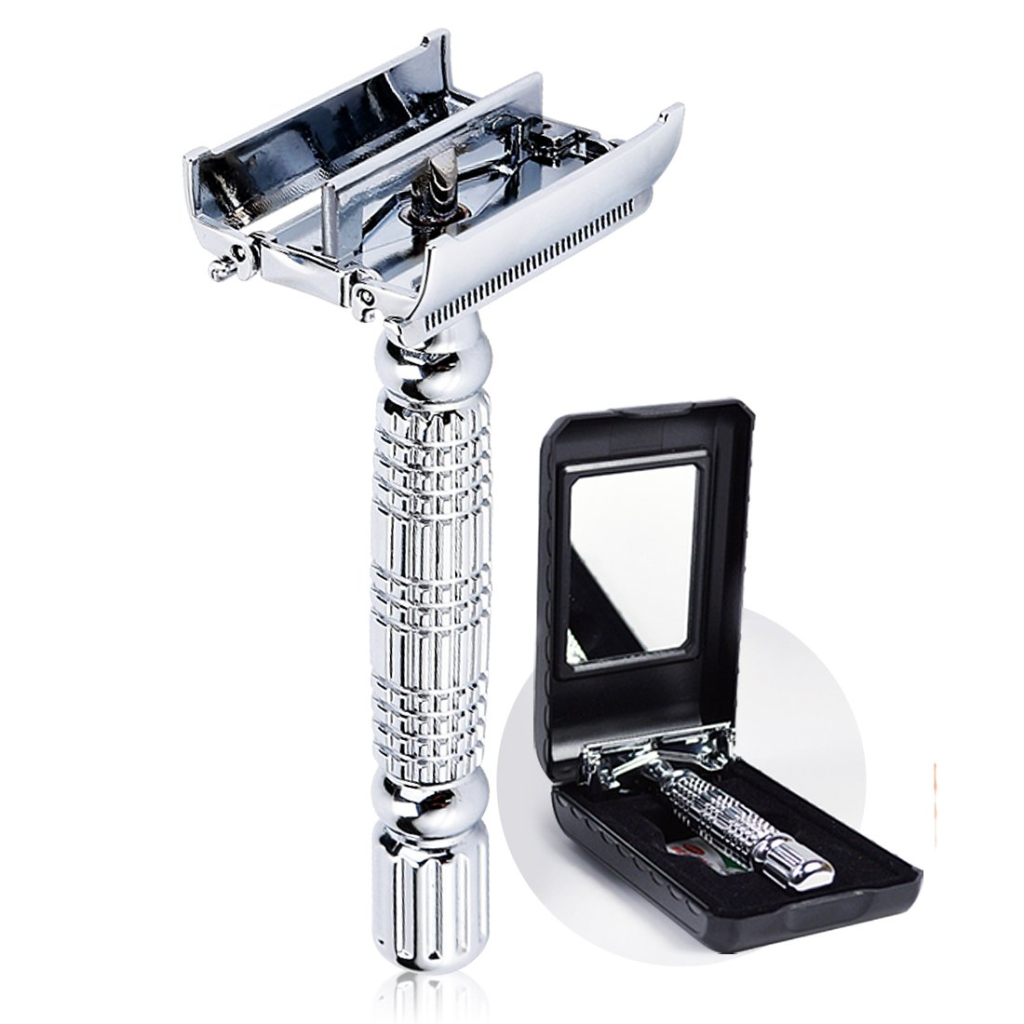
Every collection starts with one razor. The foundation razor should be mild, reliable, affordable, and teach you what you need to know about safety razor shaving without requiring a significant financial commitment.
Why the Foundation Matters
The foundation razor is where you develop technique. It is where you learn angle, pressure, grain direction, and lather quality. It is where you establish what a good shave feels like and what a bad one feels like. Everything you learn about safety razors on your foundation razor transfers directly to every subsequent razor in your collection.
A weak foundation razor, one with inconsistent blade alignment or poor build quality, makes technique development harder because you cannot isolate the variables. If the razor is producing variable results because of manufacturing inconsistency, you cannot tell whether your technique is the problem or the razor is.
A strong foundation razor gives you a consistent, forgiving platform where technique is the only variable. When shaves are good, you know your technique is good. When they are not, you know where to look.
Top Foundation Razor Choices
The best budget safety razors under $30 guide on this site covers these in full detail. The three most consistently recommended foundation razors are:
Parker 99R for under $20: butterfly opening, long handle, mild and forgiving. The lowest financial risk entry point with adequate build quality for technique development.
Merkur 34C for around $35 to $45: the most consistently recommended beginner razor regardless of price point. Better build quality and blade alignment than the Parker. Worth the additional investment if budget allows.
Merkur 23C for around $25: the long-handle variant for men who prefer more reach, women who plan to use the razor for leg shaving, or anyone who found the 34C too short.
What to Buy Alongside the Foundation Razor
A blade sampler pack is the only essential companion to the foundation razor. Do not buy a second razor until you know which blade suits your skin and hair. The blade discovery process belongs in stage two and the information it produces shapes every subsequent collection decision.
👉 Check Mid-Range Safety Razor Options on Amazon
Stage 2: Blade Discovery
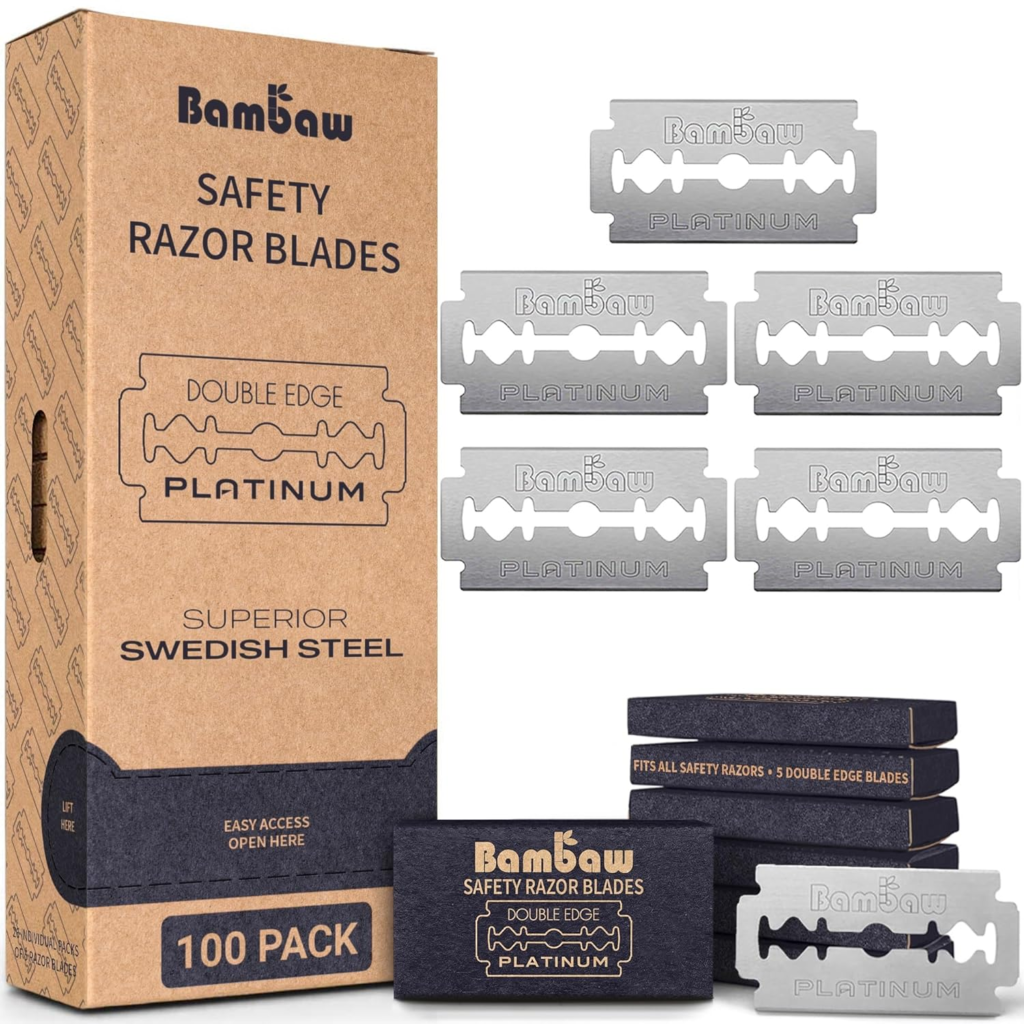
Blade sampling is the most important investment in the entire collection building process. It costs very little, takes four to six weeks, and produces information that determines which razors you will want next and why.
The Sampler Approach
Buy a sampler pack containing eight to twelve different blade brands. Use each blade for three consecutive shaves before moving on. Note the feel, smoothness, sharpness, and post-shave result for each brand on your specific skin and beard type.
After working through the sampler, you will know your preferred blade or blade type. This knowledge has direct implications for razor selection in subsequent stages because different razors perform differently with different blade brands. The best safety razor blades 2026 guide on this site covers the complete blade landscape for reference during this process.
Budget Impact of Blade Discovery
A quality sampler pack costs $10 to $20. This is the best $10 to $20 you will spend in the entire wet shaving hobby. The information it produces is worth multiples of its cost in avoided razor purchases based on incomplete information.
Using Blade Knowledge for Collection Building
Once you know your preferred blade characteristics, you can make more targeted razor purchases. A shaver who discovers they prefer sharp, smooth blades like Feather or Polsilver Super Iridium knows that their next razor can afford to be milder in geometry without sacrificing closeness, because the sharp blade compensates. A shaver who prefers medium-sharp blades like Astra knows they may benefit from a slightly more aggressive razor geometry to achieve the same closeness result.
This reasoning prevents unnecessary purchases and focuses collection building on razors that actually fill a genuine gap in your shave experience.
Stage 3: The Second Razor
The second razor is where collection building properly begins. By this stage, technique is developing, blade preference is established, and you have a clear picture of what your foundation razor does well and where its limitations are.
Identifying the Right Second Razor
The best second razor addresses a specific limitation of the foundation razor or fills a genuine need that the foundation cannot. Here are the most common scenarios.
The foundation razor is too mild for your beard type. If you have a medium-to-coarse beard and you are finding that even three passes with the Merkur 34C leaves a result that is not quite close enough, a mild-to-medium second razor fills this gap. The RazoRock Game Changer 0.84 is the top recommendation for this scenario at a mid-range price.
The foundation razor’s handle length does not suit a secondary shaving area. If your Parker 99R serves your face well but the handle is slightly short for head shaving, a Merkur 38C or Merkur 23C with a longer, heavier handle fills that gap without replacing the foundation razor.
You want to explore an adjustable razor. The Rockwell 6C is the chrome-plated version of the 6S and comes in slightly below the premium price threshold. For a second razor that provides adjustability without a premium investment, it is the most logical step up from a fixed mild razor.
You want to explore vintage. Vintage Gillette razors from the secondary market are an excellent second razor option for budget-conscious collectors. A vintage Gillette Tech or Super Speed in good condition can be found for $10 to $25 and shaves beautifully. Vintage collecting is covered in detail below.
Budget for Stage 3
Stage three razor purchases should stay in the $20 to $60 range for most budget-conscious collectors. Spending more on a second razor before technique is fully developed and preferences are clear is speculative spending that rarely delivers proportionate value.
👉 Check Safety Razor Blades Options on Amazon
Stage 4: Completing the System
Many collection builders focus entirely on razors and treat everything else as secondary. This is a mistake. The non-razor elements of a shaving system have significant impact on shave quality and are often dramatically underinvested relative to their contribution.
The Shaving Brush
A quality shaving brush transforms cream or soap from a product into an excellent lather. As covered in the safety razor starter kit guide on this site, a basic synthetic brush from brands like Stirling, Omega, or Edwin Jagger costs $15 to $30 and produces lather that is meaningfully better than fingers or canned foam.
Once the basic synthetic is working well and you want to explore further, a boar hair brush from Omega at $15 to $25 is a classic upgrade that delivers different lather character. A badger hair brush is the traditional premium option for the stage when the brushwork has become a meaningful part of the enjoyment.
The Shaving Soap Collection
Shaving soaps and creams are the most accessible and lowest-cost way to vary the daily shave experience within a budget. A quality puck soap from brands like Stirling Soap Company, Barrister and Mann, Mitchell’s Wool Fat, or Cella costs $10 to $20 and lasts months of daily use.
Building a small rotation of two to three soaps in different scent profiles adds meaningful variety to the daily routine at minimal cost. The soap rotation is where most wet shaving hobbyists find the most daily pleasure relative to the cost. A razor you have spent $150 on shaves the same way every day. A soap rotation delivers a different olfactory experience every morning for the cost of two or three modest soap purchases.
The Razor Stand
A quality stand for each razor in use costs $8 to $20 and serves both functional and aesthetic purposes. As covered in the safety razor maintenance guide on this site, proper upright storage is the single most effective habit for extending blade life and maintaining razor condition.
A matching stand and razor from the same brand creates the most cohesive aesthetic for a bathroom shelf display, which is part of the enjoyment of building a collection.
Stage 5: Selective Expansion Through the Secondary Market
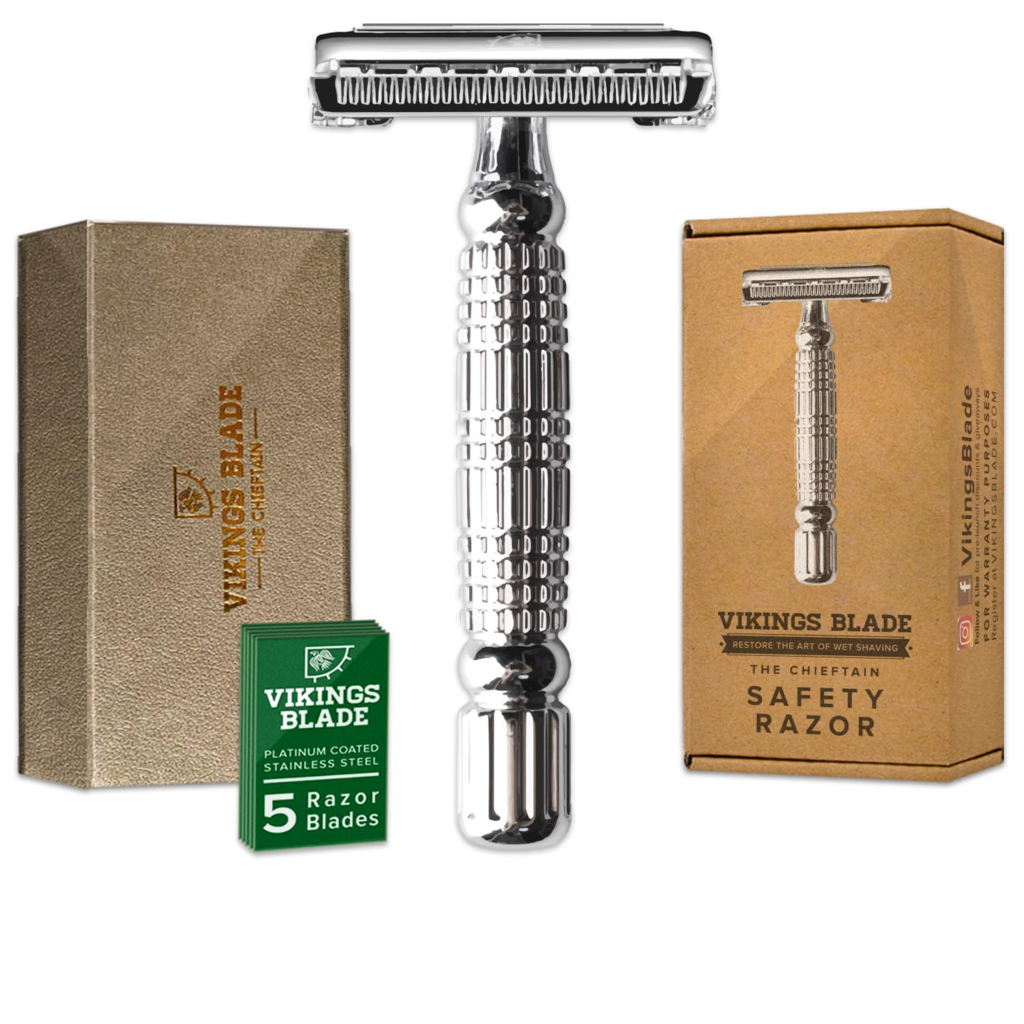
The secondary market is where budget collection building reaches its highest potential. Quality safety razors, both vintage and modern, are regularly available at significant discounts from their original prices through the wetshaving trading community.
Why the Secondary Market Offers Such Value
Safety razors do not wear out under normal use. A well-maintained stainless steel razor shaves as well used as new. A vintage Gillette razor from the 1960s that has been cleaned and checked for blade alignment delivers a shave indistinguishable from a new razor of equivalent geometry. The secondary market for safety razors is essentially a market for new-condition shaving tools at used-condition prices, because the goods do not meaningfully deteriorate.
This creates extraordinary value opportunities for patient buyers who know what they are looking for.
Vintage Gillette Razors: The Best Budget Secondary Market Value
Vintage Gillette razors are the most commonly recommended secondary market purchase for budget-conscious safety razor collectors. Gillette produced exceptional razors in the United States from the early 1900s through the late 1980s before moving production overseas. Many of these vintage razors shave as well as or better than comparably priced modern alternatives.
The vintage Gillette ecosystem is large, well-documented, and actively traded. Key models worth understanding:
Gillette Tech: a mild, three-piece razor produced from the 1930s through the 1980s in various configurations. Shaves smoothly and gently. Widely available for $5 to $20 in good condition. An excellent mild second or third razor for exploring vintage shaving.
Gillette Super Speed: produced from the late 1940s through the 1980s in several variants including Red Tip, Blue Tip, Flair Tip, and Black Handle. Each variant has slightly different aggressiveness characteristics that collectors have mapped thoroughly. Widely available for $10 to $30 in good condition.
Gillette Slim Adjustable: an adjustable razor from the 1960s with settings 1 through 9. Highly regarded for its versatility and smooth adjustment mechanism. Available for $20 to $60 depending on condition. One of the most sought-after vintage adjustables.
Gillette Fat Boy: the nickname for the Gillette 195 adjustable from 1958 to 1961. Shorter handle than the Slim, wider adjustment knob, excellent shave quality. Available for $30 to $80 depending on condition. A collectible piece that also delivers outstanding daily performance.
Gillette Black Beauty: the Super Adjustable from the late 1960s to 1980s. Similar concept to the Slim and Fat Boy with a longer handle. Available for $15 to $40. Highly regarded daily shaver.
How to Buy Vintage Razors Safely
Inspect the razor carefully before purchasing. Key things to assess are blade alignment, which should be even and centered; the condition of the chrome plating, which should have minimal pitting or active rust; the thread operation, which should be smooth without grinding or stiffness; and for adjustables, the adjustment mechanism, which should move smoothly through all settings without skipping or jamming.
For online purchases, request clear photos of the blade-loaded head from the front, the underside of the head, and the handle threads. Ask specifically whether the alignment is even. Reputable sellers in the wet shaving community are typically forthcoming with this information.
New to vintage condition assessment: buy from sellers with established community reputations before buying from unknown sources. Reddit’s r/Wet_Shavers trade forum has a reputation tracking system. Badger and Blade’s buy-sell-trade section has a similar system. Both are significantly safer than random eBay purchases without community reputation backing.
Cleaning Vintage Razors
A vintage razor purchased from the secondary market should be thoroughly cleaned before use regardless of its apparent condition. The full cleaning protocol from the safety razor maintenance guide on this site applies. For vintage razors, an ultrasonic cleaner is the most effective tool for deep cleaning without disassembly of vintage mechanisms. Inexpensive jewelry ultrasonic cleaners work well for this purpose.
After cleaning, test blade alignment with a fresh blade before shaving. Vintage razors that have been cleaned and verified for alignment shave as well as any comparable modern razor.
Modern Secondary Market Purchases
Premium modern razors are also available on the secondary market at meaningful discounts. A Karve Christopher Bradley that was used for six months by a shaver moving in a different direction is indistinguishable from a new one and may be available for 30 to 40 percent below retail price.
Watch the r/Wet_Shavers trading forum regularly for deals on specific razors you have identified as targets. Many premium razors appear regularly on the secondary market as collectors evolve their preferences. Patience is the primary requirement for finding good deals.
👉 Check Safety Razor Deals on Amazon
Stage 6: The Intentional Premium Upgrade
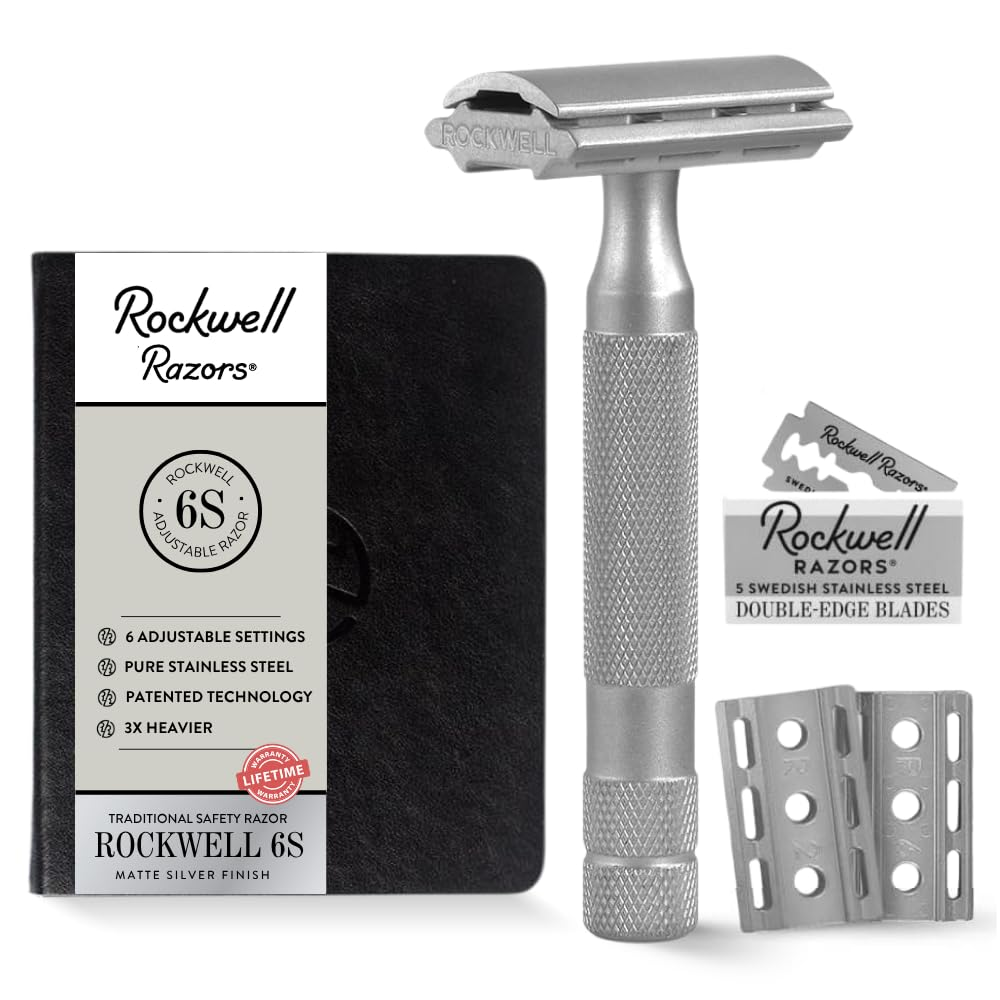
At some point in a collection building journey, the one-or-two premium piece upgrade becomes worth considering. This is not a beginner investment. It is a considered addition by a shaver who has developed real technique, knows their preferences precisely, and has identified a specific razor that fills a genuine gap in their collection experience.
When to Consider a Premium Upgrade
The signals that a premium upgrade is genuinely worthwhile rather than speculative:
Technique is consistently excellent. You are getting reliably smooth, comfortable two-pass shaves with minimal irritation and can diagnose and correct any technique issues independently.
You have used your current razors extensively enough to know their specific limitations. You are not guessing that a premium razor will be better. You understand precisely what characteristic you are looking for and have identified a specific razor that has it.
You have a clear use case. A premium razor for daily precision use, a premium adjustable for versatility, or a premium artisan piece for collecting value are all valid reasons. A premium razor purchased because it appeared in an impressive forum post is not.
Best Premium Upgrade Targets for Budget Collectors
For budget collectors making their first premium purchase, the Rockwell 6S at the lower end of the premium stainless steel segment is consistently the best starting point. As covered in the best stainless steel safety razors guide on this site, it combines genuine stainless steel quality, six-plate adjustability, and lifetime durability at a price that is significantly below the truly premium options.
The Feather AS-D2 is the right premium upgrade for shavers who know they want a fixed mild-to-medium daily driver at the highest precision level available. It is a once-and-done purchase that eliminates any subsequent razor acquisition in the mild category.
The Karve Christopher Bradley, available on the secondary market at meaningful discounts from retail, is the right premium upgrade for shavers who want configurable aggressiveness without the real-time adjustment mechanism of a Rex Ambassador.
Managing the Acquisition Impulse
The wet shaving hobby is specifically designed by its community culture to encourage acquisition. New soaps, new razors, new blades appear in forum posts with enthusiastic reviews daily. The temptation to add constantly is real and requires specific management strategies for budget-conscious collectors.
The Thirty-Day Rule
Before purchasing any non-essential addition to a collection, wait thirty days. Add it to a list with the date it was added. After thirty days, assess whether the desire to purchase has persisted. In the majority of cases, the initial impulse fades significantly within thirty days. In the cases where it persists, the desire is likely based on a genuine collection gap rather than a passing impulse.
The One-In-One-Out Rule
For budget-conscious collectors who find themselves accumulating more than can be meaningfully used, a one-in-one-out rule keeps the collection at a manageable size and forces prioritization. Before adding a new razor, identify which existing razor it will replace in the active rotation. If no razor is being meaningfully displaced, the new purchase may not be filling a genuine gap.
The Use-What-You-Have Period
Before any new razor purchase, commit to using your current collection exclusively for at least sixty consecutive days. This forces you to actually use what you have, develops deeper familiarity with each piece, and often reveals that the current collection is more satisfying than you realized. It also clarifies what specific gap the next purchase would actually fill.
Budget Collection Building: What a Great $150 Collection Looks Like
Here is a complete collection assembled for approximately $150 total that covers every meaningful shaving need for most daily shavers.
Foundation razor: Merkur 34C purchased new for approximately $40. Mild, reliable, excellent build quality for daily face shaving.
Second razor: Vintage Gillette Slim Adjustable purchased from the secondary market for approximately $30 in good condition. Provides adjustability from mild to aggressive across nine settings. Complements the fixed mild Merkur perfectly.
Third razor: Vintage Gillette Tech purchased from the secondary market for approximately $15. Ultra-mild option for skin recovery days, sensitive area use, or exploratory variety.
Blade supply: Astra Superior Platinum 100-blade pack for approximately $12. Full year of daily shaving supply at identified preferred blade.
Shaving soap: Two quality puck soaps from Stirling at approximately $15 each total. Two-soap rotation for daily variety.
Brush: Omega 10049 boar hair brush for approximately $12.
Stand: Matching chrome stand for approximately $8.
Alum block and aftershave balm: approximately $18 combined.
Total: approximately $150.
This collection delivers a genuinely excellent daily shave, a range of aggressiveness options from ultra-mild to noticeably aggressive through the Slim Adjustable, a vintage piece with real collectible character, and all the accessories needed for a complete wet shaving routine. It outperforms any cartridge razor setup and delivers meaningful variety across three razors.
AMAZON AFFILIATE DISCLAIMER
This post contains affiliate links. If you purchase through our links, we may earn a small commission at no extra cost to you.
Frequently Asked Questions
How many safety razors does a collection really need?
Two to three active razors covers every practical shaving need for most people. One mild razor for sensitive days or beginner technique, one mid-range razor for regular use, and one adjustable or more aggressive razor for longer growth or variety. Beyond three active razors, collection expansion is about enjoyment of the hobby rather than practical need.
Is it worth buying vintage safety razors?
Vintage Gillette razors in particular offer exceptional value on the secondary market. A vintage Gillette Tech or Super Speed in good condition costs $10 to $25 and shaves as well as many modern razors at multiples the price. For budget-conscious collectors, vintage buying is the highest-value expansion strategy available.
Where is the best place to buy used safety razors?
Reddit’s r/Wet_Shavers BST (buy-sell-trade) forum and Badger and Blade’s BST section are the most trusted platforms for secondary market safety razor purchases. Both have established reputation systems that provide meaningful buyer protection. eBay is also a source but lacks the community reputation infrastructure.
How do I know if a vintage razor is worth buying?
The key checks are blade alignment, chrome condition, thread smoothness, and adjustment mechanism operation for adjustable models. Request specific photos from sellers. Buy from sellers with established community reputation initially. A vintage razor that passes these checks shaves as well as a comparable new razor.
How much should I spend on my first safety razor?
The sweet spot for a first razor is $20 to $45. The Parker 99R at under $20 is the minimum recommended investment for adequate build quality. The Merkur 34C at $35 to $45 is the better investment for those who can stretch the budget. As covered in the best budget safety razors under $30 and best double edge safety razors for beginners guides on this site, spending less than $20 risks compromising on blade alignment consistency.
What is the best safety razor collection for a total budget of $100?
Foundation razor: Parker 99R at $18. Blade sampler: $12. Vintage Gillette Tech from secondary market: $15. Shaving soap puck: $12. Synthetic shaving brush: $15. Alum block: $8. Aftershave balm: $10. Stand: $8. Total: approximately $98. This covers every practical need with quality at each price point.
Should I buy expensive razors early in my collection?
No. Technique is the dominant variable in shave quality during the first six to twelve months of safety razor use. Expensive razors do not improve developing technique. They add financial pressure to the learning process and their quality advantages are not accessible to a shaver who cannot yet maintain consistent angle and pressure. Build technique first on a quality budget razor. Then make informed upgrade decisions based on experience.