One of the most common questions electric shaver owners ask, usually after noticing their shave quality has quietly declined over several months, is how long their shaver should actually last. The honest answer is more nuanced than most sources admit. A premium electric shaver maintained properly can deliver excellent performance for five to seven years. The same shaver neglected can feel worn out in eighteen months. A budget shaver kept clean and with timely blade replacements can outlast an expensive model that never gets cleaned.
This guide covers everything you need to know about electric shaver lifespan, the real numbers by brand and tier, the signs that tell you something needs replacing, when to replace blades versus the whole unit, and how maintenance determines whether your shaver lasts two years or seven.
Average Electric Shaver Lifespan by Type and Tier
The lifespan of an electric shaver depends heavily on three factors: build quality (which correlates strongly with price tier), maintenance consistency, and shaving frequency. Here are realistic average lifespans across the main categories.
| Shaver Type / Tier | Average Lifespan | With Excellent Maintenance | With Poor Maintenance |
| Budget Foil (under $50) | 2 to 3 years | Up to 4 years | 12 to 18 months |
| Budget Rotary (under $50) | 2 to 3 years | Up to 4 years | 12 to 18 months |
| Mid-Range Foil ($50 to $150) | 3 to 5 years | Up to 6 years | 2 to 3 years |
| Mid-Range Rotary ($50 to $150) | 3 to 5 years | Up to 6 years | 2 to 3 years |
| Premium Foil ($150 and above) | 5 to 7 years | Up to 10 years | 3 to 4 years |
| Premium Rotary ($150 and above) | 5 to 7 years | Up to 8 years | 3 to 4 years |
These figures assume the shaver is used four to five times per week on typical stubble. Daily shavers on coarse beards should expect the lower end of each range. Occasional shavers who maintain their shaver well can expect the upper end.
How Long Do Electric Shavers Last by Brand?
Brand engineering philosophy and component quality directly affect how long a shaver holds its performance. Here is what real-world experience tells us about the major brands.
Braun
Braun shavers consistently rank among the longest-lasting electric shavers available. Premium Braun Series 7 and Series 9 models regularly reach six to eight years in the hands of users who maintain them properly. The Clean and Charge Station included with many Braun bundles is a significant factor automated cleaning and lubrication keeps the cutting system performing at its best without any user discipline required.
Braun’s foil and blade cassette replacement system is one of the most straightforward on the market, a single combined cassette replacement every 12 to 18 months keeps the cutting performance close to new throughout the shaver’s life.
Panasonic
Panasonic Arc5 models are exceptionally durable. The linear motor technology used in Arc5 shavers is engineered to tighter manufacturing tolerances than standard oscillating motors, resulting in less mechanical wear over time. Arc5 users regularly report full performance at five years with no notable degradation when cleaning and lubrication schedules are followed.
Panasonic’s nano-polished blades also retain their edge longer between replacements than standard stainless blades, a meaningful contribution to both shave quality consistency and long-term cost.
Philips Norelco
Philips Norelco rotary shavers are built for longevity. The rotary head system has fewer high-wear components than foil systems, the spinning heads operate at lower mechanical stress than oscillating foil blades. Premium Norelco models (7500, 9000 Prestige) routinely reach five to six years of strong performance.
Philips’ self-sharpening blade technology on mid-range and premium rotary models extends blade life between replacements, contributing to lower ongoing maintenance costs compared to Braun equivalents.
Remington
Remington shavers are well-built for their price tier but have shorter average lifespans than Braun, Panasonic, or Philips at equivalent price points. Budget Remington models (F5-5800, F9 Hyperflex) typically last two to three years with consistent maintenance. Remington’s higher-end models improve on this but remain behind the top three brands in long-term durability.
Signs Your Electric Shaver Needs Replacing
Knowing when to replace a shaver rather than continuing to use one that is past its best, saves daily frustration and prevents unnecessary skin irritation. These are the clear signals that something needs attention.
Signs That Blades Need Replacing (Not the Whole Shaver)
The shave feels less close than it used to. If the same number of passes delivers a noticeably shorter result than six months ago, the blades have dulled. A fresh cassette almost always restores closeness immediately.
The shaver is tugging or pulling. Tugging is the clearest indicator of blade wear. Sharp blades sever hair cleanly. Dull blades bend hair before cutting, the bending is what creates the tugging sensation against the skin.
You need more passes over the same areas. If areas that used to require one pass now require three, the cutting efficiency has dropped. This is blade wear, not motor deterioration.
Post-shave irritation has increased noticeably. Worn blades create more friction per stroke, leading to escalating skin irritation even if your technique has not changed. Replacing blades often resolves what feels like a skin problem.
The shaver sounds different. A subtle increase in pitch or a slightly labored motor sound during shaving can indicate blades that are creating more resistance than they should.
Signs the Whole Shaver Needs Replacing
Battery life has dropped significantly. All rechargeable batteries degrade over charge cycles. When a shaver that previously ran 60 minutes now runs 20 to 25 minutes on a full charge, the battery is at end of life. Battery replacement is possible on some premium models but often costs more than a mid-range replacement shaver.
The motor sounds significantly different grinding, rattling, or inconsistent. Motor degradation is a whole-unit issue. A grinding sound after cleaning indicates internal mechanical wear rather than blade or foil problems.
The foil screen is damaged or perforated. Physical damage to the foil visible holes, tears, or deformations means the foil cannot be safely used and needs immediate replacement. If the foil cassette has already been recently replaced and damage recurs quickly, the inner blade block may be misaligned and the whole unit may need replacement.
Replacement parts are no longer available. Manufacturers discontinue replacement cassettes for older models. Once you cannot source genuine replacement foils and blades for your model, the shaver has reached practical end of life regardless of how the motor performs.
The shaver is more than seven years old. Even a well-maintained premium shaver accumulates motor wear, battery degradation, and plastic fatigue over seven or more years. At this point, the economics of parts replacement rarely justify the cost compared to a new mid-range model.
When to Replace Blades vs the Whole Shaver
This is the most practical decision most shaver owners face — and the answer depends on the shaver’s age and the nature of the performance decline.
Replace Blades When:
- The shaver is less than five years old
- Performance decline is gradual rather than sudden
- The motor sounds normal
- Battery life is still adequate
- The shave feels less close or tugging has started
- It has been 12 to 18 months since the last blade replacement
Replace the Whole Shaver When:
- Battery life has dropped to less than 40 percent of original rated runtime
- The motor sounds different grinding, rattling, or strained
- The shaver is more than six years old and declining in multiple ways simultaneously
- Replacement cassettes for your model are discontinued or difficult to source
- The cost of a replacement cassette exceeds 40 to 50 percent of a comparable new shaver’s price
The practical rule: if the shaver is under five years old and the motor and battery are sound, replace the blades first and reassess. A fresh cassette resolves the problem in most cases. For a complete guide to the replacement process itself, our guide on how to clean and maintain your electric shaver covers blade replacement step by step.
Electric Shaver Blade Replacement Schedule
Following a consistent replacement schedule is simpler and more reliable than waiting for performance to decline by the time you notice the decline, blades have typically been past their optimal performance for several months.
| User Type | Replacement Frequency |
| Daily shaver, fine to medium beard | Every 18 months |
| Daily shaver, coarse or thick beard | Every 12 months |
| Every-other-day shaver, normal beard | Every 18 months |
| Infrequent shaver (2 to 3 times per week) | Every 24 months |
| Daily shaver, sensitive skin | Every 12 months |
Always replace sooner if:
- Tugging starts before the scheduled replacement date
- Post-shave irritation increases without other explanation
- The shave closeness has noticeably declined
Manufacturer recommendations by brand:
- Braun: Replace foil and blade cassette every 18 months
- Panasonic: Replace inner blade and outer foil every 12 months
- Philips Norelco: Replace rotary head assembly every 12 months
Note that Panasonic and Philips recommend 12-month replacement while Braun suggests 18 months. In practice, coarse beard users should follow the 12-month guideline regardless of brand, and sensitive skin users benefit from erring toward the shorter replacement cycle.
How Maintenance Affects Shaver Lifespan
Maintenance is the single biggest variable in electric shaver lifespan more significant than brand or price tier in many cases. A mid-range shaver maintained rigorously outperforms and outlasts a premium shaver that is never cleaned.
Cleaning Frequency
Daily cleaning removes the hair debris and skin oils that act as abrasives against blade edges during subsequent shaving sessions. A shaver cleaned after every use retains its blade sharpness meaningfully longer than one cleaned weekly. The cumulative effect over 12 months is the difference between blades that still feel sharp and blades that have been progressively dulled by their own trapped debris.
Lubrication
Regular lubrication, once per week, one drop of shaver oil reduces the mechanical friction between the blade edges and foil screen during every shaving session. Lower friction means lower blade wear, lower motor heat, and longer motor life. Skipping lubrication for extended periods is one of the most common causes of premature motor wear in electric shavers.
Auto-Cleaning Stations
Shavers used with auto-cleaning stations consistently show better long-term performance than manually cleaned equivalents in the same model line. The cleaning fluid used in auto-stations lubricates simultaneously with cleaning, ensuring the shaver is never run dry between sessions.
Storage
Storing a shaver in a humid bathroom environment without a protective cap accelerates moisture corrosion of the foil screen and blade edges. Using the travel cap or storing in a dry drawer between uses extends foil life noticeably.
How to Make Your Electric Shaver Last Longer
These habits have the most direct impact on extending shaver lifespan beyond its average expectation.
Clean after every use without exception. A 30-second rinse or brush clean after every shave prevents the debris accumulation that accelerates blade and motor wear. This single habit has the largest impact on long-term performance of any maintenance action.
Lubricate weekly. One drop of dedicated shaver oil on the foil or rotary heads once per week keeps the cutting system running at optimal friction levels. The cost is negligible, a small bottle of shaver oil lasts years.
Replace blades on schedule, not when you notice the problem. Proactive blade replacement at 12 or 18 months maintains consistent shave quality and prevents the compounding wear that occurs when dull blades are used past their effective life. Our guide on how to clean and maintain your electric shaver walks through the full replacement process.
Use the right charging habits. Most modern electric shavers use lithium-ion batteries that perform best when not allowed to fully discharge before recharging. Charging after each use or when battery drops to 20 to 30 percent extends battery cell life more than running the shaver to complete discharge before charging.
Avoid excessive pressure during shaving. Pressing hard does not improve shave closeness, it accelerates foil wear and creates additional motor load. Light, consistent pressure extends foil life while delivering equivalent shave results.
Use genuine manufacturer replacement cassettes. Third-party replacement foils and blades are manufactured to less precise tolerances and often made of lower-grade blade steel. They wear faster and can damage the inner blade block of premium shavers over time. Genuine cassettes maintain the manufacturing relationship between the inner blade and outer foil that the shaver was designed around.
Best Long-Lasting Electric Shavers
These models combine the build quality, maintenance system support, and parts availability that make them the best long-term investments in the electric shaver market. For full reviews, see our guides on the best electric shavers for men and best premium electric shavers.
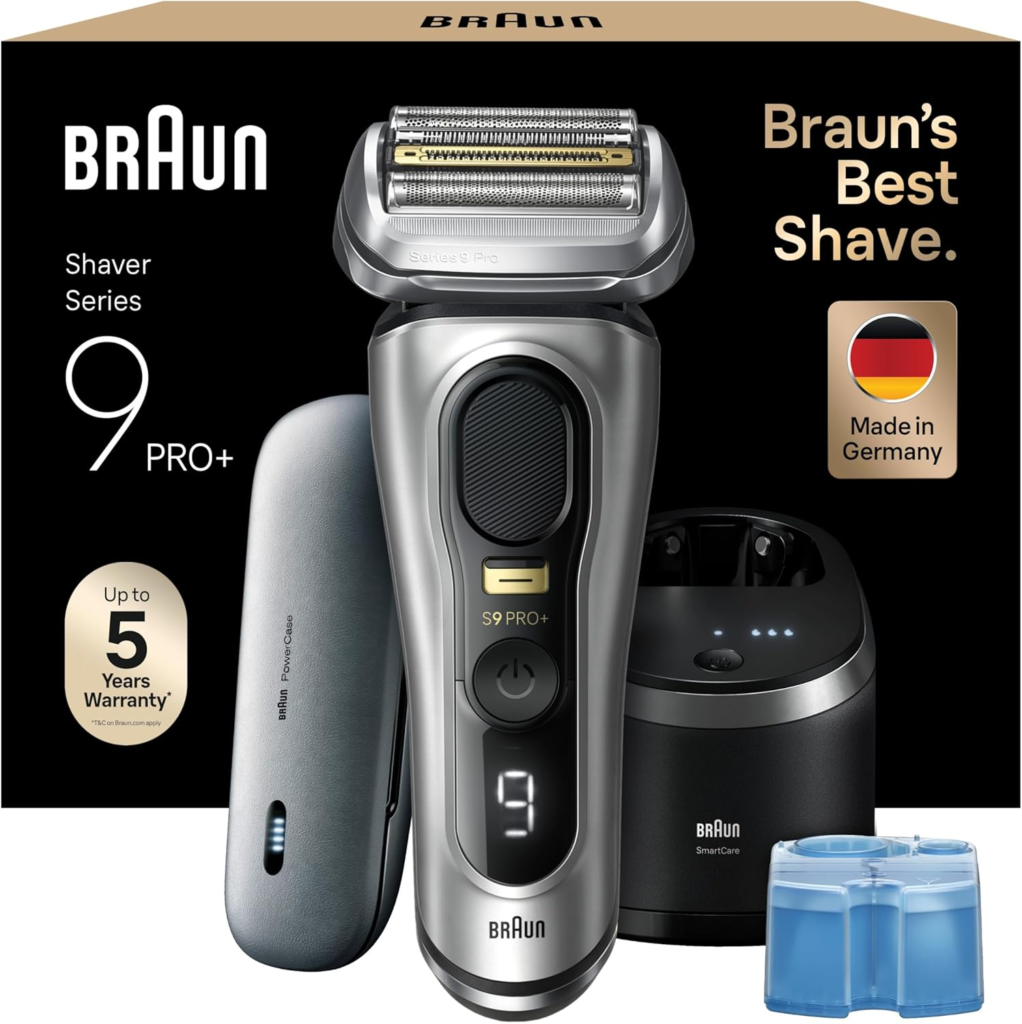
Braun Series 9 Pro+
Key Specs:
- 5-sync cutting elements with HyperGlide foil
- Clean and Charge Station for automated maintenance
- IPX7 waterproof
- 60-minute battery with 5-minute quick charge
- Replacement cassettes widely available
Pros:
- Clean and Charge Station ensures consistent automated maintenance that directly extends shaver and blade life
- HyperGlide foil is more durable than standard foil formulations, longer intervals before foil damage on normal use
- Braun’s parts ecosystem is one of the most stable in the industry, replacement cassettes will remain available for years
Cons:
- Highest upfront cost on this list
- Replacement cassettes are among the most expensive at $40 to $60
Best For: Men who want the longest-lasting premium foil shaver with the most comprehensive maintenance system support.
👉 Check Latest Price on Amazon
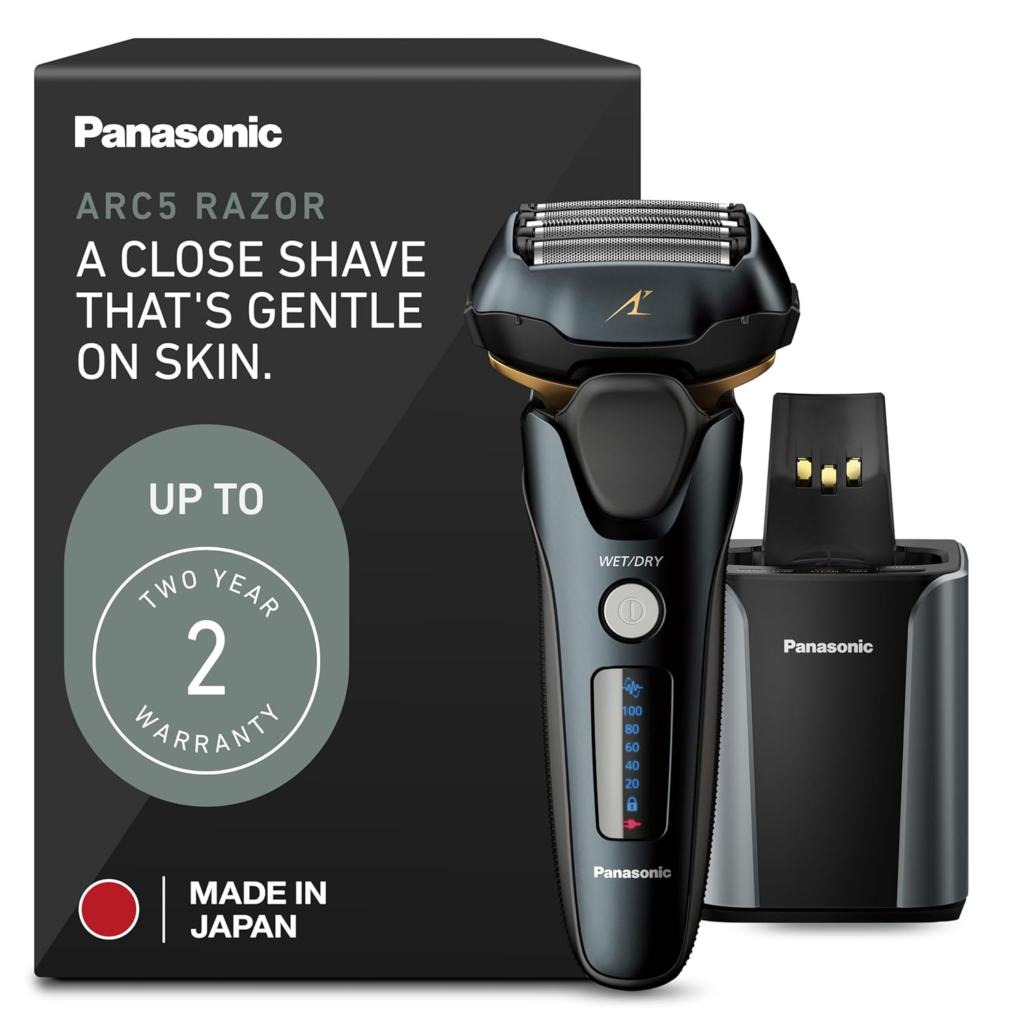
Panasonic Arc5 ES-LV97
Key Specs:
- 5-blade nano-polished system
- 14,000 CPM linear motor engineered for longevity
- Automatic cleaning system
- IPX7 waterproof
- Nano-polished blades retain edge longer between replacements
Pros:
- Linear motor technology produces less mechanical wear per shaving cycle than oscillating motors directly contributing to longer motor lifespan
- Nano-polished blades maintain their cutting edge longer between replacement cycles than standard blades
- Panasonic’s replacement parts availability for Arc5 models is consistently strong
Cons:
- Bulkier than Braun equivalents
- Cleaning station is loud
Best For: Men who want the longest-lasting motor technology in an electric shaver, particularly those with coarse beards that put higher mechanical demands on the cutting system.
👉 Check Latest Price on Amazon
Braun Series 7 71-N7200cc
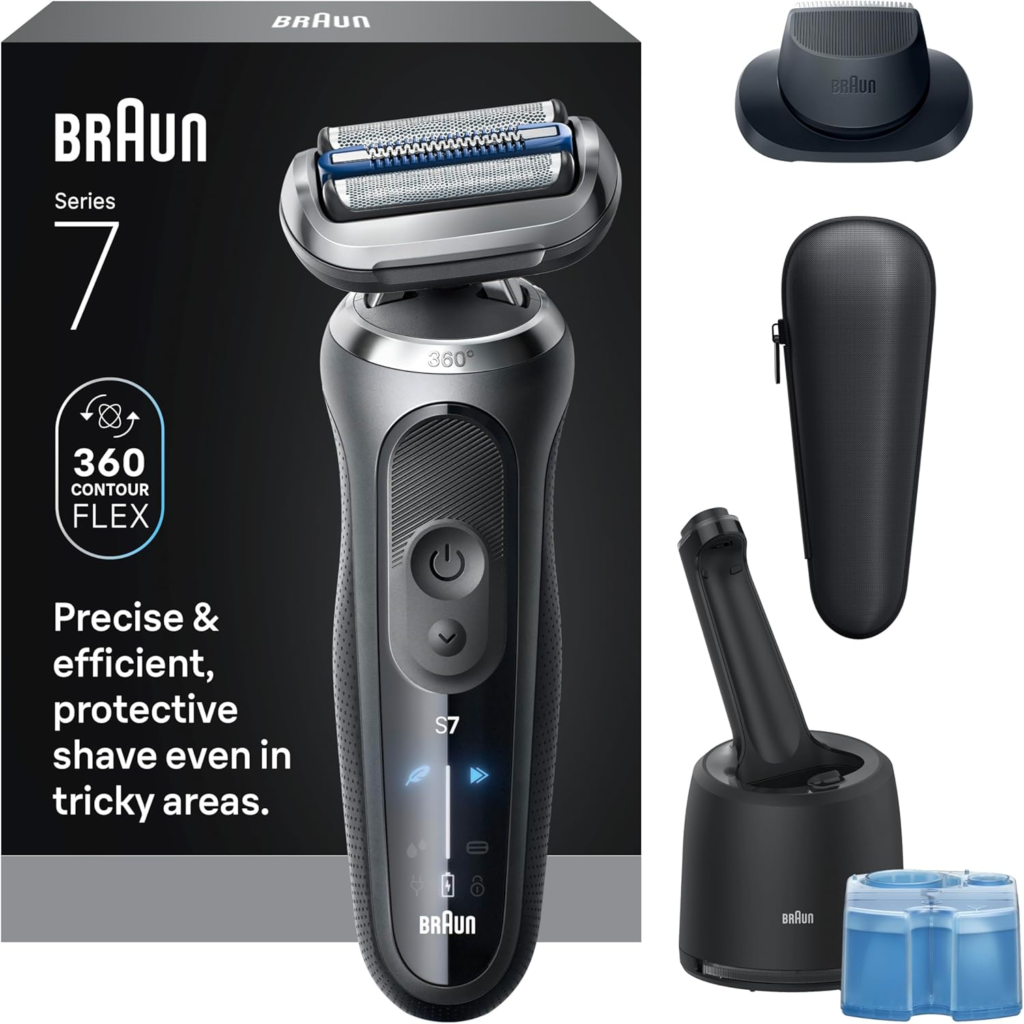
Key Specs:
- 4+1 cutting elements with AutoSense
- Clean and Charge Station included
- IPX7 waterproof
- 50-minute battery
- Wide replacement parts availability
Pros:
- AutoSense motor adapts power to beard density, reducing unnecessary motor load on lighter beard zones and extending motor life over time
- Clean and Charge Station provides the same automated maintenance benefits as the Series 9 at a lower price point
- Mid-range price with premium-adjacent lifespan when maintained properly
Cons:
- One fewer cutting element than Series 9
- Battery life slightly shorter than Series 9
Best For: Men who want a long-lasting mid-range foil shaver with automated maintenance and strong replacement parts availability.
👉 Check Latest Price on Amazon
Philips Norelco 9000 Prestige
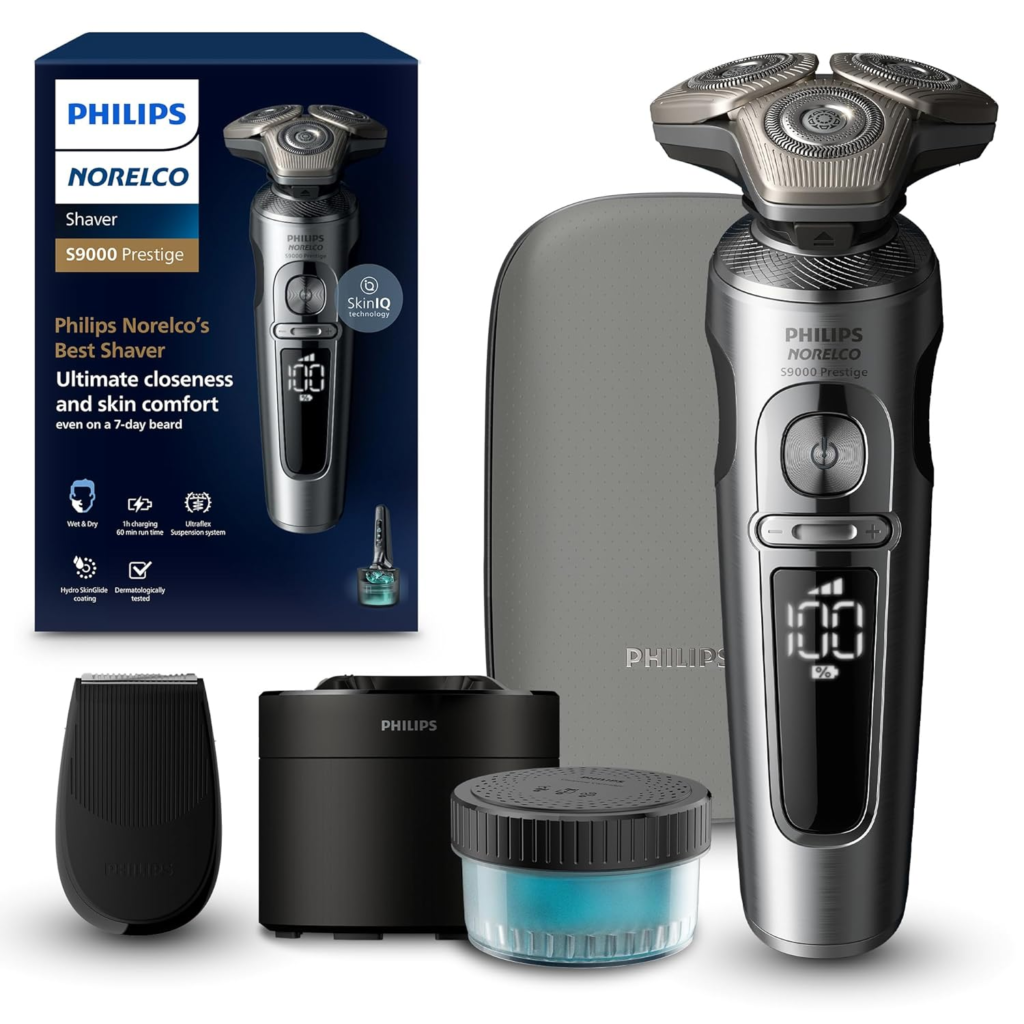
Key Specs:
- 3 V-Track rotary heads
- BeardAdapt sensor
- USB-C charging
- IPX7 waterproof
- Self-sharpening blade technology
Pros:
- Self-sharpening blade technology extends the time between required head replacements, meaningful long-term cost saving over models without this feature
- Rotary head system has fewer high-wear components than foil systems, lower mechanical stress per shaving cycle
- USB-C charging means no proprietary charging cable to lose or break
Cons:
- SmartClean station sold separately
- Premium price for rotary technology
Best For: Men who want the longest-lasting premium rotary shaver, particularly those whose shaving frequency and beard type allows rotary head self-sharpening to deliver its full benefit.
👉 Check Latest Price on Amazon
When to Upgrade vs When to Repair
Making the right call between repairing a current shaver and upgrading to a new one comes down to a simple cost-benefit calculation.
Repair or replace parts when:
- The shaver is under five years old
- Only the blade cassette needs replacing ($20 to $60)
- The motor and battery are performing normally
- Replacement parts are readily available and reasonably priced
Upgrade to a new shaver when:
- The shaver is over six years old with declining performance across multiple metrics
- Battery replacement cost exceeds $30 to $40 (often approaching the cost of a new mid-range shaver)
- Replacement cassettes are discontinued or priced at more than 50 percent of a comparable new shaver
- You are experiencing skin irritation that a new blade cassette has not resolved, this may indicate foil damage or motor inconsistency rather than simple blade wear
- Technology has advanced significantly since your current model was purchased, if your shaver is seven or more years old, modern mid-range models may outperform it even when new parts are installed
👉 If your shaver is approaching retirement, now is the time to compare replacement options before performance declines further. Check current prices on our recommended models on Amazon, upgrading at the right time means never living with a substandard shave.
Who This Guide Is For
This replacement guide is most useful for:
Men whose shave quality has declined and are unsure whether to replace blades, buy a new shaver, or simply accept the deterioration as normal aging.
Men approaching the 12 or 18-month blade replacement mark who want confirmation that proactive replacement is worth the cost before noticeable performance decline sets in.
Men evaluating whether a premium shaver justifies its cost based on long-term lifespan compared to replacing budget models more frequently.
Men troubleshooting specific shaver problems tugging, reduced closeness, increased irritation who need to identify whether the cause is blade wear, foil damage, or motor decline.
Conclusion
Electric shavers last anywhere from two years to over seven, the range is entirely determined by build quality, shaving frequency, and maintenance discipline. Premium shavers from Braun, Panasonic, and Philips Norelco, maintained with regular cleaning, weekly lubrication, and on-schedule blade replacement, consistently deliver strong performance for five to seven years. The same shavers neglected deliver two to three years of declining results.
The practical takeaway is simple: replace blades at 12 to 18 months without waiting for performance to decline, clean after every use, lubricate weekly, and your shaver will outlast most people’s expectations by years. When the motor or battery eventually fails, use the opportunity to upgrade rather than repair, modern mid-range shavers outperform the premium models of five years ago.
For help choosing a replacement shaver at any budget, our complete guide to the best electric shavers for men covers every price tier with honest performance comparisons, and our electric shaver buying guide walks through every feature worth evaluating before you invest.
👉 Ready to replace or upgrade? Browse our top-rated shavers on Amazon and check current prices before you decide.
AMAZON AFFILIATE DISCLAIMER
This post contains affiliate links. If you purchase through our links, we may earn a small commission at no extra cost to you.
FAQs
Q1: How long should an electric shaver last?
A premium electric shaver maintained properly lasts five to seven years. Mid-range models average three to five years. Budget shavers typically last two to three years. The actual lifespan in all cases is heavily influenced by cleaning frequency, lubrication consistency, and timely blade replacement, poor maintenance can cut any shaver’s life in half.
Q2: How often should I replace electric shaver blades?
Every 12 to 18 months depending on shaving frequency and beard type. Daily shavers with coarse beards should replace at 12 months. Occasional shavers with fine hair can stretch to 18 to 24 months. Always replace sooner if tugging, reduced closeness, or increased skin irritation appears before the scheduled date.
Q3: How do I know when my electric shaver needs replacing?
Key signs include: tugging or pulling during shaving, noticeably reduced closeness, needing more passes for the same result, increased post-shave irritation, significantly shorter battery life, or unusual motor sounds. Blade-related signs (tugging, closeness) are resolved by cassette replacement. Battery and motor signs indicate the whole unit needs replacing.
Q4: Is it worth replacing the blades on an old electric shaver?
It depends on the shaver’s age and condition. If the shaver is under five years old with a healthy motor and adequate battery life, replacing the blade cassette almost always restores performance to near-new levels and is worth the cost. If the shaver is over six years old with battery degradation or motor issues, replacement of the whole unit makes more financial sense.
Q5: How long do Braun electric shavers last?
Braun Series 7 and Series 9 shavers regularly last six to eight years with proper maintenance. Braun’s Clean and Charge Station automates cleaning and lubrication, which directly contributes to longer motor and blade life. Braun’s replacement cassette ecosystem ensures parts availability throughout the shaver’s useful lifespan.
Q6: How long do Panasonic Arc5 shavers last?
Panasonic Arc5 shavers are among the most durable electric shavers available. The linear motor technology produces less mechanical wear per cycle than oscillating motors, and nano-polished blades maintain their edge longer between replacements. Arc5 users regularly report full performance at five years with consistent maintenance. Well-maintained Arc5 models can reach seven or more years of strong performance.
Q7: Does using an electric shaver in the shower reduce its lifespan?
Not if the shaver is rated IPX7 waterproof or higher and is allowed to dry fully between uses. The key risk is trapped moisture, if a waterproof shaver is reassembled while wet and stored in a humid environment without drying, moisture accelerates corrosion of the internal components. Allow the shaver to air dry fully after every wet use before reassembling and storing.
Q8: Can I replace the battery in my electric shaver?
On some premium models, yes but it varies significantly by manufacturer and model. Braun and Panasonic offer battery replacement services for some models through their service centers. However, the cost of professional battery replacement often approaches or exceeds the cost of a comparable new mid-range shaver. Check the replacement cost against current shaver prices before committing to a battery service.